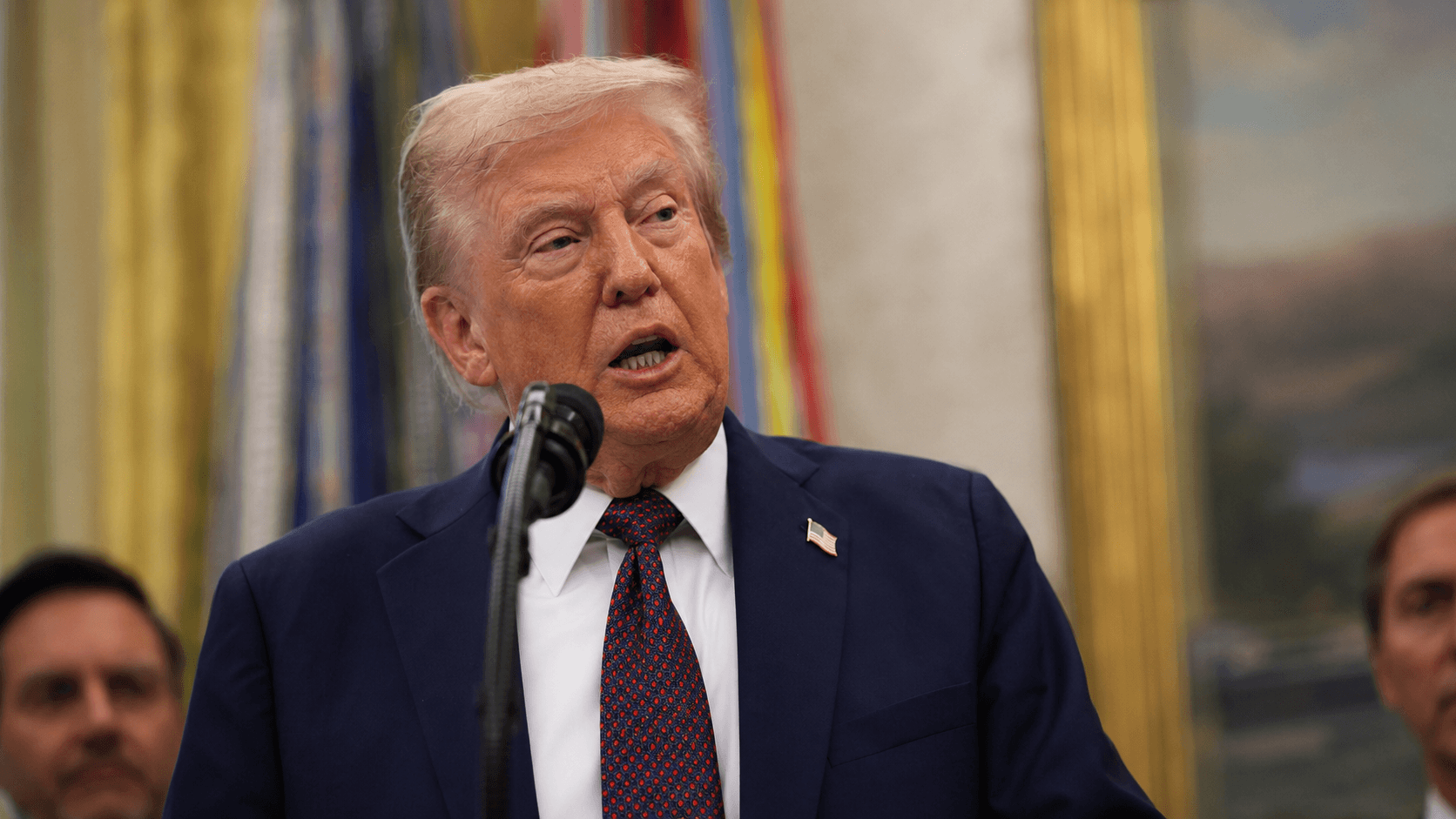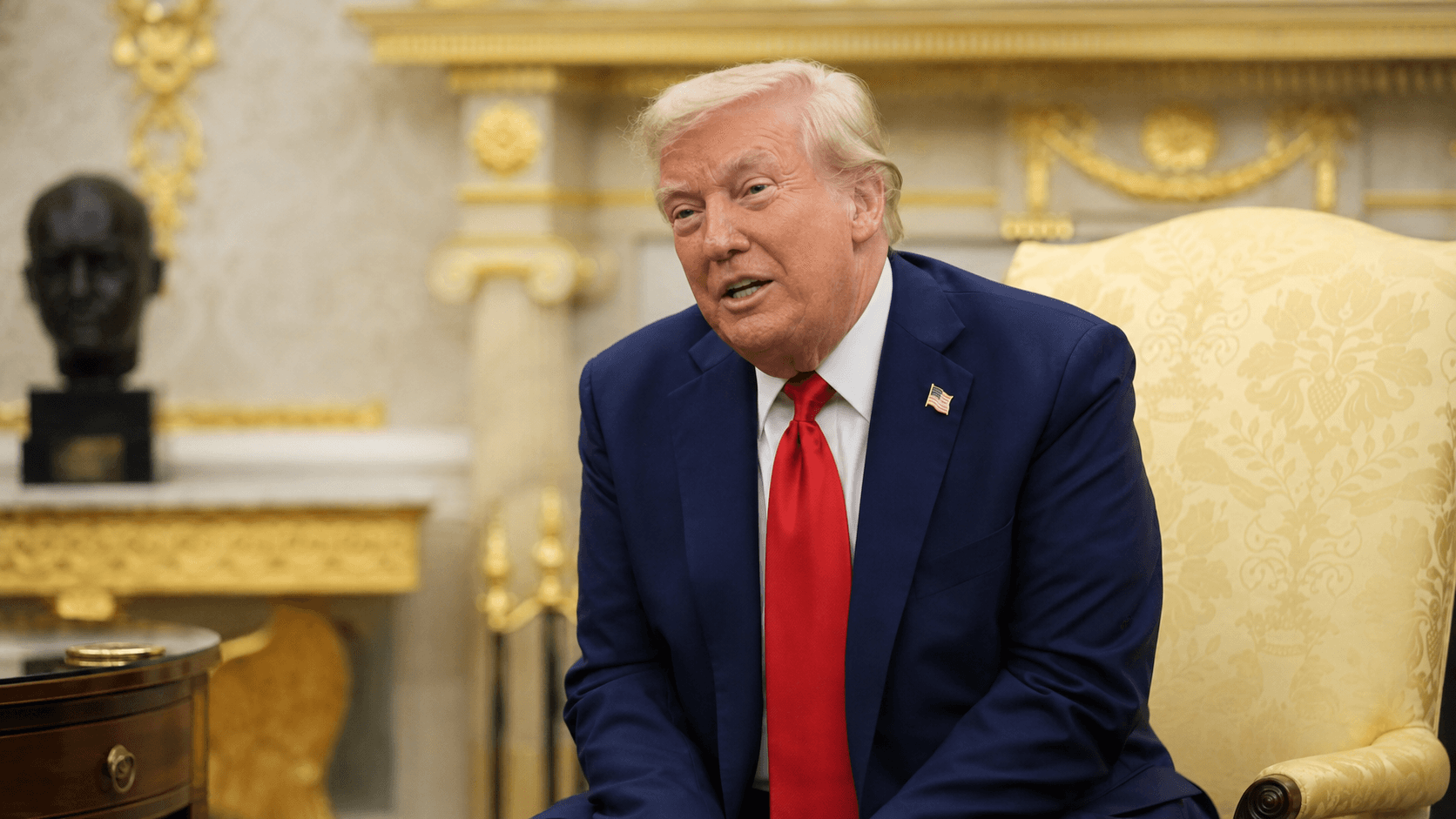
Moonshot's release of Kimi, a free open-source model that rivals paid frontier systems from OpenAI and Anthropic, has fractured President Donald Trump's AI advisors into open warfare. Over the weekend of July 19, 2026, current and former officials traded public insults over what the US should do about a Chinese model that is nearly as capable as the commercial alternatives and costs nothing to run. David Sacks, Trump's AI and crypto czar until March 2026, called Anthropic's models 'lobotomized' and 'woke.' Emil Michael, a top Pentagon official, called OpenAI's new head of strategic futures a 'supreme village idiot.'
The economics are the core of the fight. Every time a capable free model like Kimi ships from China, US enterprise buyers see less reason to pay Anthropic or OpenAI for API access. Enthusiasm for those two companies has been driving an outsized share of recent US economic growth, which makes a free competitor a market problem and a political one at the same time. Chinese releases have already rattled US stocks on prior occasions.
Anton Leicht, a fellow at the Carnegie Endowment, framed the stakes on X. Kimi is 'a threat for an administration that really doesn't want more economic bad news,' he wrote. The timing sharpens the point: New York imposed the country's first state-level ban on new data centers just a week before the Kimi release, so the domestic AI buildout is already under political pressure at the same moment the foreign competition is heating up.
Key facts
- 01Moonshot released Kimi last week as a free, open-source model that appears to rival paid frontier models from OpenAI and [Anthropic](/claude).
- 02David Sacks, Trump's AI czar until March 2026, called Anthropic's models 'lobotomized' and 'woke' on July 19, 2026.
- 03Pentagon official Emil Michael called OpenAI's new head of strategic futures a 'supreme village idiot' in the same weekend exchange.
- 04In April 2026, the Trump administration announced efforts to curb distillation, the practice OpenAI and Anthropic blame for Chinese model gains.
- 05New York imposed the first state ban on new data centers a week before the Kimi release, adding domestic pressure to the fight.
Sacks used the moment to attack the incumbent labs directly. On July 19, he said top AI companies 'want the government to eliminate their open source competition,' and argued Chinese models have gained ground in part because they ship with fewer usage restrictions than US models — setting aside the built-in state censorship that comes with them.
“want the government to eliminate their open source competition”— David Sacks, Former Trump AI and crypto czar
Sacks no longer has a formal role advising Trump, and his open-AI-is-better stance has largely been displaced inside the administration. The dominant view now is that frontier models have gotten powerful enough to pose national security risks, and that the government therefore needs to control how they are released. That thinking is behind a new White House review process meant to vet AI models before they ship.
Dean Ball, a former Trump AI advisor who now works for OpenAI, criticized the review process over the weekend as 'a de facto licensing regime for frontier AI.' Ball also predicted Trump may lean on soft power to solve the Chinese open-source problem — making US companies nervous about deploying models like Kimi rather than banning them outright.
“a threat for an administration that really doesn't want more economic bad news”— Anton Leicht, Fellow at the Carnegie Endowment
That prediction is what drew Michael's 'village idiot' line. Michael, who together with Secretary of Defense Pete Hegseth has been the Pentagon's main liaison with AI companies, objected to the suggestion that the administration would strong-arm companies quietly. He said policy should run through 'the democratic process not some Deep State scheme.'
Left mostly out of the weekend's shouting match is how Kimi got this good in the first place. Through the Biden administration and into Trump's second term, keeping advanced chips out of China was a stated priority. Those export controls have loosened. Trump made the decision to allow Nvidia to sell more chips to China in exchange for the US government taking a cut of the revenue, and the government has separately alleged that chip smuggling has occurred.
“the democratic process not some Deep State scheme”— Emil Michael, Pentagon official
China still runs on constrained compute relative to US labs, and it is not public what hardware Moonshot used to train Kimi. Distillation — training a new model on the outputs of an existing one — is a plausible ingredient. OpenAI and Anthropic have long accused Chinese labs of the practice and asked Washington to intervene. In April 2026, the Trump administration announced a set of efforts to curb it.
None of that stops Kimi from being downloadable today. It is free, it is open, and it approaches the capability of the Anthropic model that the US government briefly took offline earlier this year because it was judged too powerful to release without review. If distillation controls were meant to prevent exactly this outcome, they have not yet delivered.
The weekend's fight is a preview of the policy question the Trump administration has not yet resolved: does the US respond to Chinese open source by embracing openness at home to compete on distribution, or by tightening licensing to protect the labs that generate the revenue and the tax base? Sacks wants the first. Michael and Hegseth are moving toward the second. Ball, now inside OpenAI, is warning the second path becomes a licensing regime whether the White House calls it that or not.
For the AI market, the near-term consequence is pricing pressure on the frontier labs. If a free model that is 'nearly as good' becomes the default for cost-sensitive enterprise workloads, Anthropic and OpenAI lose the low-friction tier of their pipeline and have to justify premium pricing on capability the free tier does not yet match — reasoning quality, tool use, safety guarantees. That is a solvable problem on a long enough timeline. The political question is whether Washington gives them that time, or whether the response to Kimi is a review regime that slows US releases while the Chinese models keep shipping.

Working on something we should cover, or seeing a story we missed? Send leads, documents, or feedback to hello@aichatdaily.com. For sensitive tips, see our secure tips page for Signal and PGP options.
Spotted an error? Email hello@aichatdaily.com with the URL and the issue, or read our full corrections policy.