Pope Leo XIV's AI encyclical flagged as 46% AI-written by Pangram detector
Magnifica Humanitas, the Vatican's first encyclical on artificial intelligence, shows AI-writing signatures across multiple sections.
AI in Faith is the corner of AI Chat Daily that takes seriously what artificial intelligence means for people who pray. Each essay is written long-form (about 1,000 words) and treats AI not as a tool to be optimized for but as a development worth thinking about theologically. The questions are practical — can I trust ChatGPT to interpret a Bible passage? Should AI write my sermon? Will my pastor be replaced by a model? — and the answers are written with as much care as the questions deserve.
Jaeden Schafer hosts the AI Chat podcast network and edits AI Chat Daily. Conor Grennan, a Christian author and former Silicon Valley operator, co-authors every essay in the series — the writing reflects both a working knowledge of frontier AI and a serious theological perspective.
The series anchors to the AI in Faith podcast — an episode-length version of each essay you can listen to instead of read. Apple, Spotify, and YouTube links live below the article list.
If you've come to this page from a search like AI theology, AI Bible study, AI and pastoral ministry, or Christian AI ethics, the seven essays below are the substantive starting point. They're written to stand alone — pick the one whose title speaks to your question, no need to read in order.
Episode-length conversations on the same questions the essays explore — pastoral ministry, AI ethics, biblical scholarship, prayer, discernment, and what AI changes about a life of faith.

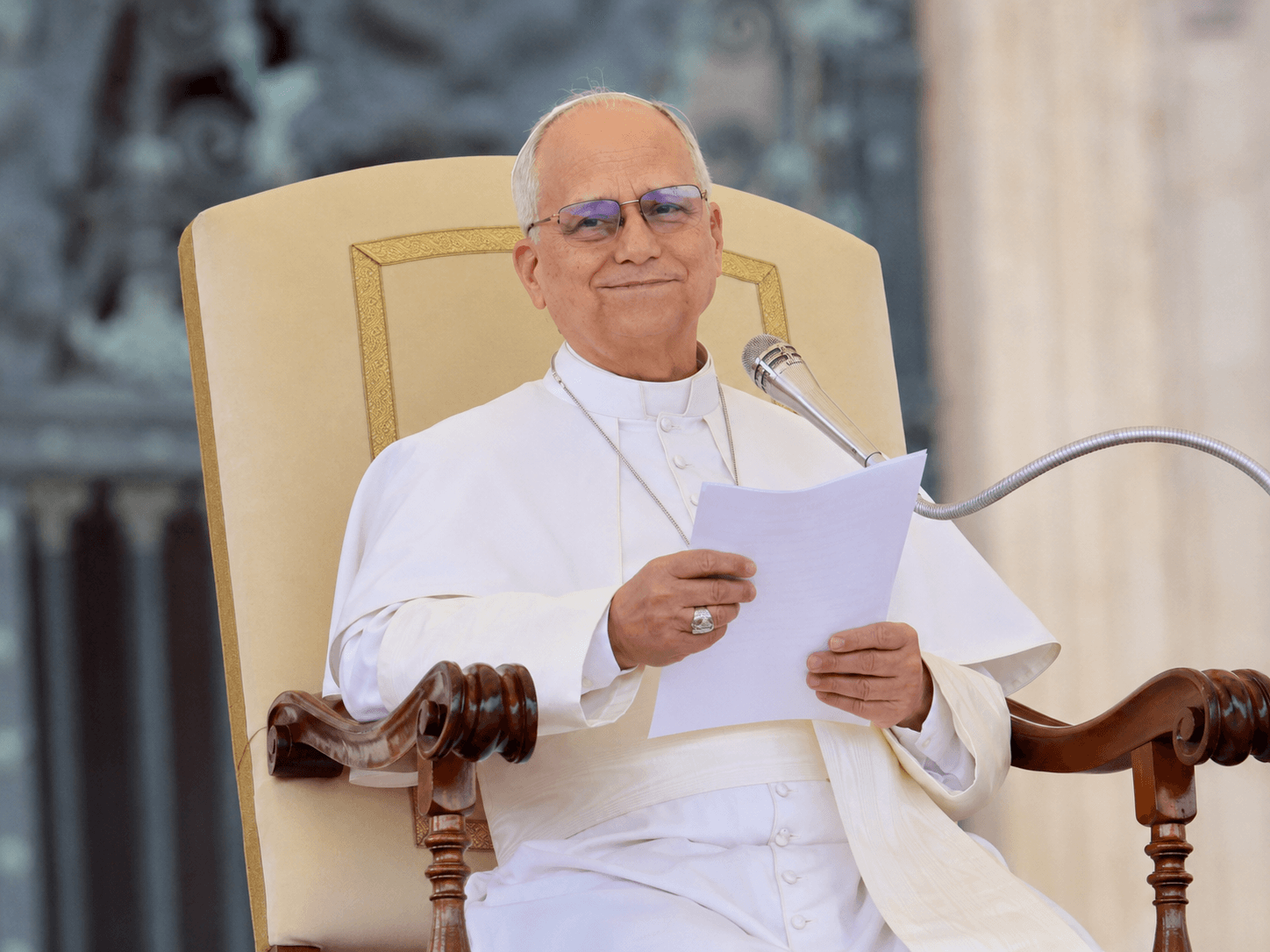
Magnifica Humanitas, the Vatican's first encyclical on artificial intelligence, shows AI-writing signatures across multiple sections.

The Vatican invited Anthropic to Monday's event, signaling a new alliance between the Church and Silicon Valley on AI safety.

Magnifica Humanitas calls for oversight of algorithmic governance and an end to the AI arms race.

Demand for AI-generated Bible content on TikTok, YouTube and Instagram is feeding a new freelancer economy built on ChatGPT, Grok and ElevenLabs.

Father Brendan McGuire left the tech industry to become a Catholic priest — then walked back into Silicon Valley to help build AI's moral compass. His presence inside one of the world's most powerful AI labs is either reassuring or alarming, depending on what you think is missing from AI development.

ChatGPT can unlock centuries of biblical scholarship in seconds. It can also quietly flatten the mystery out of a text that has survived precisely because it refuses to be flattened. The difference is entirely in how you use it.

We have built tools that can optimize any choice we hand them. In doing so, we have made it much easier to avoid the kind of decisions that actually matter — the ones that require surrender, not analysis.

Most Christians who want to share what they believe are stopped not by a lack of conviction, but by a failure of translation. They know what they mean. They have no idea how to say it to someone who doesn't already agree.

The Christian tradition insists that God is personal — not a general force, but a being who knows your name. Our spiritual resources rarely reflect that. For the first time, a technology exists that can.

When you ask AI about faith, it doesn't consult God. It consults the most common answers human beings have written down. For most questions, that's fine. For the ones that matter most, it's a problem you need to understand before you hand your spiritual life to the model.

Every generation asks whether the latest technology will make clergy obsolete. The question is always wrong. The more interesting one is what it reveals about the irreducible core of spiritual leadership that no technology has ever touched.
The tightly edited AI news email engineers, founders, and investors actually open. One email. Every weekday. Five minutes to finish.
The briefing read inside teams at