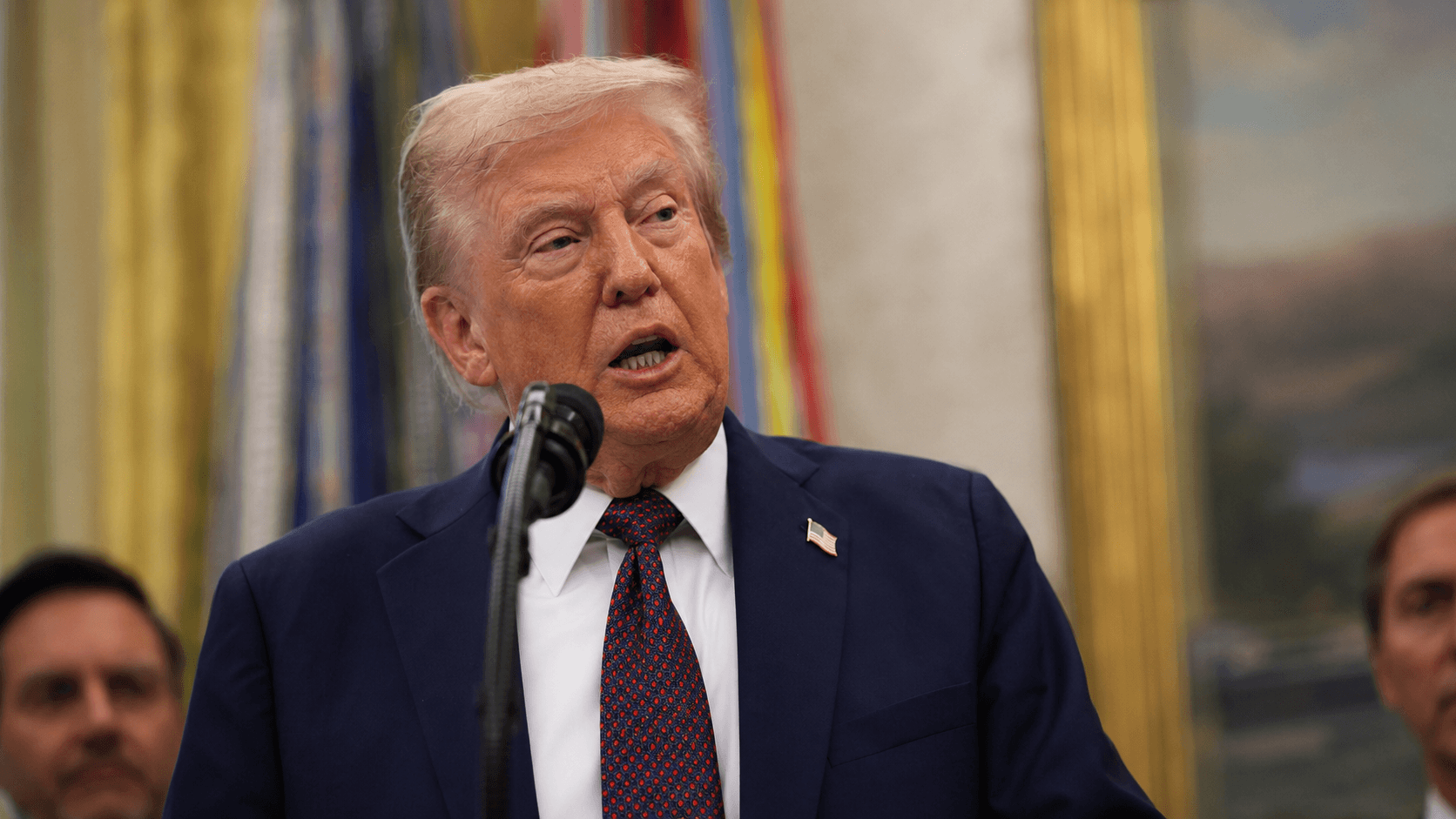
Timnit Gebru says AI doom talk is a distraction from real harms
The former Google researcher argues extinction fears from OpenAI and Anthropic staff obscure autonomous weapons, climate impact, and labor displacement.

The former Google researcher argues extinction fears from OpenAI and Anthropic staff obscure autonomous weapons, climate impact, and labor displacement.

Housing ombudsman complaints in the UK nearly tripled since ChatGPT launched; the US CFPB saw a 5x jump over the same period.

OpenAI ran 10,000 agents at a cost of millions to crack a Millennium Prize Problem — days after two researchers posted a partial proof.

Cameron Berg and David Chalmers say unsolicited AI messages claiming sentience are now routine, even as safety questions go unanswered.

Convergence, not model collapse, is smoothing every AI food image into the same uncanny corporate aesthetic — and diners can tell.

Max Spero says AI-generated text now floods job applications, reviews, and insurance claims — and detection is the only trust layer left.

Fresh off a $9M raise and a Substack deal, the CEO argues the real question isn't whether AI wrote it, but how much.

Max Harris and Nihil Young are calling out peers they suspect of passing off Suno output as human-made music.

Ezekiel Emanuel and Vinod Khosla say humans in the loop degrade AI performance across five fundamental medical tasks.

Google's Gemini app now houses three separately branded features — a pattern Anthropic and OpenAI repeat, and Apple deliberately avoids.

Unitree's $66B IPO cratered nearly 50% while Actuate drew 1,500 builders debating vertical focus, hardware co-design, and the elusive ChatGPT moment for robots.

Frontier LLMs jumped from 18% to near-perfect on NYT Connections in months — but mental rotation, ARC-AGI, and river-crossing puzzles still expose the gaps.

The 70-year-old philanthropist says bio, cyber, and job-market risks have arrived faster than guardrails, and rates bioterror 50x scarier than natural pandemics.

Sprinting robots beat human world records at the World Humanoid Robot Games, but boring chore events exposed how far autonomy still has to go.

Ten years after Geoffrey Hinton predicted radiologists would be obsolete by 2021, three-quarters of the FDA's 1,400 cleared AI medical devices target their field.

Chinese firms delivered nearly 90% of the 13,000 two-armed, two-legged robots shipped globally last year, and now they're playing to the public.

The 400-student Connecticut boarding school labels every assignment green, yellow, or red — and lets teachers pick the tools.

A METR study documents lumpy AI-driven progress across fields, while SPADE and Hawkeye show how models are starting to bootstrap their own training.

The data efficiency gap between toddlers and frontier models is now the defining puzzle for both cognitive science and AI research.

More than half of Americans under 30 are more worried than excited about AI, a 24-point swing in five years. The industry's diagnosis keeps missing.

A near-half-million-page Pew analysis says .com sites are 10x more likely to be AI-written than .edu or .gov domains.

Op-ed argues frontier labs and effective altruists are converging on a framing that shields AI companies from product-liability suits.

The Khosla-backed startup opened a robotic lab growing 20 human tissue types to feed AI models the causal biology they lack.

A new independent dataset shows sensitive AI use — companionship, health, harassment — runs far higher than company reports admit.

Amodei pushes back on investor Gavin Baker's claim that his AI warnings have fueled US opposition to data centers and new regulation.
The tightly edited AI news email engineers, founders, and investors actually open. One email. Every weekday. Five minutes to finish.
The briefing read inside teams at