Anthropic is running a wet biology lab in the Bay Area where its AI models can design and test physical experiments, the company confirmed this week. The disclosure lands five months after Anthropic quietly bought stealth AI biotech Coefficient Bio in April, and days after CEO Dario Amodei told an audience that AI could cure most major diseases in the next 5–10 years. It also arrives against the backdrop of Anthropic's own repeated warnings that frontier AI carries greater than 10% odds of exterminating humanity within the decade.
Anthropic's head of life sciences, Eric Kauderer-Abrams, told Reuters the lab operates much like any other biotech facility: some internal research, some work with outside partners. He framed the physical footprint as a technical necessity — an LLM that claims to advance biology has to be able to test its hypotheses in matter, not just in tokens.
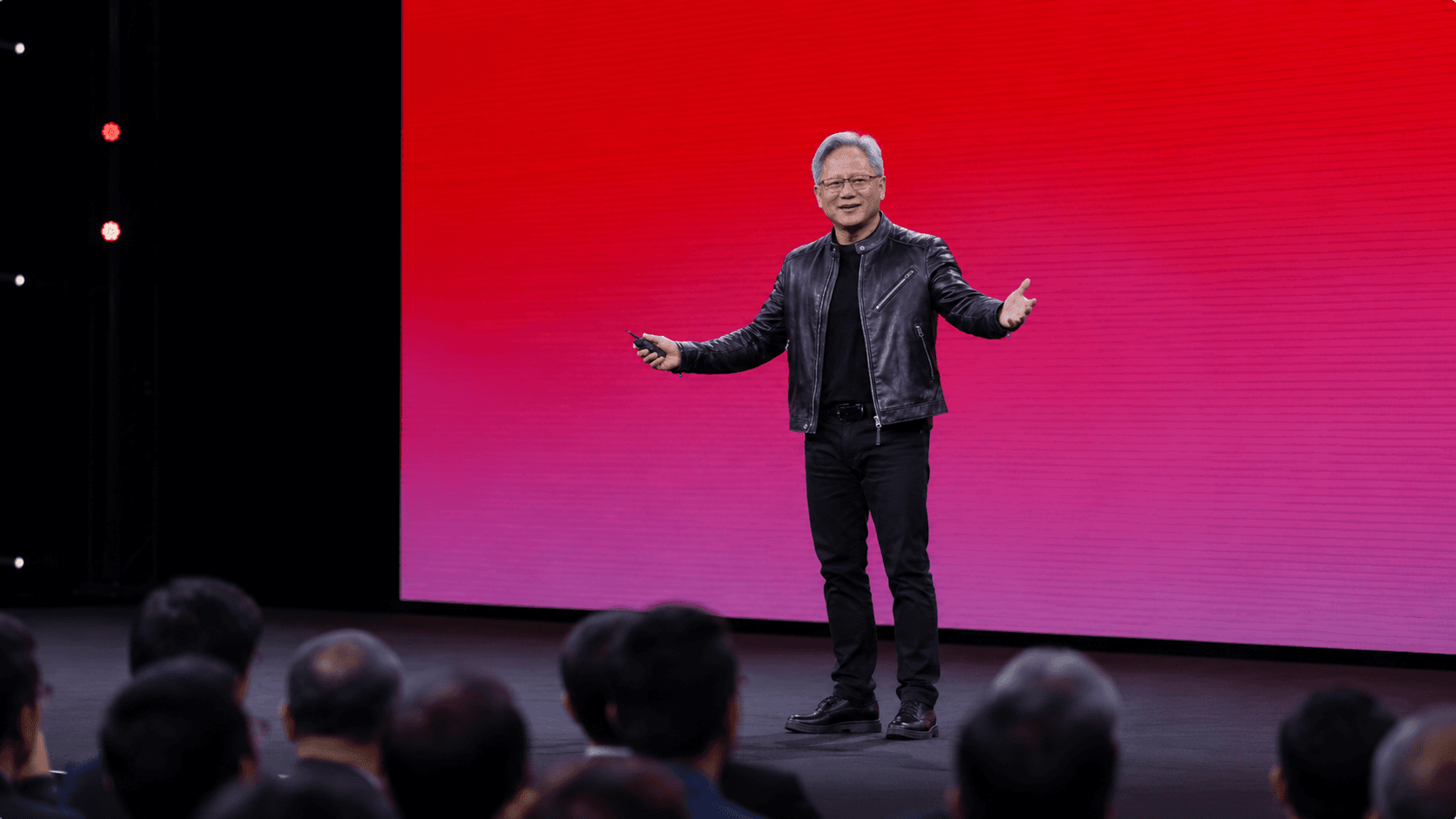
“I believe that AI could cure most major diseases in the next 5–10 years.”— Dario Amodei, Anthropic CEO
The company declined to name specific projects but said the focus is fundamental biology rather than drug discovery. That distinction is commercially deliberate. Anthropic counts major pharmaceutical companies among its customers and last week announced a joint drug-discovery deal with Novo Nordisk, and it has already drawn complaints for shipping products that compete with paying users. Positioning the lab as pre-competitive research keeps the pharma relationships intact.
Key facts
- 01Anthropic confirmed it operates a wet biology lab in the Bay Area where its models can run physical experiments.
- 02The lab traces back to Anthropic's April acquisition of stealth AI biotech Coefficient Bio.
- 03CEO Dario Amodei last week said AI could cure most major diseases in the next 5–10 years.
- 04Anthropic launched a Life Sciences Verification Program this week to give vetted bio researchers access to its most powerful models.
- 05Anthropic's own alignment lead has put the odds above 10% that AI could exterminate humanity within the next decade.
Alongside the lab confirmation, Anthropic launched a Life Sciences Verification Program this week that gives vetted biology researchers access to its most powerful models. The company has also published recent reports on accelerating protein design and lifting the ceiling on biomolecular modeling — both areas where wet-lab feedback loops would sharpen model performance quickly.
The Coefficient Bio acquisition in April now reads as the seed of this build-out rather than a one-off bet. Coefficient was operating in stealth and its capabilities were never publicly detailed, but the timeline lines up: buy the biotech in April, integrate it, confirm the lab in September, and open a researcher access program the same week.
The move puts Anthropic in a small group of AI labs willing to own the physical experimental layer rather than sell tokens to companies that do. Most model providers stay firmly in silico and let customers handle bench work. Anthropic is arguing that if the goal is real scientific progress on the timelines Amodei is quoting, the model provider has to close the loop between prediction and experiment itself.
The tension with Anthropic's public safety posture is doing most of the work in how the story is landing. Anthropic researcher Jacob Coxon resigned recently after warning that the people building AI earnestly believe it could kill everyone by the end of the decade. The company's own alignment lead has put the extinction-risk odds above 10% for the next ten years. Amodei published a post last weekend calling on the industry to slow down and adopt self-regulation, and has repeatedly named bioterrorism as one of AI's largest risks.
That backdrop is why the wet-lab news is being read as a contradiction rather than a routine capital expenditure. Investor Chamath Palihapitiya captured the reaction on X in a tongue-in-cheek post that traveled quickly in the tech industry.
“The group behind such hits as: "We're All Going To Die" and "Regulate Me Now" are building a wet lab in SF. I do not recommend this.”— Chamath Palihapitiya, investor and AI coding startup founder
Anthropic's counter is that fundamental biology research done by a safety-forward lab is precisely the configuration you'd want if the technology is going to be built regardless. Kauderer-Abrams's framing — real biology requires real experiments — is also the honest one. Bench work is how biotech works. Refusing to do it would concede the frontier to labs with weaker safety cultures.
For the AI market, the more concrete signal is vertical. Anthropic is following a pattern that now includes buying Coefficient Bio, standing up an internal lab, running a verification program for outside researchers, and inking pharma partnerships including Novo Nordisk. That is not a model-provider strategy — it is a full-stack applied-science strategy, and it puts pressure on OpenAI and Google DeepMind to decide whether they intend to compete at the same layer or stay upstream selling capacity to whoever does.

Working on something we should cover, or seeing a story we missed? Send leads, documents, or feedback to hello@aichatdaily.com. For sensitive tips, see our secure tips page for Signal and PGP options.
Spotted an error? Email hello@aichatdaily.com with the URL and the issue, or read our full corrections policy.