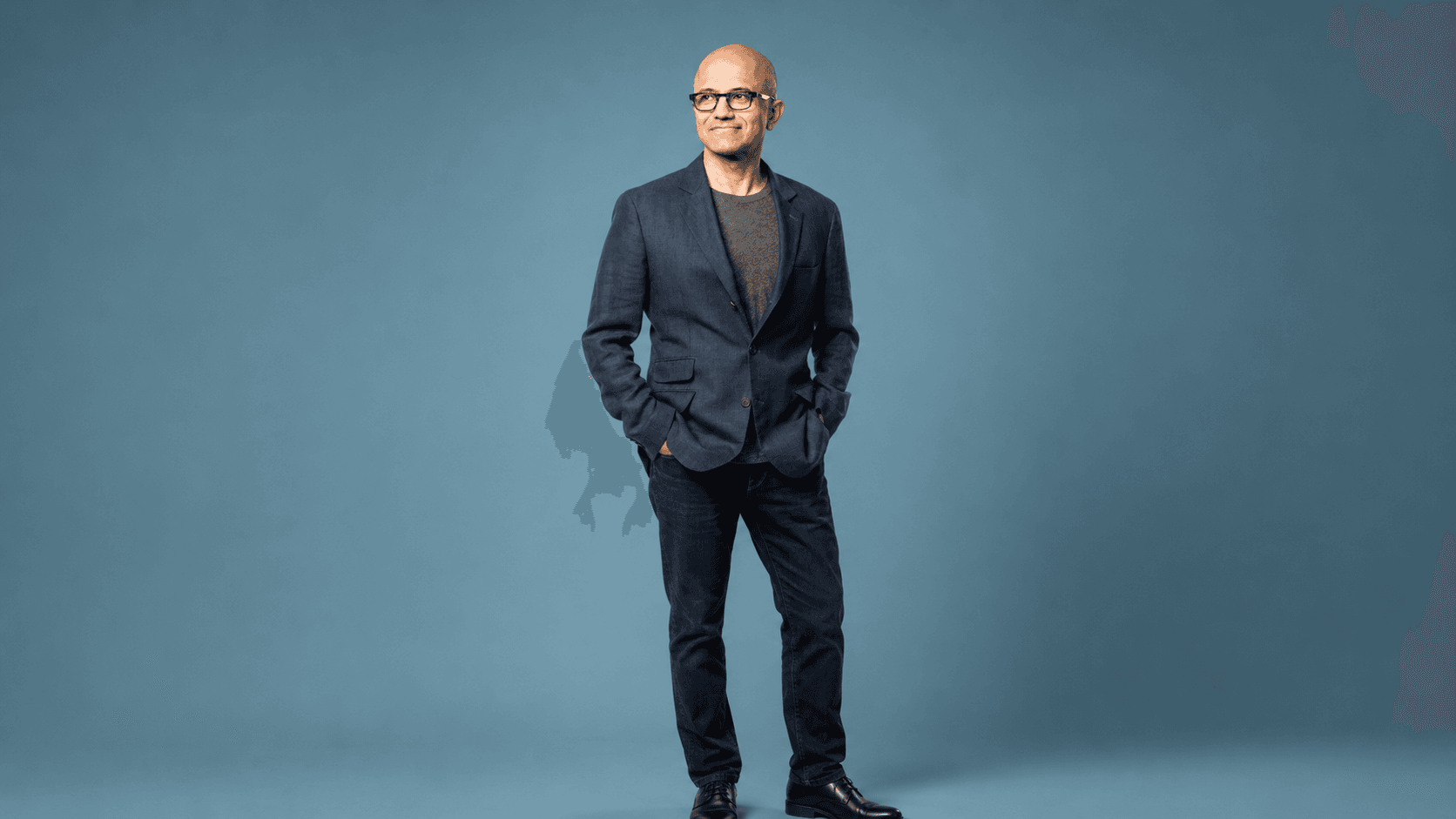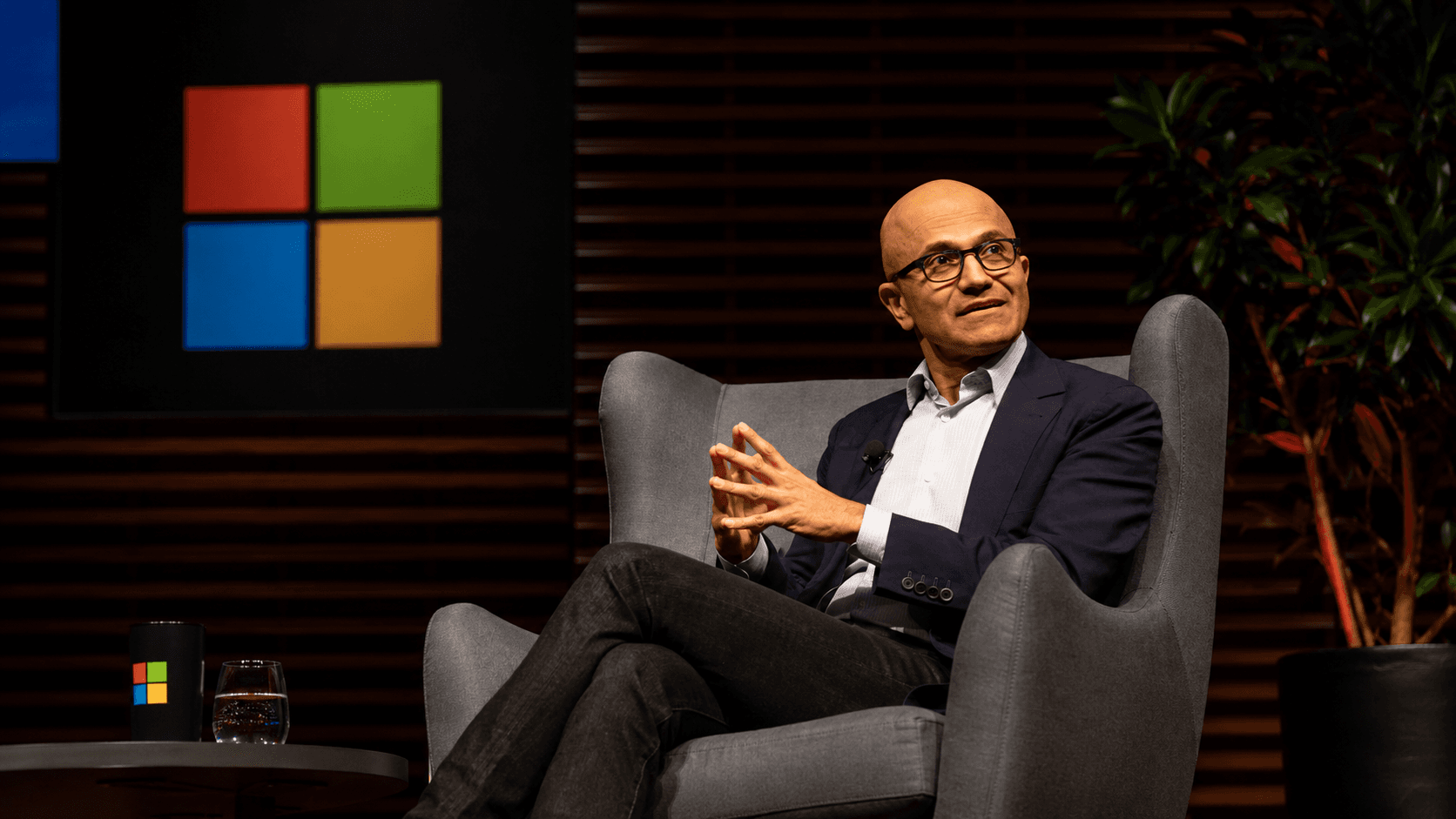
Satya Nadella told a Wall Street analyst on Wednesday that Microsoft plans to fully exploit its royalty-free access to OpenAI's frontier models through 2032, pushing back on the idea that the renegotiated partnership weakens Microsoft's AI position. The Microsoft CEO disclosed that the company's AI business has cleared a $37 billion annual revenue run rate, growing 123% year-over-year. That figure covers the last full quarter under the previous OpenAI arrangement, before exclusivity ended.
The headline change in the new deal: Microsoft no longer has exclusive rights to OpenAI's technology, but it also no longer has to pay OpenAI for the IP it uses. "We have a frontier model, with all the IP rights that we will have access to all the way to '32 and we fully plan to exploit it," Nadella said. The royalty-free access window stretches roughly six years from here.
On the other side of the ledger, OpenAI committed to buy more than $250 billion of Microsoft cloud services as part of the revised terms. Microsoft also retains a 27% stake in OpenAI. Nadella framed those two figures as the financial counterweight to losing exclusivity.
Key facts
- 01Microsoft's AI business surpassed a $37B annual revenue run rate, up 123% year-over-year, in the last full quarter under the prior OpenAI deal.
- 02Nadella confirmed Microsoft retains royalty-free access to OpenAI's frontier models and agent IP through 2032.
- 03OpenAI committed to buy more than $250B of Microsoft cloud services, and Microsoft holds a 27% equity stake.
- 04Over 10,000 Microsoft customers have used more than one model across OpenAI, Anthropic, and open source.
- 05OpenAI announced exclusive products with AWS, with Sam Altman and AWS CEO Mark Garman doing joint interviews.
"They're a large customer of ours, not just on the AI accelerator side, but also on all the other compute sides," Nadella said of OpenAI. "And so we want to serve them well. And then, of course, we have our equity." The implication is that Microsoft makes money on OpenAI compute regardless of whose chatbot wins the consumer race.
“We have a frontier model, with all the IP rights that we will have access to all the way to '32 and we fully plan to exploit it.”— Jaeden Schafer
The renegotiation freed OpenAI to cut deals elsewhere, and it moved fast. OpenAI announced exclusive AI products with Amazon, Microsoft's biggest cloud rival, with Sam Altman and AWS CEO Mark Garman doing joint interviews to mark the partnership. That sequence drove the speculation Nadella was responding to: that Microsoft had given up its edge.
Nadella's counter-argument leans on the idea that no single model wins the enterprise. "We offer the broadest selection of models of any hyperscaler, so customers can choose the right model for the right workload across OpenAI, Anthropic, open source, and more. Over 10,000 customers have used more than one model," he said. The point is that Azure's pitch is now model-agnostic, and the multi-model behavior is already showing up in usage data.
That framing also hedges against the scenario where OpenAI's relative dominance fades. If Anthropic, open-source models, or whatever Mira Murati ships out of Thinking Machines start taking enterprise share, Microsoft can route those workloads through Azure and still collect. The $37B run rate is the proof of concept that the strategy is already working at scale.
"We feel good about our partnership with OpenAI. I'm always very focused on any partnership and ensuring that there's a win-win construct at all times," Nadella said. "I mean, that's how you can remain good partners." The diplomatic tone matters because the two companies still need each other operationally — OpenAI for the compute, Microsoft for the IP and the equity stake.
The skeptics' case is straightforward. Exclusivity was the asset that justified Microsoft's roughly $13 billion in OpenAI investment, and giving it up means Azure now has to win on price, performance, and selection against AWS and Google Cloud, both of which have their own preferred frontier labs. The $250B compute commitment is real, but spread over years it does not by itself replace the strategic moat that exclusivity provided. And Amazon getting the Altman roadshow treatment was not an accident.
What the quarter really shows is that Microsoft has stopped treating OpenAI as the product and started treating it as one input among several. The 27% stake, the $250B compute backlog, and the IP rights through 2032 give Nadella a structural position regardless of which lab wins the next benchmark. The harder question is whether $37B in AI revenue at 123% growth is the start of a durable enterprise franchise or a number that flattens once the multi-model market matures and customers start optimizing for cost. Nadella is betting it is the former, and for now the run rate is on his side.

Working on something we should cover, or seeing a story we missed? Send leads, documents, or feedback to hello@aichatdaily.com. For sensitive tips, see our secure tips page for Signal and PGP options.
Spotted an error? Email hello@aichatdaily.com with the URL and the issue, or read our full corrections policy.