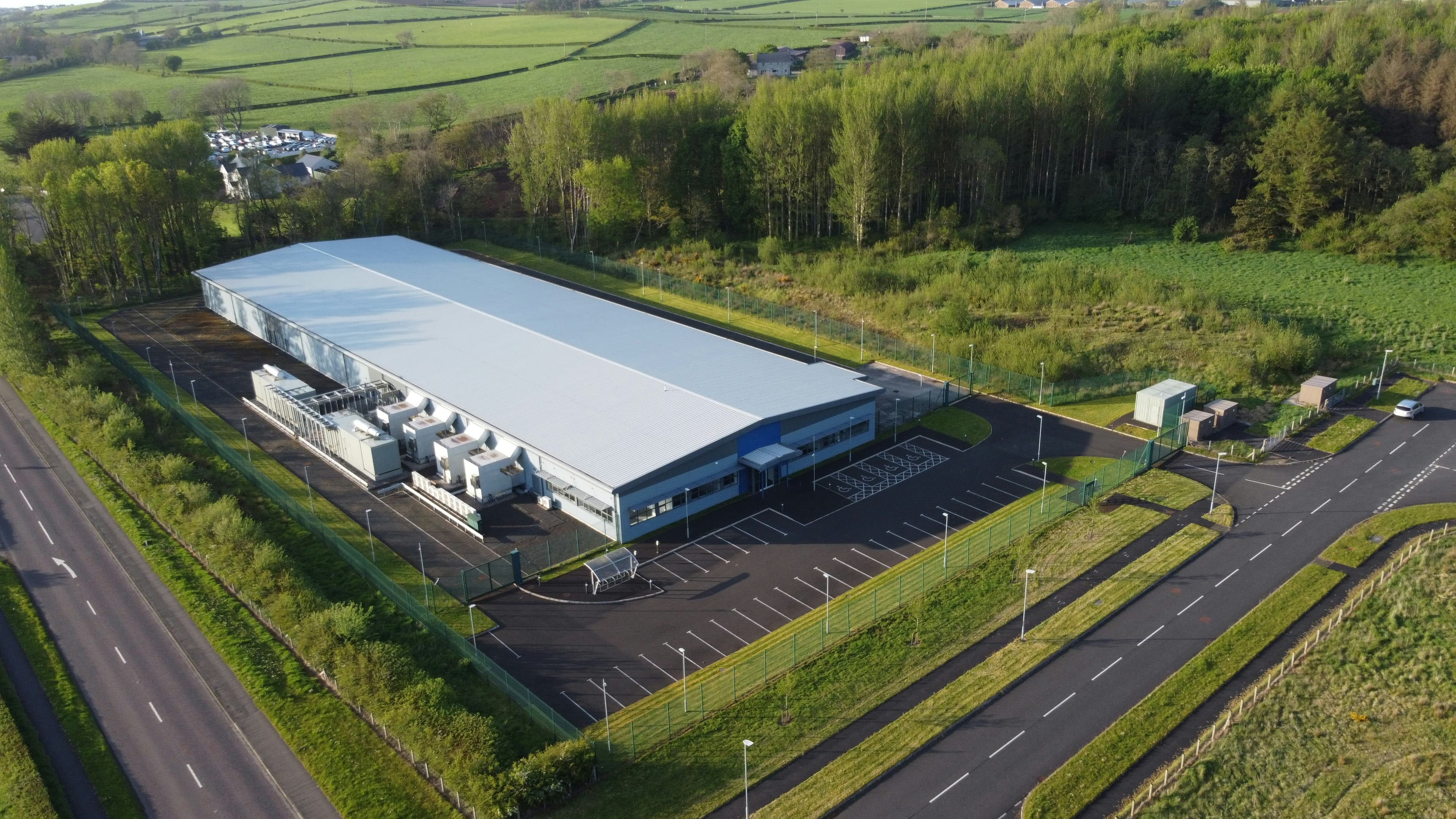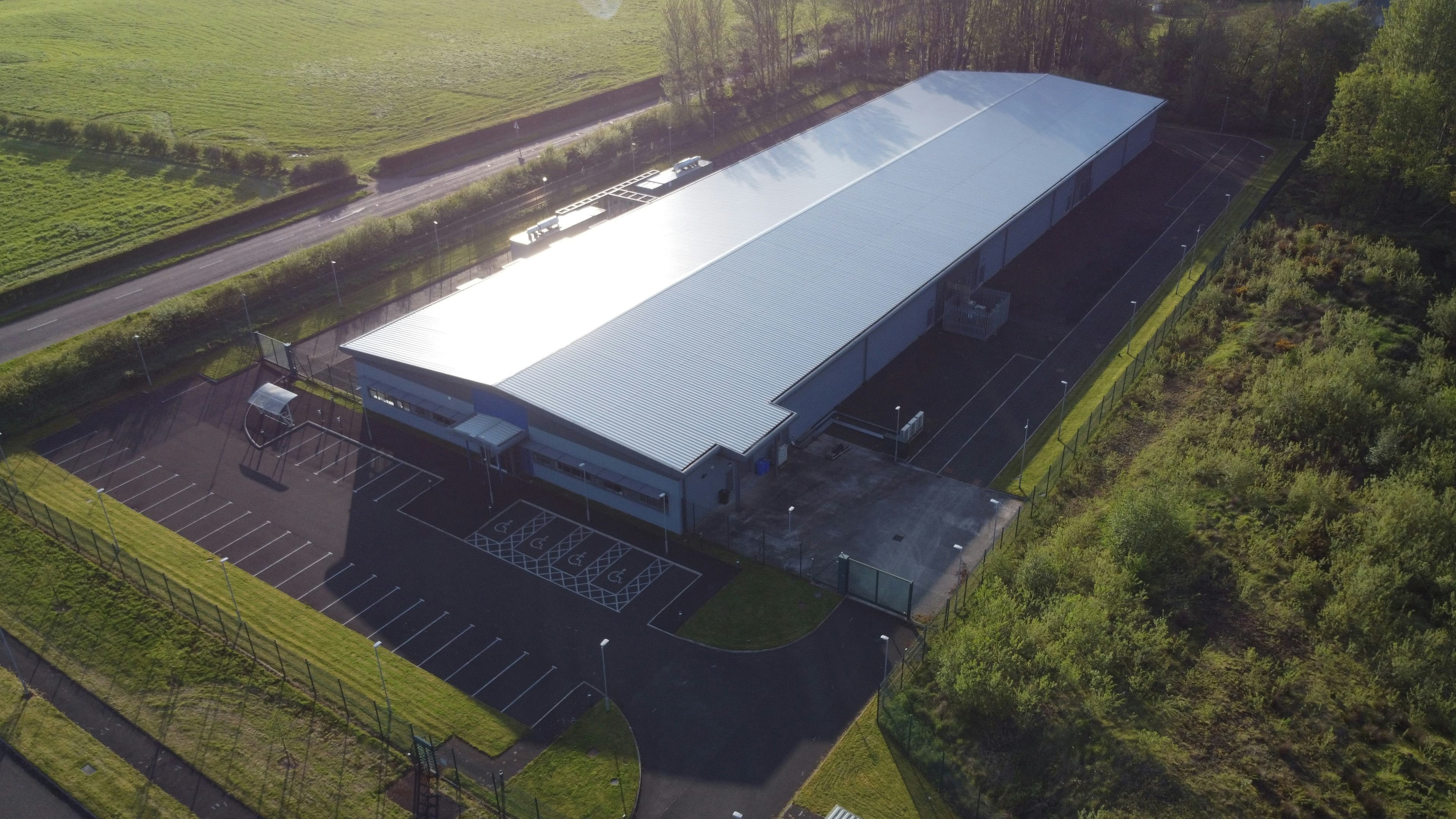
More than 100 Philadelphia residents rallied at City Hall on Monday to launch the No Data Centers in Philly campaign, demanding a moratorium on AI data center construction before any project breaks ground. City officials have identified two potential sites, one in Northeast Philadelphia and one in the Grays Ferry neighborhood of Southwest Philadelphia. No formal proposals have been filed yet, but organizers want the door closed before the industry knocks.
Grays Ferry sat next to what was the East Coast's largest oil refinery until an explosion shut it down in 2019. Philadelphia Energy Solutions had processed up to 335,000 barrels of crude oil daily. Shawmar Pitts, managing co-director of the environmental justice group Philly Thrive and a lifelong Grays Ferry resident, is leading the moratorium push. He got involved in 2018 after reading a Philly Thrive handout listing illnesses linked to refinery emissions and recognizing every condition in his own family and on his block.
The opposition is grounded in what the neighborhood already lived through. Sonya Sanders, Philly Thrive's board president, told the rally her husband died of a rare bone cancer in 2020 and did not smoke or drink. She attributes his death to refinery emissions.
Key facts
- 01More than 100 residents rallied at Philadelphia City Hall on Monday to launch the No Data Centers in Philly campaign.
- 02City officials have identified two potential data center sites: one in Northeast Philadelphia and one in Grays Ferry.
- 03BloombergNEF projects US data centers will consume more natural gas than Germany and Japan combined by 2035.
- 04Additional data center demand is expected to add 1 million metric tons of greenhouse gas pollution daily, about 12% of current US emissions.
- 05Data center moratoriums are in place in Denver, Indianapolis, Asheville, Charlotte, and Reno.
A modern data center campus is not an oil refinery, but the scale of the AI buildout is what has residents alarmed. BloombergNEF projects US data centers will consume more natural gas than Germany and Japan combined by 2035, roughly double the firm's projection from nine months earlier. Additional data center demand is expected to add about 1 million metric tons of greenhouse gas pollution per day, equivalent to roughly 12% of current US greenhouse gas emissions.
The local pollution profile is what drove the Grays Ferry organizing. Clean Air Council attorney Annie Fox told the rally that a typical Pennsylvania data center design includes hundreds of diesel backup engines, and that state guidance has already directed operators to run those engines during heat waves rather than draw more load from a stressed grid. A 2021 Harvard study attributed one in five deaths worldwide to fossil fuel air pollution.
Philadelphia is not an outlier. New York Governor Kathy Hochul signed an executive order temporarily blocking state approval of new permits for large data center projects. Moratoriums have also been enacted in Denver, Indianapolis, Asheville, Charlotte, and Reno. The stated purpose of most of these pauses is to give city officials time to study energy, water, and noise impacts before approving deals that typically lock in decades of load.
The industry's counter-pitch is jobs and tax base. That argument has struggled in front of residents who watched heavy industry deliver a similar promise and leave a public-health bill behind. Donna Greenberg, a Philadelphia resident at the rally, cited pollution, surveillance, and competition for water and electricity as her top concerns. Recruiters for hyperscaler campuses have had an easier time in exurban counties with cheap land and slack grid capacity than in dense, post-industrial urban cores.
The buildout math is what makes this collision unavoidable. Hyperscalers and frontier AI labs are competing to bring gigawatt-scale capacity online as fast as regional grids will allow, and the sites with existing heavy-industrial zoning, brownfield land, and transmission access are exactly the neighborhoods that spent the last century absorbing the externalities of the last industrial cycle. Closed-loop cooling designs and cleaner backup generation exist and are increasingly standard on new builds, but adoption is uneven and the specifics rarely make it into early site announcements, which is part of what fuels the local trust gap.
The counterweight is real: AI infrastructure is not oil refining, natural gas burns cleaner than the fuels that ran the last cycle of American industry, and modern campuses can be built with air-cooled or closed-loop water systems that consume a fraction of what critics assume. Hyperscalers that lead with specifics on cooling design, backup fuel, water draw, and grid impact tend to clear local review faster than those that show up with a jobs number and a rendering.
The moratorium wave is now a real variable in AI capacity planning. Every city that pauses permitting pushes buildout toward jurisdictions that will approve, which concentrates load in a smaller set of counties and raises the political stakes there too. For the AI industry, the lesson from Grays Ferry is that the site selection playbook needs to lead with the engineering details residents are asking about, because the neighborhoods that already carried one industrial cycle are the least willing to take the next one on faith.

Working on something we should cover, or seeing a story we missed? Send leads, documents, or feedback to hello@aichatdaily.com. For sensitive tips, see our secure tips page for Signal and PGP options.
Spotted an error? Email hello@aichatdaily.com with the URL and the issue, or read our full corrections policy.