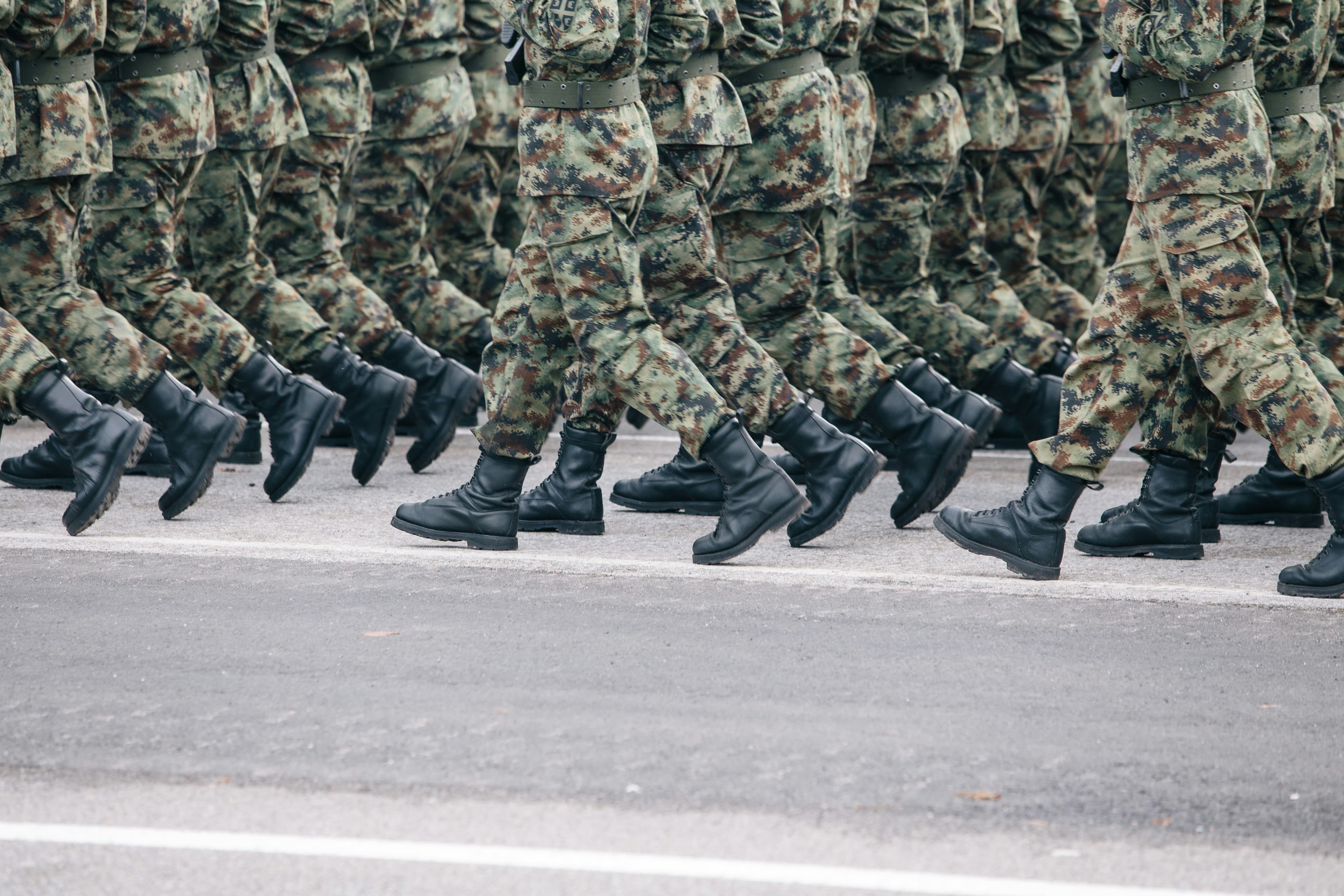
Forterra has deployed more than 100 of its autonomous Lancer ATVs alongside Ukrainian forces over the past nine months, the largest combat deployment of uncrewed ground vehicles by any US defense technology company. The gas-powered vehicles, built on Polaris ATV chassis and topped with a Forterra-designed sensor and compute stack, have logged 2,500 miles across 1,100 missions since arriving last October. They have carried 777,440 pounds of cargo and completed 52 casualty evacuations, according to figures the company disclosed to TechCrunch.
Forterra, which has raised more than $500 million from investors including XYZ Venture Capital and Moore Strategic Partners, has spent 20 years building autonomous ground systems. Ukraine is the first environment where those systems are being tested against a peer adversary shooting back. Chief growth officer Scott Sanders, a former US Marine officer, framed the deployment as the moment lab work meets ground truth.
The pull for ground autonomy comes directly from the drone problem. Aerial FPV drones, loitering munitions and persistent surveillance have hollowed out the front line, making resupply and medical evacuation by human crews increasingly lethal. Ukrainian units are already building their own UGVs, but those platforms are typically battery-powered and cap out at roughly 250 kilograms of cargo, according to a Ukrainian soldier familiar with the vehicles.
Key facts
- 01Forterra has deployed more than 100 autonomous Lancer ATVs in Ukraine over the past nine months, the largest US combat UGV deployment to date.
- 02The vehicles have driven 2,500 miles across 1,100 missions, carrying 777,440 pounds of cargo and completing 52 casualty evacuations.
- 03The gas-powered Lancer carries 750 kilograms versus 250 kilograms for typical battery-powered Ukrainian UGVs.
- 04Forterra has raised more than $500 million from investors including XYZ Venture Capital and Moore Strategic Partners.
- 05Competitor Scout AI raised $100 million this year to build foundation models for military ground platforms.
Forterra's Lancer carries 750 kilograms — three times that payload — and its gas powertrain extends range on a battlefield where charging infrastructure is a liability. Once Forterra added a Starlink antenna to enable reliable teleoperation and over-the-air updates, the value proposition landed. The Ukrainian soldier called the Lancer the most important UGV in Ukraine and said the unit is trying to acquire more.
The vehicles have also taken losses. Some Lancers have been destroyed after getting stuck in deep mud or terrain where Russian forces could target them at their leisure. Forterra has used those failures to refine software updates pushed remotely, harden the vehicles against electronic warfare and improve mobility in the specific soils and weather Ukrainian crews operate in.
Autonomy in the deployment is real but bounded. The Lancers can navigate diverse terrain on their own, but Ukrainian crews still teleoperate the vehicles for most combat missions — partly because each platform is too valuable to lose to a software mistake, and partly because the autonomy stack cannot yet identify and react to unexpected enemy forces in the loop. Sanders described the challenge as one of gathering data on tasks humans do not normally do — navigating a minefield, operating a weapon system — and blending classical robotics control with generative AI where it helps.
That gap is where the competitive field is racing. Scout AI raised $100 million earlier this year to train foundation models and build a family of autonomous military platforms including UGVs. Field AI and Overland AI are running their own trials with the US military. Forterra's advantage is that its vehicles are already logging combat miles at scale, which produces the kind of training data no simulator generates.
Sergeant Major Corey Wilkens, who leads a US Army program developing autonomous ground vehicles and doctrine, said the Ukraine deployment has settled the question of whether the technology is ready to invest in. Forterra chief innovation officer Scott Philips visited a Ukrainian operations center in range of Russian attacks and said the trip showed exactly where processes are still manual and where better tooling could relieve the crews doing the work under fire.
The unresolved constraint is cost. Even with Polaris's commercial supply chain keeping the Lancer's per-unit price reasonable for its class, the vehicles remain too valuable to be treated as consumables the way FPV drones are. The Ukrainian soldier who spoke to TechCrunch said attrition is a fact of the battlefield, and the unit needs more Lancers at a lower price point to use them as aggressively as the tactical situation demands.
The Ukraine data changes the competitive dynamic for US defense procurement. Programs like the Army's autonomous ground vehicle efforts have spent years debating requirements against limited real-world evidence. A vendor showing up to a Pentagon meeting with 1,100 combat missions, 52 casualty evacuations and telemetry from electronic-warfare-heavy terrain is arguing from a different position than one showing up with slideware. Forterra's next round of national security contracts, and the valuations of Scout AI, Field AI and Overland AI as they chase similar deals, will be shaped by whose ground-truth dataset looks most defensible — and by which vendor can drive the unit cost down fast enough for combat units to actually stop rationing them.

Working on something we should cover, or seeing a story we missed? Send leads, documents, or feedback to hello@aichatdaily.com. For sensitive tips, see our secure tips page for Signal and PGP options.
Spotted an error? Email hello@aichatdaily.com with the URL and the issue, or read our full corrections policy.