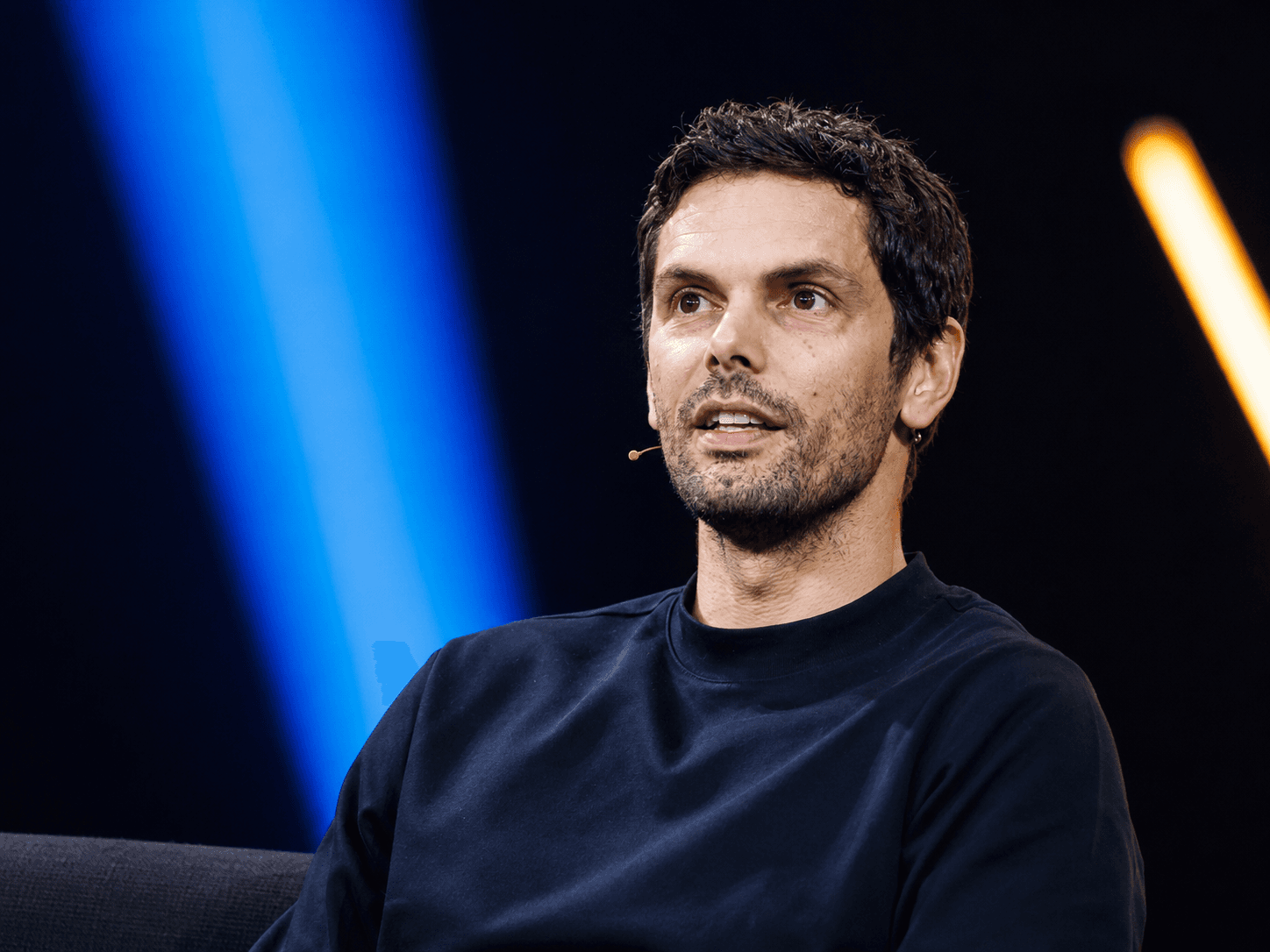
Creative Artists Agency CEO Bryan Lourd urged Congress on Saturday to pass the NO FAKES Act, a bill that would create a federal prohibition on making nonconsensual digital replicas of any person's voice or likeness. Lourd made the case in a New York Times guest essay, writing that the Senate and House should move quickly and deliver the bill to President Trump for signature.
Sen. Chris Coons introduced the NO FAKES Act in May, following an earlier attempt the prior year, and the Senate Judiciary Committee approved it unanimously in June with a bipartisan group of co-sponsors. The full Senate has not yet taken it up. Lourd wrote that there is momentum to pass it through the full Congress before the end of the year, calling it one of the few AI bills with true bipartisan support.
Lourd framed the bill as applying a formula of control, consent and compensation to the AI era. It would set a uniform federal standard to replace state laws he described as outdated and ill-fitting, many of them written for an analog world. Under that framework, individuals could authorize or reject uses of their digital likeness, and companies would negotiate and pay for authorized commercial uses.
Key facts
- 01CAA CEO Bryan Lourd urged Congress on Nov. 21, 2026 to pass the NO FAKES Act in a New York Times guest essay.
- 02The Senate Judiciary Committee approved the bill unanimously in June; the full Senate has not yet taken it up.
- 03The bill would create a federal prohibition on nonconsensual digital replicas of any person's voice or likeness.
- 04Backers Lourd cited include SAG-AFTRA, the Motion Picture Association, IBM, Google and OpenAI.
- 05Lourd says there is momentum to pass the bill through the full Congress before the end of the year.
His examples ran from celebrities to ordinary creators. Tom Hanks warned followers in 2023 about a dental office using an AI-generated younger version of him in an advertisement; Lourd wrote that Hanks likely would not have agreed to the ad but should have been given the choice. He also cited a content creator who learned on her honeymoon that a YouTube ad was using an AI version of her to sell erectile dysfunction supplements, and voice actors whose recordings made for research were turned into commercial voice clones.
“Is all this legal? Right now, it's an open question. But it shouldn't be.”— Bryan Lourd, CEO of Creative Artists Agency
Lourd argued that Hollywood does not need a new legal concept. The use of Americans' faces, voices, performances and creative works is already governed by federal and state rules that require permission and payment, he wrote, and that principle has guided the entertainment industry for more than a century. The NO FAKES Act would extend it to AI-generated replicas.
“We need them to extend and enforce the rules that already exist.”— Bryan Lourd, CEO of Creative Artists Agency
Lourd was explicit that the fight is over unauthorized use, not the technology itself. Hollywood is not afraid of new technology, he wrote, and many artists are already embracing AI on their own terms, including deals with companies building AI likenesses with their consent. He said CAA regularly negotiates those licensing deals for clients, sometimes with AI companies, and that the pending bill delivers what the industry needs.
The supporters Lourd listed span both sides of the negotiating table: SAG-AFTRA, the Motion Picture Association, and tech companies including IBM, Google and OpenAI. Other industry backers of the bill include the Recording Industry Association of America, the Recording Academy, the National Association of Broadcasters, the AFL-CIO and YouTube.
CAA has been active on the issue beyond the essay. The agency works with the Human Consent Foundation, backed by Cate Blanchett, to help people control permissions for likenesses scraped by AI models, and it joined the foundation and other entertainment groups in an amicus brief in the New York Times' lawsuit against OpenAI that pointed to the active licensing market for likenesses.
Lourd closed by arguing that what is missing is a bright-line rule affirming a person's right to say no to an unwelcome use of their likeness in the AI age, a rule he wrote Congress can supply before the year is out.

Working on something we should cover, or seeing a story we missed? Send leads, documents, or feedback to hello@aichatdaily.com. For sensitive tips, see our secure tips page for Signal and PGP options.
Spotted an error? Email hello@aichatdaily.com with the URL and the issue, or read our full corrections policy.