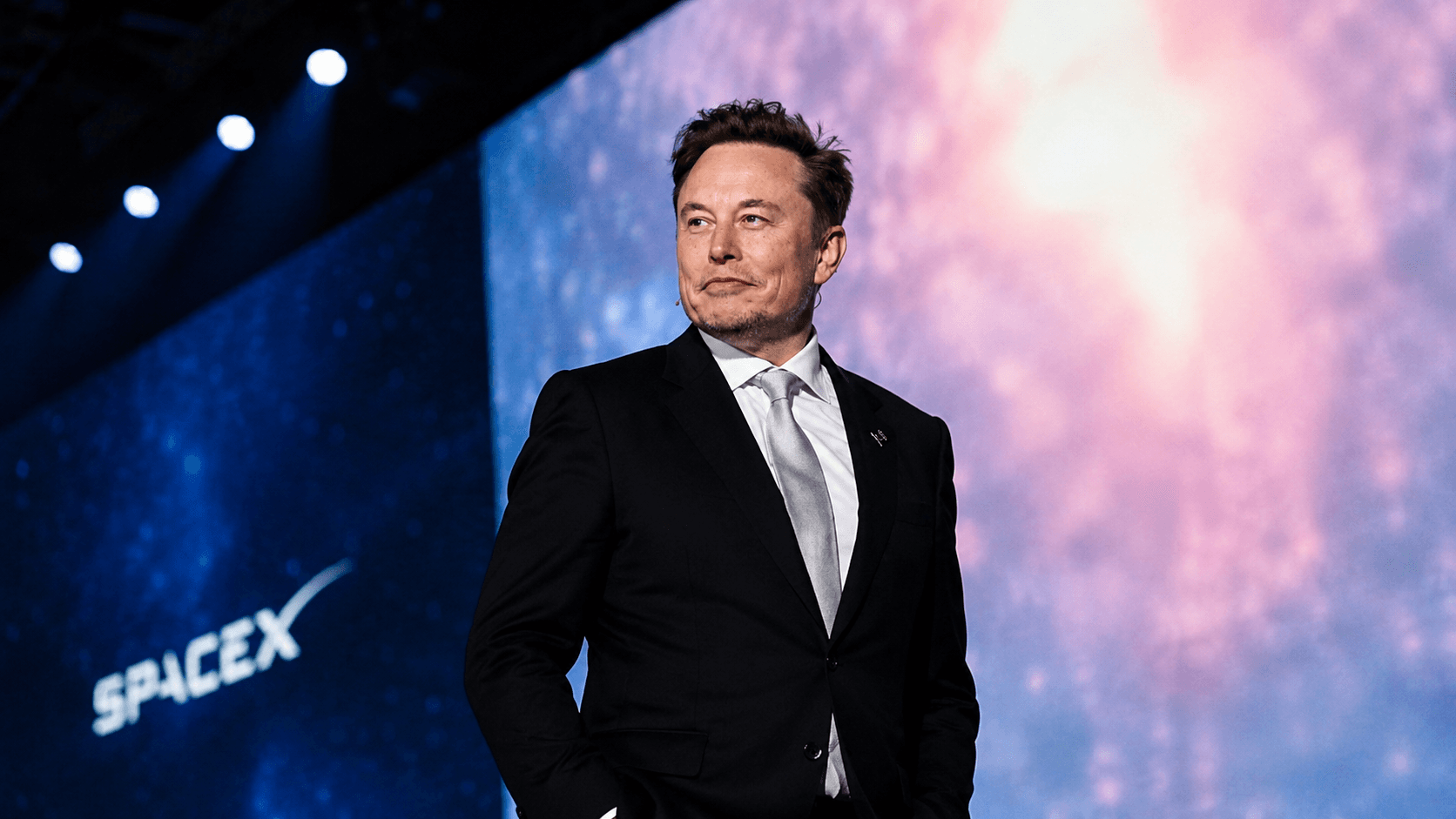
Elon Musk has petitioned the Federal Trade Commission to end the 20-year privacy order governing X, arguing the 2022 settlement is obsolete after the company was folded into xAI and then SpaceX. The order, which runs through 2042, was signed alongside Twitter's $150 million payment to resolve claims that a coding error let phone numbers and email addresses collected for two-factor authentication be used for targeted ads between May 2013 and September 2019. Musk's May 2026 petition is his second attempt to escape the monitoring regime; a 2023 effort failed when a court ruled it had no authority to amend the FTC's order.
The petition leans on three arguments. X says it has paid $17 million in compliance costs it considers redundant, given that a parallel lawsuit over the same two-factor authentication issue ended in Twitter's favor. It argues that the corporate entity the FTC originally regulated no longer exists, since X was merged into xAI and xAI was then absorbed by SpaceX. And it invokes the Trump administration's AI Action Plan, claiming the order diverts engineering resources from AI work at what X calls the center of America's AI ambitions.
X also frames the order as a speech risk, telling the FTC it "creates a permanent mechanism through which future regulators can pressure the Company over the viewpoints it hosts." The petition asks for termination either immediately or by the end of 2026, before another year of compliance bills accrues.
Key facts
- 01Musk's May 2026 petition asks the FTC to terminate a privacy order signed alongside Twitter's $150 million 2022 settlement.
- 02The order runs through 2042 and requires independent audits of X's data-handling practices.
- 03X claims $17 million in annual compliance costs and argues the company no longer exists after merging into xAI, then SpaceX.
- 04Public commenters cite two post-acquisition breaches: 200 million records in 2023 and 2.8 billion profiles in 2025.
- 05The FTC is accepting public comments until July 2, 2026.
The FTC's prior filings tell a different story. When Musk first tried to revoke the order in 2023, the agency pointed to layoffs and operational changes that it said impaired X's ability to enforce data controls. One engineer testified in a deposition that cost-cutting pressure compromised technical restrictions on how contact data could be used. The agency found that no one was responsible for roughly 37 percent of X Corp.'s privacy program controls.
“No one was responsible for about 37 percent of X Corp.'s privacy program controls”— FTC, Federal Trade Commission filing
The FTC also flagged Musk's order to give outside journalists access to internal systems for the "Twitter Files," and a text in which Musk insisted an executive assistant get system access "immediately," warning that "anybody standing in the way" would "be fired." In 2024, the agency said X security staff sometimes had to disobey Musk to stay in compliance with the order.
X's current petition characterizes all of this as resolved history. The company says it has built what it calls a world-class privacy program, that none of the engineers responsible for the original error remain, and that its compliance with the European Union's GDPR already covers the relevant ground.
“The factual foundation of the FTC's complaint has been dismantled”— X Corp., May 2026 petition to the FTC
Public commenters are not convinced. The FTC opened a comment window this week running through July 2, 2026, and the early submissions run heavily against X. Commenters note that Musk knew about the order before completing his $44 billion purchase of Twitter and argue the compliance costs are proportionate to the underlying violation. One anonymous commenter wrote that without the FTC's standards, X could roll back privacy measures "for the sake of cost cutting without any consequence."
The most detailed comment came from William Pate II, who argued the xAI merger makes the order more necessary, not less, because the combined entity has "strong commercial incentives to train AI on user data." Pate pointed to two post-acquisition breaches — 200 million records exposed in 2023 and 2.8 billion profiles in 2025 — and to the Irish Data Protection Commission's 2024 inquiry into whether X used user data to train its Grok model without adequate consent.
Amanda Collins, writing under her own name, urged the FTC to "operate from a position of protecting the American public and not shielding oligarchs from consequences." As of this writing, only one of the dozen-plus comments backed X's petition, and that commenter spent most of the submission criticizing the FTC for unrelated reasons.
“The order runs through 2042 because the Commission concluded that a repeat offender required sustained oversight”— William Pate II, Public commenter to the FTC
To win, X will likely need to show that the order's safeguards are either unworkable or contrary to the public interest, and that no narrower remedy would address the FTC's concerns. The agency's prior position was that Musk sought termination because he was "hoping to limit the FTC's investigation into alarming developments" in X's data practices — a framing the current petition does not directly rebut.
The case is a stress test for how much leverage AI-era corporate restructurings give companies over legacy consent decrees. If X succeeds by arguing that a merger into xAI and then SpaceX dissolves the regulated entity, the playbook becomes available to every AI company facing a long-tail privacy order. If the FTC holds the line, it sets a precedent that data-handling commitments survive corporate reshuffling — a question that matters far beyond X as model providers train on user data at scales the 2022 settlement never contemplated.

Working on something we should cover, or seeing a story we missed? Send leads, documents, or feedback to hello@aichatdaily.com. For sensitive tips, see our secure tips page for Signal and PGP options.
Spotted an error? Email hello@aichatdaily.com with the URL and the issue, or read our full corrections policy.