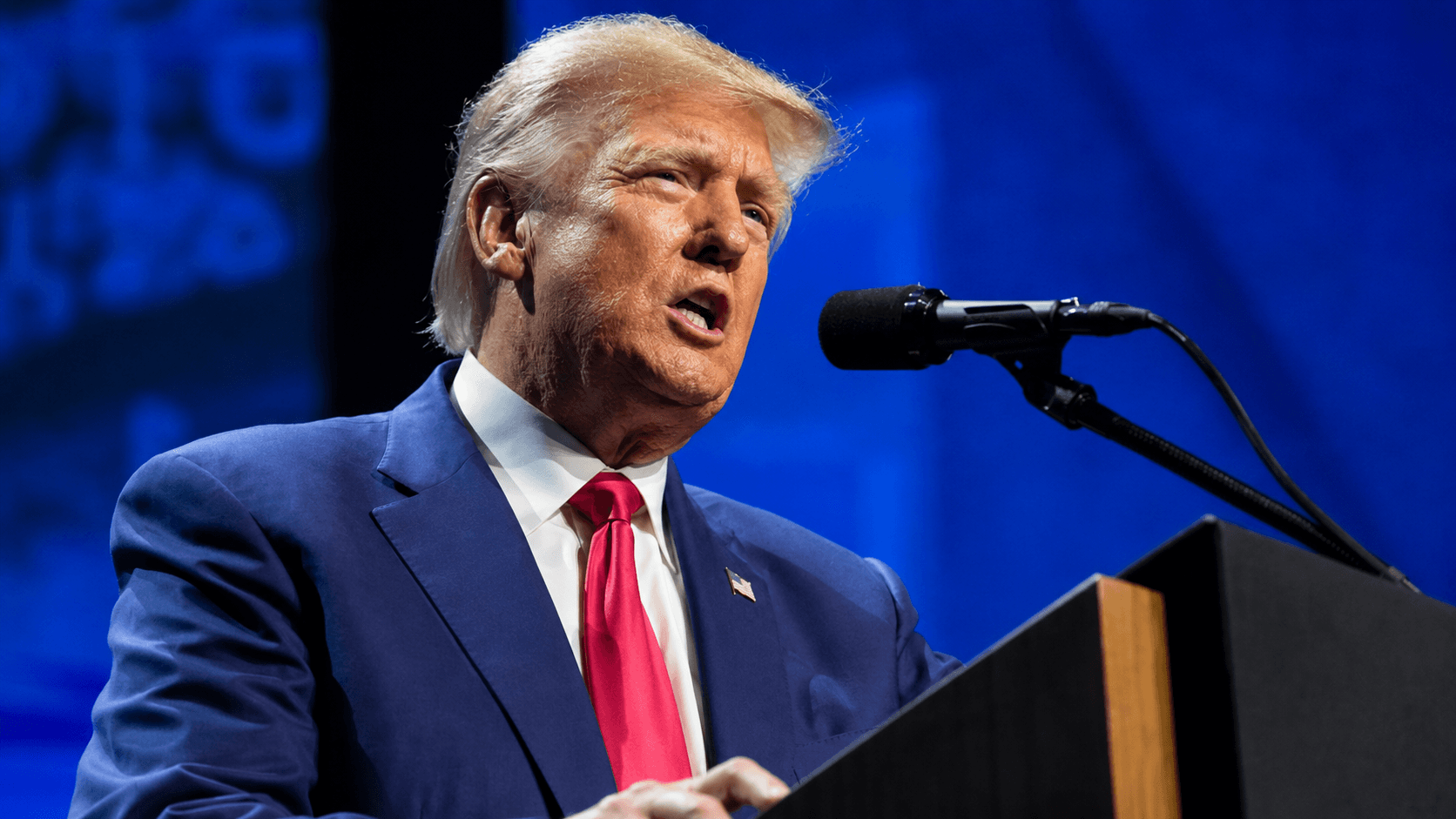
The Trump administration filed a 20-page amicus brief this week backing OpenAI in its copyright fight with The New York Times, arguing that training large language models on copyrighted material qualifies as fair use. The filing lands in the US District Court for the Southern District of New York, where the Times is seeking to establish that OpenAI's ingestion of its articles to train ChatGPT was unlawful. It is the most direct federal endorsement yet of the legal theory the AI industry has been leaning on since the first training-data suits were filed.
The brief frames the question as one of national competitiveness rather than authorship. It cites an executive order President Donald Trump signed last year directing the federal government to preserve US leadership in artificial intelligence, and argues that a narrow reading of fair use would kneecap that goal. The Department of Justice has no jurisdiction over the case and the brief is not a ruling, but executive-branch positions of this kind routinely surface in judicial reasoning.
The Times sued OpenAI over the use of its articles to train the models behind ChatGPT, one of a wave of publisher lawsuits targeting AI labs. Similar cases have been filed against the makers of Claude and Gemini, all of which were trained on datasets that include copyrighted books, articles, and other published work scraped without licensing agreements. The publishers argue that this ingestion is straightforward infringement; the labs argue it is transformative use protected by the fair-use doctrine.
Key facts
- 01The Trump administration filed a 20-page amicus brief in the Southern District of New York backing OpenAI's fair-use defense against The New York Times.
- 02The brief cites an executive order signed last year on retaining US global leadership in AI as the policy basis for the intervention.
- 03Anthropic paid a $1.5 billion settlement last year in a related case, but Judge William Alsup ruled the training itself was fair use — the fine was for pirated source books.
- 04The brief is not a ruling and the DOJ has no jurisdiction over the case, but the executive-branch position could still influence the court.
So far the courts have leaned toward the labs on the training question itself. Last year, Judge William Alsup ruled that Anthropic's use of copyrighted books to train its models qualified as fair use, comparing the process to a human reader learning to write. Anthropic still paid a $1.5 billion settlement in that case — but the liability came from its use of pirated shadow libraries to source the books, not from the training itself. The distinction matters: it lets labs keep training on copyrighted text so long as the acquisition is clean.
The Trump administration's brief leans on that logic. It warns that a broad ruling against OpenAI would create a chilling effect across the sector, and argues the fair-use carve-out was designed precisely for transformative technical work of this kind. The filing does not address the separate question of whether models can reproduce protected text verbatim on demand, which is one of the Times's central complaints.
The Times has argued that ChatGPT can be prompted to output near-verbatim passages from its articles, and that OpenAI's product competes directly with the newspaper's own business. That framing sits uneasily with the Alsup ruling's reader-becomes-writer analogy, and it is the front on which the Times is most likely to press its case. OpenAI has not admitted that verbatim reproduction is a systemic behavior of the model.
“Like any reader aspiring to be a writer, Anthropic's LLMs trained upon works not to race ahead and replicate or supplant them — but to turn a hard corner and create something different,”— William Alsup, US District Judge
OpenAI has denied that its training constitutes infringement and has publicly argued that fair use is essential to the development of frontier AI systems. The company has signed licensing deals with several other publishers in parallel, a strategy that hedges the legal fight while keeping the doctrinal argument alive. If the Southern District rules against OpenAI, those licensing arrangements would likely become the industry default rather than an optional business layer.
The Times has not yet responded to the DOJ filing in court, and the case remains at an early stage. A ruling on the underlying fair-use question is not expected in the near term, and either side is almost certain to appeal whatever the district court decides. The Anthropic settlement is instructive here — the training question was resolved in the lab's favor, but the pirated-source finding still cost the company $1.5 billion.
The intervention marks a clear alignment between the federal government and the frontier AI industry on the core legal question of how these models get built. It signals to other district courts weighing similar suits that the executive branch views expansive fair-use protection as national policy, and it gives OpenAI a rhetorical asset it can cite in every future filing. For publishers, it narrows the path to a training-data injunction and pushes the fight toward output-side claims and licensing negotiations — a fight they can still win, but on smaller ground than they set out to contest.

Working on something we should cover, or seeing a story we missed? Send leads, documents, or feedback to hello@aichatdaily.com. For sensitive tips, see our secure tips page for Signal and PGP options.
Spotted an error? Email hello@aichatdaily.com with the URL and the issue, or read our full corrections policy.