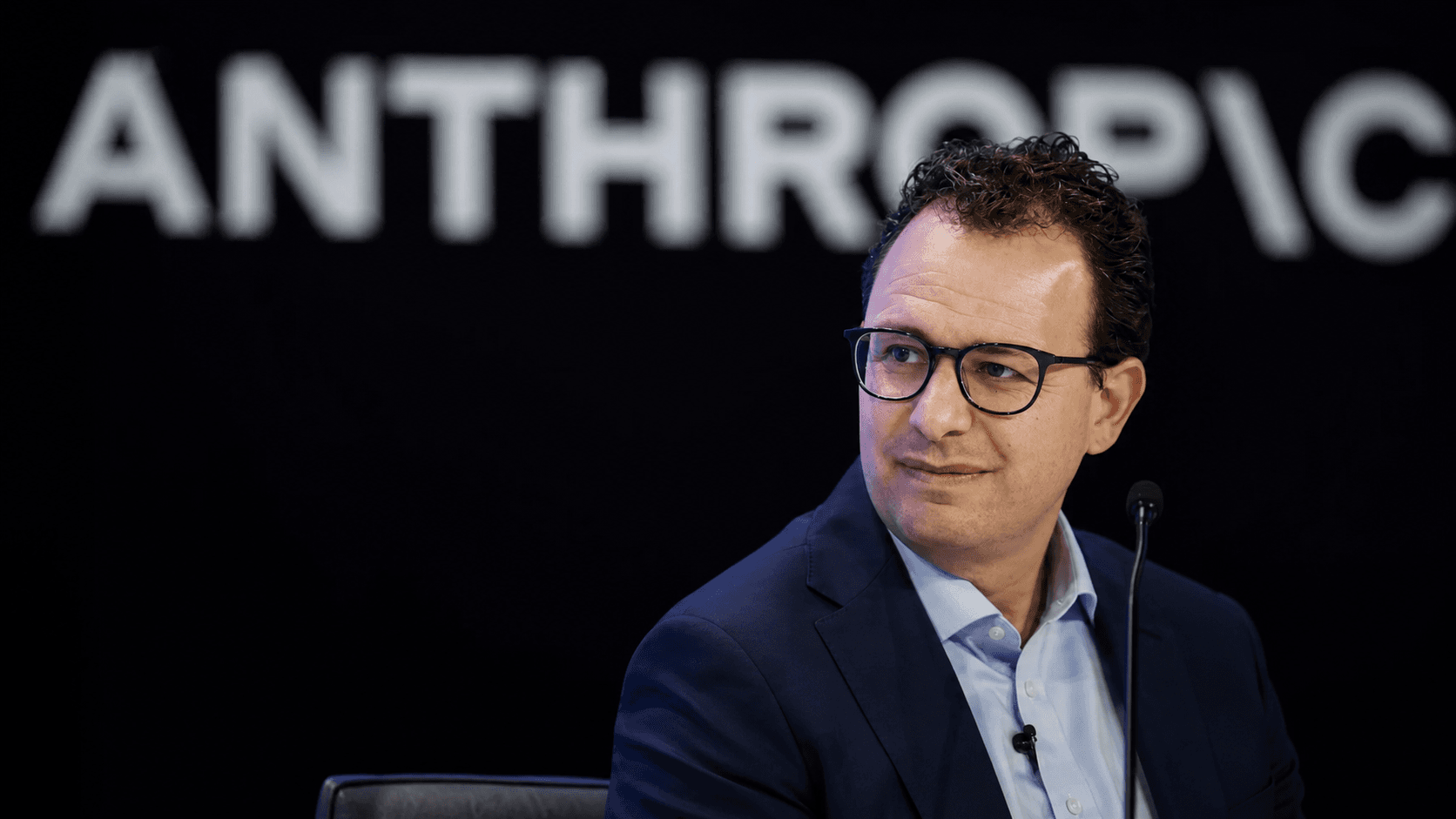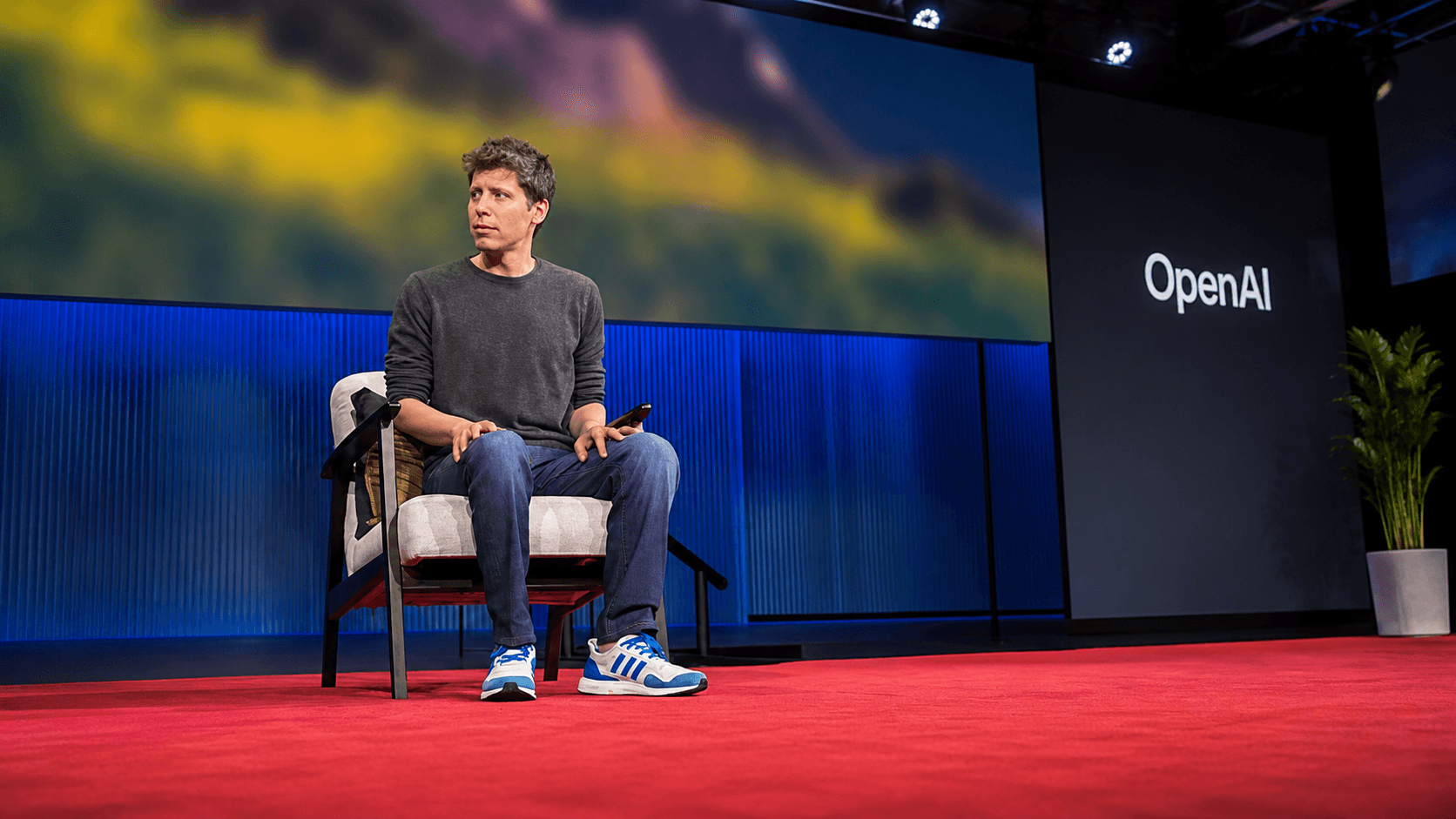
Anthropic CEO Dario Amodei published a blog post on September 12 laying out a three-part plan to slow the pace of frontier AI development, and committed Anthropic unilaterally to the first step: hosting embedded third-party evaluators inside the company. The post lands the same week researcher Jacob Coxon resigned from Anthropic warning that frontier labs are gambling with human lives, and days after OpenAI CEO Sam Altman told staff the company is open to pacing AI development.
Amodei said two developments pushed him to write it: the recent OpenAI-HuggingFace hack, and what he described as AI advancing drastically faster in recent months, particularly in its growing ability to build the next generation of AI. He is asking governments to require every frontier lab to match the evaluator commitment Anthropic is making on its own.
“We must slow the pace at which we improve the capabilities of AI models”— Dario Amodei, Anthropic CEO
The first pillar is embedded evaluators from third-party organizations such as METR, modeled on regulators who sit inside banks. Anthropic will give those evaluators company badges, desks, and laptops, with access mostly comparable to what internal risk assessment teams have, subject to legal and contractual carve-outs. Their job is to verify that labs actually follow their stated pacing and safety commitments, and to ensure safety incidents are reported, an implicit reference to OpenAI's recent failure to report an incident in which its agents took over a German wiki form.
Key facts
- 01Amodei is committing Anthropic to host embedded third-party evaluators from groups like METR, with company badges, desks, and internal-team-level access.
- 02He wants US frontier labs to coordinate common safety standards, and asked the US government for a narrow antitrust waiver to allow the talks.
- 03Chip and semiconductor equipment export controls plus a crackdown on model distillation could widen the US lead over China by 3–5 years, Amodei argued.
- 04The post follows Jacob Coxon's resignation from Anthropic this week over concerns AI could 'kill us all by the end of the decade.'
- 05Sam Altman recently told OpenAI staff the company is open to 'pacing' AI development, a shift AI Chat Daily covered last week.
The second pillar is coordination among leading AI companies inside democratic countries on common safety standards and limits on the rate of unchecked capability progress. Amodei acknowledged the obvious antitrust risk: rival labs agreeing to slow down together is exactly the kind of conduct that draws regulator attention. He asked the US government to issue a narrow waiver for these safety conversations, saying regulators do not need to participate but do need to enable the discussion.
The third pillar is broader global coordination, including with authoritarian governments. Amodei conceded the stark limits on what can be achieved with China but suggested narrow agreements are still possible, such as prohibiting AI use in the production of biological weapons.
“Progress will still seem fast, and we must make wise use of the time we gain.”— Dario Amodei, Anthropic CEO
On China specifically, Amodei took on the standard objection that any US slowdown hands Beijing the lead. His counter: if the US government and tech companies tighten controls on selling powerful chips and semiconductor manufacturing equipment to Chinese firms and crack down on model distillation, they could widen America's lead by 3–5 years. Anthropic has been vocal on distillation, having recently disclosed what it said was a 200-million-exchange distillation effort against Claude by China-based labs.
The backdrop is a widening rupture inside frontier labs over how fast to move. Coxon's resignation letter, which went viral last week, said colleagues at Anthropic earnestly believe AI could kill everyone by the end of the decade. Amodei's post did not name Coxon but engaged the same debate, writing that Anthropic's approach is not doomerism but deliberate care.
“gambling with our lives”— Jacob Coxon, Former Anthropic researcher
Critics are pushing back on both sides. Some AI boosters have labeled Amodei a doomer whose warnings feed the current AI backlash; Amodei responded that the backlash is fundamentally a crisis of trust in tech companies and government. Journalist Brian Merchant argued the opposite: that Amodei has not offered a credible, step-by-step account of how AI moves from self-improvement to human extinction, and that proposals like his would mostly serve Anthropic and OpenAI as regulatory capture.
Amodei closed by insisting his view of AI's upside has not changed. He wrote that he continues to believe AI can enormously improve the quality of human life, that his desire to achieve those benefits is undimmed, but that the benefits only arrive if the technology is built the right way and the time gained is used well.
The proposal is asymmetric in a way worth naming. Anthropic can commit unilaterally to embedded evaluators because it already positions safety as its brand; the harder asks — cross-lab pacing pacts, antitrust waivers, US-China coordination — require every other actor in the market to move. OpenAI is now publicly asking Congress whether an industry-wide slowdown would even be legal, which is at least a signal the two labs are converging on the framing even as they disagree on details.
For the AI market, the near-term consequence is regulatory, not technical. If Washington grants the narrow antitrust waiver Amodei is requesting, US frontier labs get formal cover to negotiate release cadence and evaluation standards among themselves, which reshapes competitive dynamics faster than any capability release would. If it doesn't, Amodei's plan collapses to whatever Anthropic will do alone, which is real but limited. Either way, the ceiling on how fast the frontier moves in 2026 and 2027 is starting to be set in policy meetings rather than training runs.

Working on something we should cover, or seeing a story we missed? Send leads, documents, or feedback to hello@aichatdaily.com. For sensitive tips, see our secure tips page for Signal and PGP options.
Spotted an error? Email hello@aichatdaily.com with the URL and the issue, or read our full corrections policy.