Anthropic has confidentially filed paperwork to go public at a $965 billion valuation, beating OpenAI to the IPO window and setting up one of the largest listings in market history. The company has not disclosed a target date or raise size, but the filing puts it ahead of OpenAI and xAI in a three-way race to the public markets that is reshaping San Francisco's economy before a single share trades.
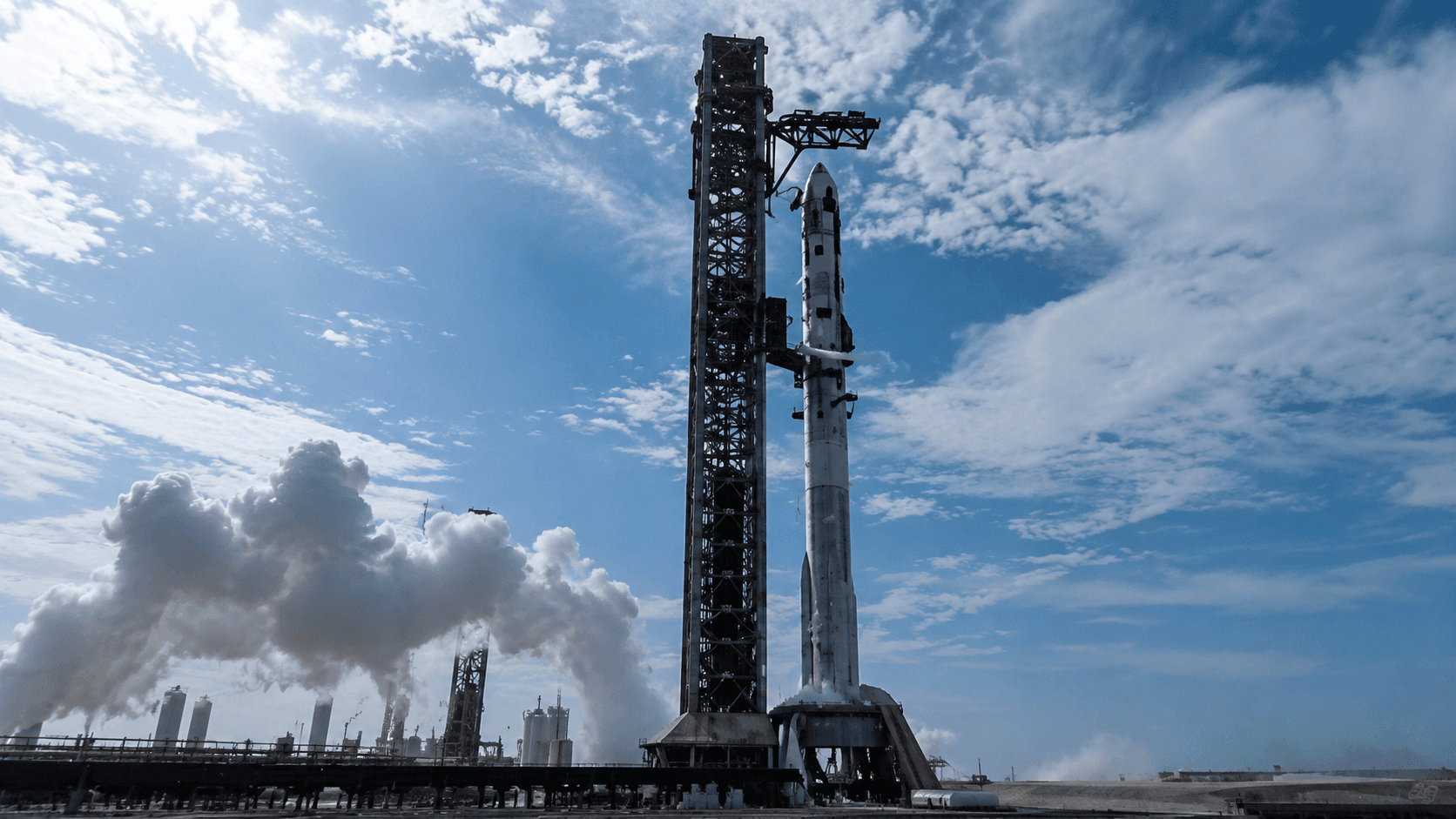
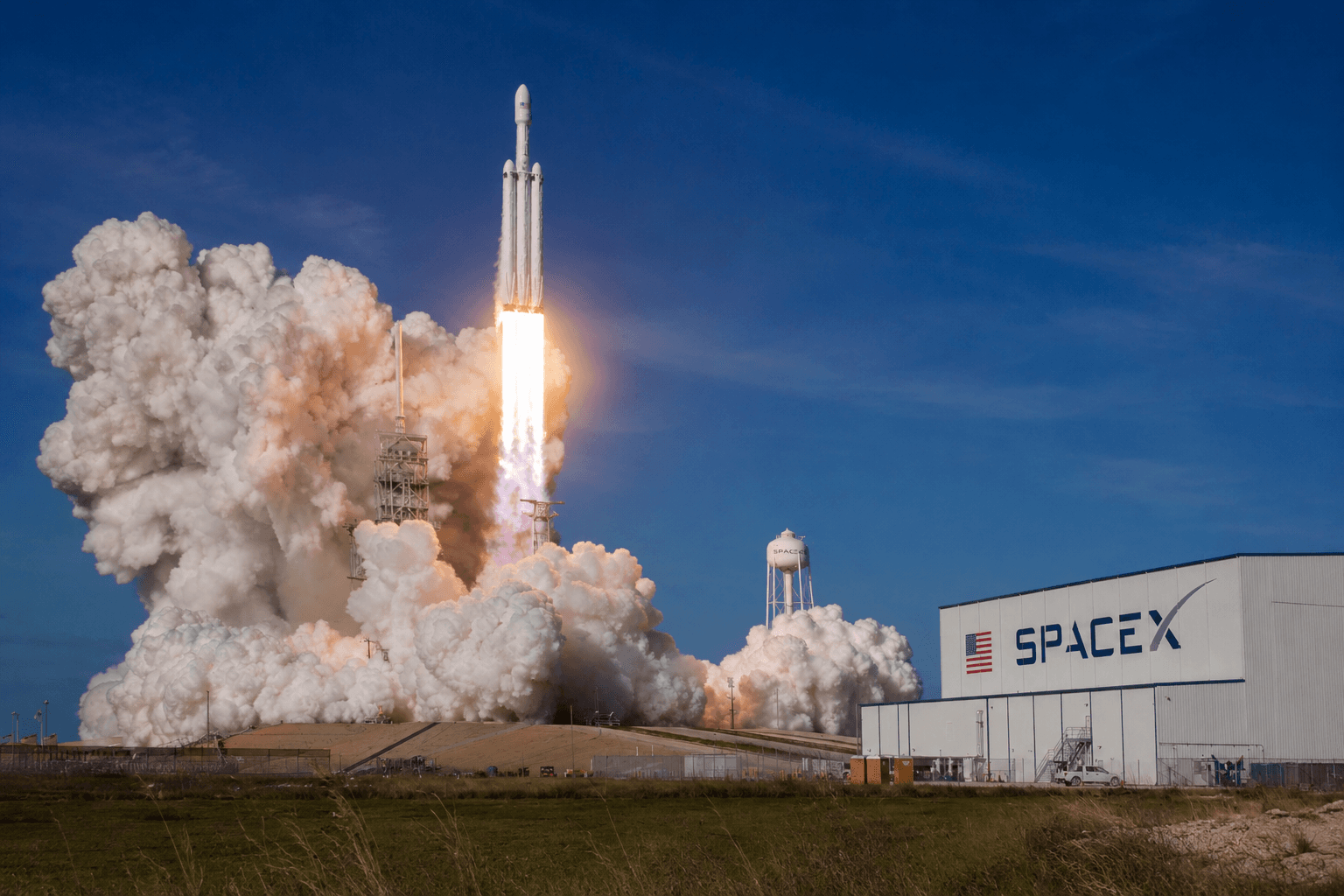
SpaceX-owned xAI has already filed its own paperwork and is expected to debut in June. OpenAI is rumored to follow with its own filing imminently, though the company has publicly insisted the order does not matter. Anthropic disclosed its filing confidentially and then announced it broadly, a sequencing choice that maximized attention while keeping the financials sealed.
The race matters because the three filings would collectively unlock more pre-IPO wealth than any prior cohort of private tech companies. Anthropic alone, at $965 billion, would list at a valuation larger than all but a handful of public companies on Earth. OpenAI's last private mark and xAI's SpaceX-linked structure suggest the combined market capitalization at debut could clear $2 trillion across the three names.
Key facts
- 01Anthropic filed confidential IPO paperwork at a $965 billion valuation, on track to be one of the largest listings ever.
- 02SpaceX-owned xAI has already filed and is expected to go public in June; OpenAI is rumored to file imminently.
- 03San Francisco real estate listings are quoting prices in [Anthropic](/claude) and [OpenAI](/openai) stock, with one seller refusing OpenAI shares.
- 04Anthropic policy voids any employee share sale that lacks board approval, complicating the housing trade.
Asked whether OpenAI had filed or planned to, the company replied: "We are not going to comment, confirm, deny, speculate, pontificate, or elaborate." The line, reported by WIRED, captured the posture of a company that publicly downplays the sequencing while privately preparing the same paperwork. OpenAI has said it does not matter who goes public first, a stance easier to hold before Anthropic's filing than after.
“We are not going to comment, confirm, deny, speculate, pontificate, or elaborate.”— OpenAI, company statement
Going public requires the kind of operational discipline that these companies have historically lacked. Audited financials, internal controls, board governance, and quarterly reporting cadences are not what frontier AI labs were built for. SpaceX was the cleanest of the three until its forced absorption of xAI dragged it into the same regulatory and accounting complexity as the rest of the field.
The downstream effects are already visible in San Francisco real estate. Multiple home listings are now accepting Anthropic or OpenAI stock in lieu of cash, according to a WIRED report by freelancer Arielle Pardes. One listing specified Anthropic stock only — not OpenAI — because the seller preferred Anthropic's products. Realtors told WIRED that buyer interest, particularly from Anthropic employees, has been substantial.
How these trades clear is an open question. The shares are not publicly traded, the companies have not set conversion mechanics, and Anthropic's own policy voids any employee share sale that lacks board approval. WIRED's Zoë Schiffer noted that "if you try to sell your Anthropic shares without board approval, then that transaction is not valid." Realtors, when pressed on the mechanics, largely said they would figure it out.
“it is a reminder of how many billionaires are about to hit the streets in San Francisco”— Brian Barrett, WIRED executive editor
The phenomenon points at a structural fact: a meaningful slice of Anthropic and OpenAI staff are paper millionaires, and some are paper billionaires, with enough equity to part with $2 million worth of stock and barely notice. Once the IPOs clear, those paper marks convert to liquid wealth on a timeline measured in months. The housing market is pricing that in early.
None of this is guaranteed. IPO windows close. Anthropic's $965 billion mark assumes continued revenue growth, durable enterprise demand for Claude, and a public market willing to underwrite frontier-model capex at private-round multiples. xAI carries Elon Musk's legal and operational overhead. OpenAI's corporate structure — the for-profit conversion, the Microsoft relationship, the safety board — remains the most complicated governance story in tech, and SEC reviewers will read every word of it.
The bigger consequence is competitive. Public listings impose disclosure: revenue, gross margin, compute costs, customer concentration, churn. For the first time, the AI industry will have audited numbers to argue over, not leaked decks. The labs that have spent two years claiming the lead based on benchmark scores and selective revenue figures will have to defend those claims in 10-Ks. That will be clarifying for investors, painful for whichever company turns out to be running thinner than its private valuation implied, and a permanent shift in how the AI race is scored.

Working on something we should cover, or seeing a story we missed? Send leads, documents, or feedback to hello@aichatdaily.com. For sensitive tips, see our secure tips page for Signal and PGP options.
Spotted an error? Email hello@aichatdaily.com with the URL and the issue, or read our full corrections policy.