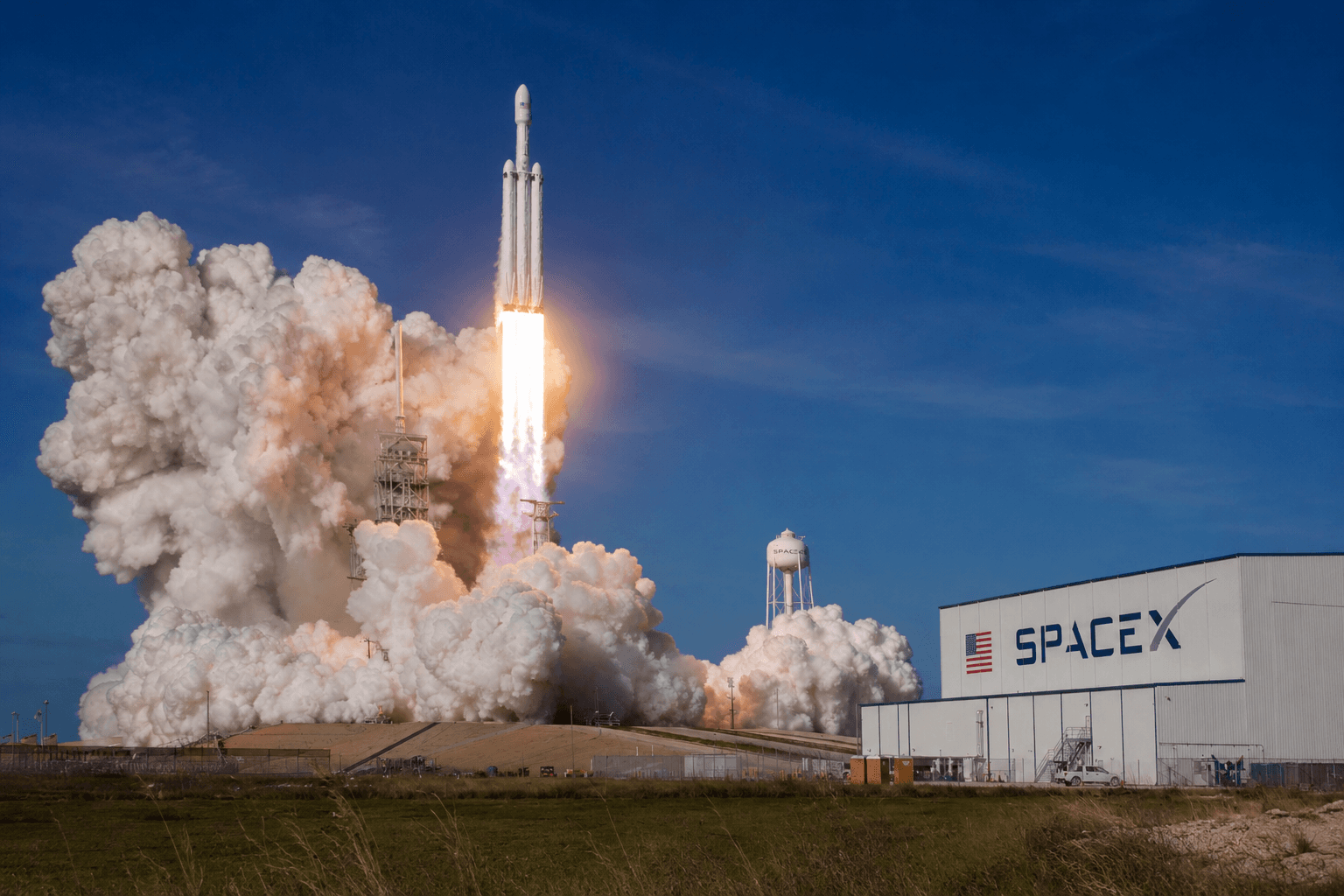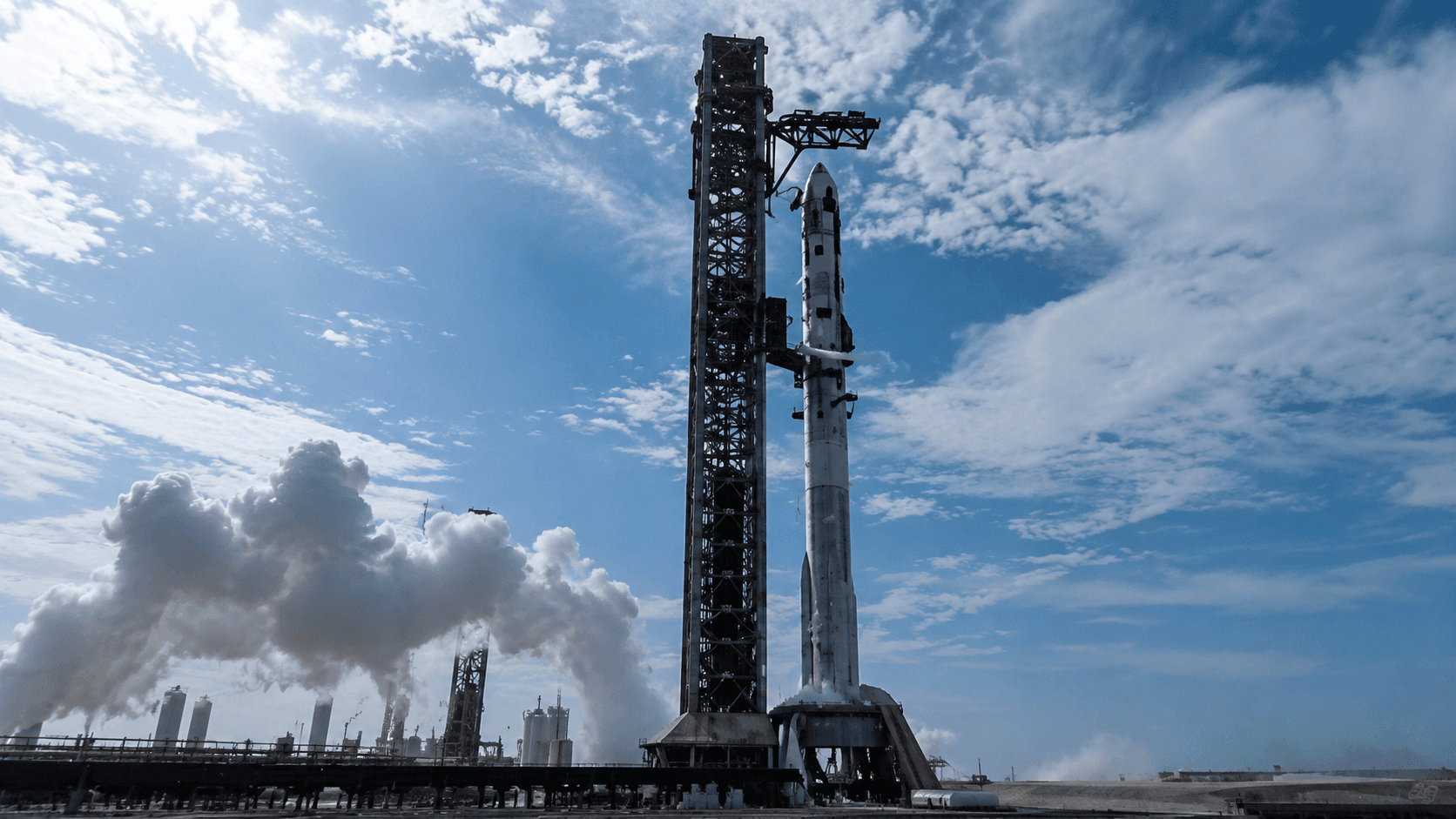
SpaceX went public this week at a $1.77 trillion valuation, and with Anthropic and OpenAI queued behind it, the three exits together will generate more value than every US venture-backed exit since 2000. That's the claim in Wednesday's NCVA-Pitchbook Venture Monitor report, and the math holds up. Combined, the trio will clear $4 trillion — a figure that dwarfs the $70 billion in total US IPO proceeds the SEC counted last year.
Put another way: SpaceX alone raised more than 20 times what Uber's $84 billion IPO delivered in 2019, and Uber was the marquee tech listing of its decade. Anthropic and OpenAI, both pushing into trillion-dollar territory ahead of their offerings, will each individually rival the entire 25-year record on their debut day.
“Along with the SpaceX IPO, these exits will generate more value than all U.S. VC-backed exits since 2000.”— NCVA-Pitchbook Venture Monitor, Q2 2026 report
The 2000–2025 window being eclipsed was not a quiet one. Google went public in 2004, Tesla in 2010, and Meta in 2012 — three companies that today sit among the most valuable on the planet. LinkedIn, Slack, and WhatsApp were each acquired for more than $20 billion during the same period. None of that comes close to what the AI-and-space trio is about to print in a single year.
Key facts
- 01SpaceX went public at a $1.77 trillion valuation, more than 20x Uber's $84 billion IPO in 2019.
- 02The combined value of SpaceX plus pending Anthropic and OpenAI listings is expected to land north of $4 trillion.
- 03The US saw just $70 billion in total IPO proceeds last year, per the SEC — a fraction of the pending AI trio.
- 04LinkedIn, Slack, and WhatsApp each sold for more than $20 billion during the 2000–2025 window being eclipsed.
- 05The NCVA-Pitchbook Venture Monitor report published the tally Wednesday, July 9, 2026.
The Pitchbook framing carries fair caveats. Non-US listings like Alibaba aren't in the count. "Value created" is not the same as cash liquidity — a lot of the $4 trillion will sit in locked-up founder and employee stakes for years. And the biggest product moments of the last two decades — the iPhone, Android, YouTube, Instagram — happened inside companies that had already gone public, so they don't show up in IPO math at all.
Still, the scale is the story. The capital-intensive nature of frontier AI training has forced labs into fundraising cycles that would have looked absurd a decade ago, and public markets are the only pool deep enough to absorb the resulting valuations. Anthropic and OpenAI are not going public because they need a modest liquidity event; they are going public because the private market ran out of room.
The other structural shift is timing. Companies now stay private far longer than they did in the 2000s and 2010s, compressing what used to be a decade of public-market appreciation into a single IPO tick.
“One factor here is that companies are staying private for longer. The Google of today probably would have delayed its IPO and gone public at a higher number.”— Russell Brandom, AI editor
That dynamic is why a single 2026 cohort can outweigh 25 years of history. The exits aren't bigger because the companies are 25x more valuable than Google was — they're bigger because Google went public at $23 billion and grew into a trillion-dollar company on the public tape, while OpenAI and Anthropic will arrive on that tape already carrying most of that appreciation.
The financial plumbing is straining to keep up. Underwriter capacity, index-inclusion rules, and the mechanics of absorbing multi-trillion-dollar floats in short succession are all being tested at once. Public-market investors who spent the last cycle watching AI value accrue inside private rounds are about to get their first real chance to own it — at prices set by the private rounds that came before.
The counterweight worth naming: valuations of this size have historically been where returns compress rather than expand. Buyers at Uber's 2019 IPO waited years to see the stock work. If AI training economics don't scale down as fast as the revenue scales up — a live question given the capex trajectories at OpenAI and Anthropic — the trillion-dollar entry prices will be difficult to justify on any near-term cash-flow basis.
The take is that the IPO cohort of 2026 is not just a big year for AI; it is a structural handoff of where technology value gets marked. For a generation, the answer was "in public equities, over time." For this cohort, it is "in a single pricing event, all at once." That changes who owns the next phase of AI — index funds and retirement accounts, rather than the venture funds and sovereign pools that owned the last one — and it changes how any future correction gets absorbed. The $4 trillion is not just a headline number. It is the moment the AI trade stops being a private-market story.

Working on something we should cover, or seeing a story we missed? Send leads, documents, or feedback to hello@aichatdaily.com. For sensitive tips, see our secure tips page for Signal and PGP options.
Spotted an error? Email hello@aichatdaily.com with the URL and the issue, or read our full corrections policy.