Cerebras Systems is pricing its IPO to sell 28 million shares at $115 to $125 apiece, a deal that would raise $3.5 billion and value the AI chipmaker at $26.6 billion at the top of the range. Banks are already fielding $10 billion of orders for the offering, suggesting the final price will land above the announced range. If it clears, this becomes the largest tech IPO of 2026 to date, and a direct read on public-market appetite for SpaceX, OpenAI, and Anthropic should they follow.
The valuation step-up is sharp. Cerebras raised $1.1 billion in September at an $8.1 billion post-money mark, then a $1 billion Series H in February at $23 billion. The IPO range pushes that to $26.6 billion in roughly three months, a 3.3x lift from September and a 16% bump over the February round. Late-stage investors who came in at the Series H price are looking at a quick paper gain.
Cerebras sells the Wafer-Scale Engine 3, an inference-focused chip the company pitches as faster and lower-power than GPU-based alternatives. Inference — the compute used to run a trained model against a user prompt — is the part of the AI compute stack growing fastest as deployments scale, and it's the wedge Cerebras is using against incumbents.
Key facts
- 01Cerebras plans to sell 28 million shares at $115 to $125, raising $3.5 billion at a $26.6 billion market cap at the high end.
- 02OpenAI loaned Cerebras $1 billion in December, secured by warrants for over 33 million shares.
- 03Banks are already fielding $10 billion in orders for the $3.5 billion of shares offered.
- 04The $26.6 billion target is roughly 3.3x the $8.1 billion post-money valuation Cerebras hit in September.
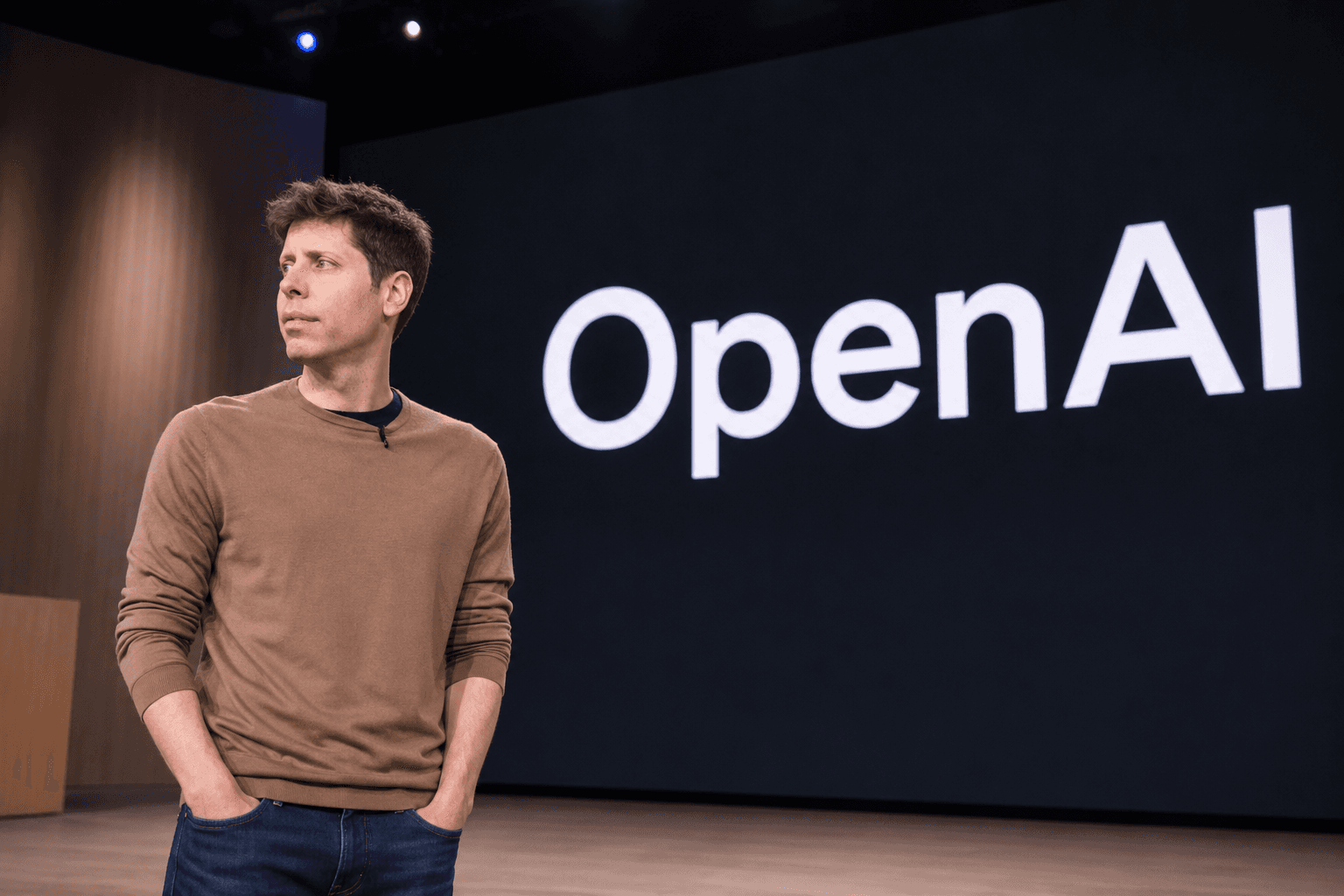
- 05Sam Altman, Greg Brockman, Ilya Sutskever, and Adam D'Angelo are among the angel investors disclosed in the S-1.
The OpenAI relationship is the most consequential thread in the S-1. In December, OpenAI loaned Cerebras $1 billion, secured by warrants that let OpenAI purchase over 33 million shares. At the IPO midpoint of $120, those warrants are worth roughly $4 billion in stock — meaning OpenAI, currently not a 5% shareholder, could become one of the largest holders if it exercises. The two companies also signed a multi-year agreement worth more than $10 billion.
“Banks are fielding $10 billion in orders for the $3.5 billion of shares on offer, signaling the IPO will likely price above the $125 top of the range.”— Jaeden Schafer
Sam Altman, Greg Brockman, Ilya Sutskever, and Adam D'Angelo are all named as angel investors. Altman's stake wasn't large enough to require disclosure under the 5% threshold, but he was quoted in the S-1 itself — an unusual courtesy from a customer CEO. Elon Musk's attorneys cited the web of OpenAI executive investments in Cerebras as evidence in the ongoing OpenAI litigation, which we've covered through Musk's testimony in Oakland over the past two weeks.
The shareholder list above the 5% threshold runs through Rick Gerson's Alpha Wave, Benchmark via Eric Vishria, Lior Susan's Eclipse, Fidelity, and Foundation Capital via Steve Vassallo. Other holders include 1789 Capital, Abu Dhabi Growth Fund, G42, Altimeter, AMD, Atreides Management, Coatue, Moore Strategic Ventures, Tiger Global, Valor Equity Partners, and VY Capital. The angel roster also includes Sun Microsystems and Arista co-founder Andy Bechtolsheim.
Cerebras tried to go public once before, in 2024, and shelved the attempt during a federal review of G42's investment. G42, the Abu Dhabi cloud provider, remains a major customer, and the company says the regulatory cloud has cleared. The September 2025 round at $8.1 billion was the bridge that kept Cerebras funded after the first IPO attempt collapsed.
Customer concentration is the obvious caveat. With OpenAI representing a $10 billion-plus multi-year contract and G42 as another anchor, the company's revenue base leans on a small number of buyers whose own demand curves are themselves subject to AI capex swings. Morgan Stanley's most recent forecast pegs 2026 hyperscaler capex at $805 billion, but that number is itself a projection — and Cerebras is not selling into the hyperscaler core, where Nvidia dominates.
The other open question is whether Wafer-Scale Engine 3's inference advantages translate at scale against AMD's MI-series and Nvidia's Blackwell deployments now shipping in volume. Cerebras' technical pitch is real, but its commercial validation outside of OpenAI and G42 is still thin in the public filings. A blockbuster IPO does not automatically convert to a durable enterprise customer base.
Still, the demand signal is hard to ignore. $10 billion of orders for $3.5 billion of stock is the kind of cover that gets IPOs priced above their range and trading well above issue. For OpenAI, this is the cleanest example yet of how its compute partnerships convert into financial upside — Cerebras is a customer, a creditor relationship, and now a public equity stake all at once. For the rest of the AI capital stack, Cerebras going out at $26.6 billion is the test case the next round of AI IPOs will be priced against.

Working on something we should cover, or seeing a story we missed? Send leads, documents, or feedback to hello@aichatdaily.com. For sensitive tips, see our secure tips page for Signal and PGP options.
Spotted an error? Email hello@aichatdaily.com with the URL and the issue, or read our full corrections policy.