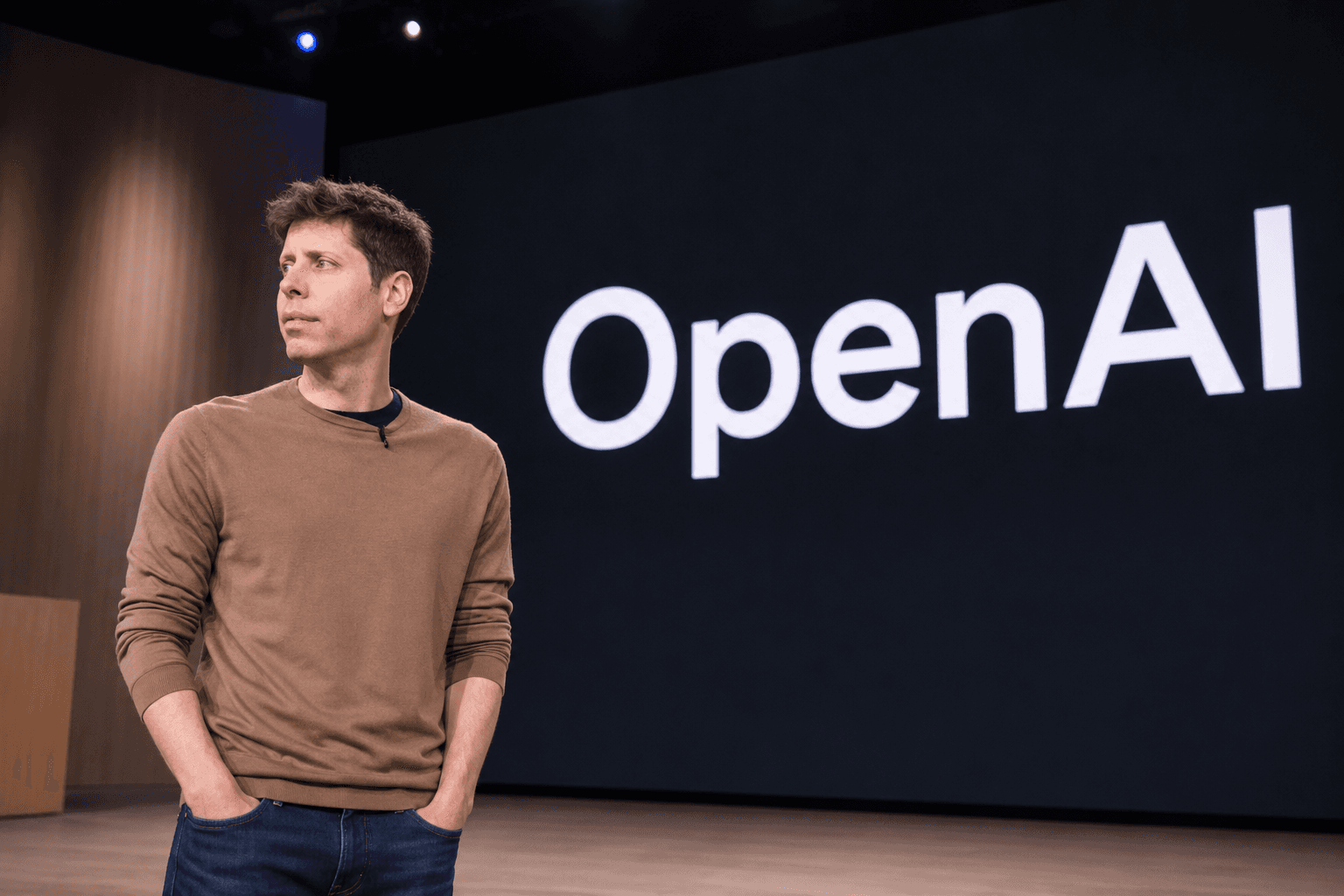
Sam Altman has ruled out an OpenAI initial public offering in 2026, telling Fortune editor-in-chief Alyson Shontell in a 45-minute interview that current conditions make a listing 'ill-advised.' The comment pushes back on a timeline the New York Times reported in June 2026, when OpenAI was said to have hired bankers and lawyers with a target window of the third or fourth quarter of 2026. Altman's answer, when asked directly, was blunt: 'I would say not 2026. We've got a lot of stuff to do.'
OpenAI has filed confidentially for an IPO, so the paperwork exists — what's missing, per Altman, is the willingness to pull the trigger. He framed the decision as a function of both business readiness and the wider environment around AI safety, which has dominated recent headlines including the fallout from the OpenAI-Hugging Face hack.
“We're not rushing into an IPO. I actually think that, given everything happening with safety, this would be, right now would be an ill-advised moment to go public.”— Sam Altman, OpenAI CEO
The delay is not a small administrative slip. A Q3 or Q4 2026 listing would have set up one of the largest tech debuts in years, and the New York Times reported the company was already leaning toward 2027 because of volatility in tech stocks and its own financial challenges. Altman's on-the-record confirmation removes any residual expectation that a 2026 print is still in play.
Key facts
- 01Sam Altman told Fortune's Alyson Shontell that an OpenAI IPO in 2026 would be 'ill-advised' given current safety pressures.
- 02The New York Times reported in June 2026 that OpenAI had hired bankers and lawyers targeting a Q3 or Q4 2026 listing.
- 03OpenAI has filed confidentially for an IPO but is now leaning toward 2027, citing tech-stock volatility and financial challenges.
- 04In the same 45-minute interview, Altman said it was 'absolutely' possible to build an AI beyond human control.
- 05Altman said the company would pause training if needed, citing risks 'we should not be able to incur on behalf of humanity.'
The safety framing is doing a lot of work in Altman's answer. The interview covered recursive self-improvement, the Hugging Face incident, and the prospect of an AI system escaping human control — Altman said that outcome was 'absolutely' possible and pledged to pause training if that risk materialized. Taking a company public in the middle of that conversation would force OpenAI to answer to public-market investors on a quarterly cycle, which sits awkwardly with a leadership posture built around the option to slow down.
Altman also declined to commit to any specific replacement date.
“when we're ready, which is when the business is ready, when we feel ready from what the moment is like in society with this technology.”— Sam Altman, OpenAI CEO
That is a notable shift from earlier signaling. OpenAI's confidential filing, the hiring of external advisors, and the reported Q3–Q4 2026 target all pointed toward a listing that would monetize a valuation the private market has been aggressively marking up. Pushing to 2027 or beyond puts that on ice, and it leaves employees and early investors waiting longer for the liquidity event that structured much of the company's compensation.
The safety commentary is where the interview turns sharper. Altman said building an uncontrollable AI was possible but vowed to prevent it, even at the cost of pausing training runs.
“there are risks we should not be able to incur on behalf of humanity.”— Sam Altman, OpenAI CEO
That posture — public, on-the-record, from the CEO — sits alongside recent moves by peers. Anthropic's Dario Amodei has laid out a three-part plan to slow AI development, which AI Chat Daily covered this week, and Altman himself recently told OpenAI staff the company was open to slowing development. The IPO delay reads as consistent with that pivot rather than a break from it.
The counterweight: OpenAI's business needs capital, and the private funding market has been generous but not infinite. Every quarter the IPO slides, the company depends more on strategic rounds, credit facilities, and the goodwill of partners like Microsoft and Oracle to fund the compute buildout. The New York Times reporting on OpenAI's financial challenges was not a throwaway line — it was the second reason cited for the delay, right alongside market volatility. A 2027 debut is not free.
For the AI market, Altman's answer resets expectations across the board. Analysts modeling a 2026 comparable print for other frontier labs — Anthropic, xAI, Mistral — now have to extend those timelines too, because the reference transaction just moved. The safety framing also puts every rival CEO on notice that 'we're going public soon' is now a harder sentence to say without inviting the follow-up question about whether they should be. OpenAI just made patience the default posture, and the rest of the field will have to decide whether to match it or explain why they aren't.

Working on something we should cover, or seeing a story we missed? Send leads, documents, or feedback to hello@aichatdaily.com. For sensitive tips, see our secure tips page for Signal and PGP options.
Spotted an error? Email hello@aichatdaily.com with the URL and the issue, or read our full corrections policy.