Europe is moving to build its own AI stack, and the catalyst is Washington. At the Vivatech conference in Paris this month, French president Emmanuel Macron's 'Choose France' initiative tallied more than €100 billion in AI infrastructure pledges, anchored by a €75 billion Softbank commitment to build data centers in France. The backdrop: Anthropic's recent $65 billion fund-raise alone exceeded the total invested in every European and UK AI startup last year combined.
The funding gap is the старting point, not the conclusion. More than 20 nations would need to coordinate to give Europe a credible number-two position in frontier AI, behind the United States and ahead of China. That requires pooling capital, harmonizing regulation, and shifting from a risk-averse posture to a moonshot one — none of which Europe has historically done well.
Aiden Gomez, the CEO of Toronto-based Cohere, made the pitch directly to G7 leaders meeting in Evian-les-Bains, which overlapped with Vivatech. Cohere is stitching together a multinational partnership chain, starting with German firm Aleph Alpha, and recently signed an MOU with Spain's Indra, the country's largest tech company. The framing is 'sovereign-first': pool engineering talent and infrastructure across democracies rather than depend on a single US supplier.
Key facts
- 01Macron's 'Choose France' initiative has secured over €100 billion in AI infrastructure pledges, anchored by Softbank's €75 billion commitment to build data centers in France.
- 02[Anthropic](/claude)'s $65 billion fund-raise exceeded the total sum invested in all European and UK AI startups last year.
- 03A short-lived US export control on Anthropic's Claude Fable model briefly blocked foreign access and even barred Anthropic's own foreign-national staff.
- 04Seven of the eight coauthors of the foundational Transformers paper were foreign-born, including Cohere's Aiden Gomez and Inceptive's Jakob Uszkoreit.
- 05Yann LeCun's Project Tapestry aims to coordinate governments and private industry on an open frontier foundation model.
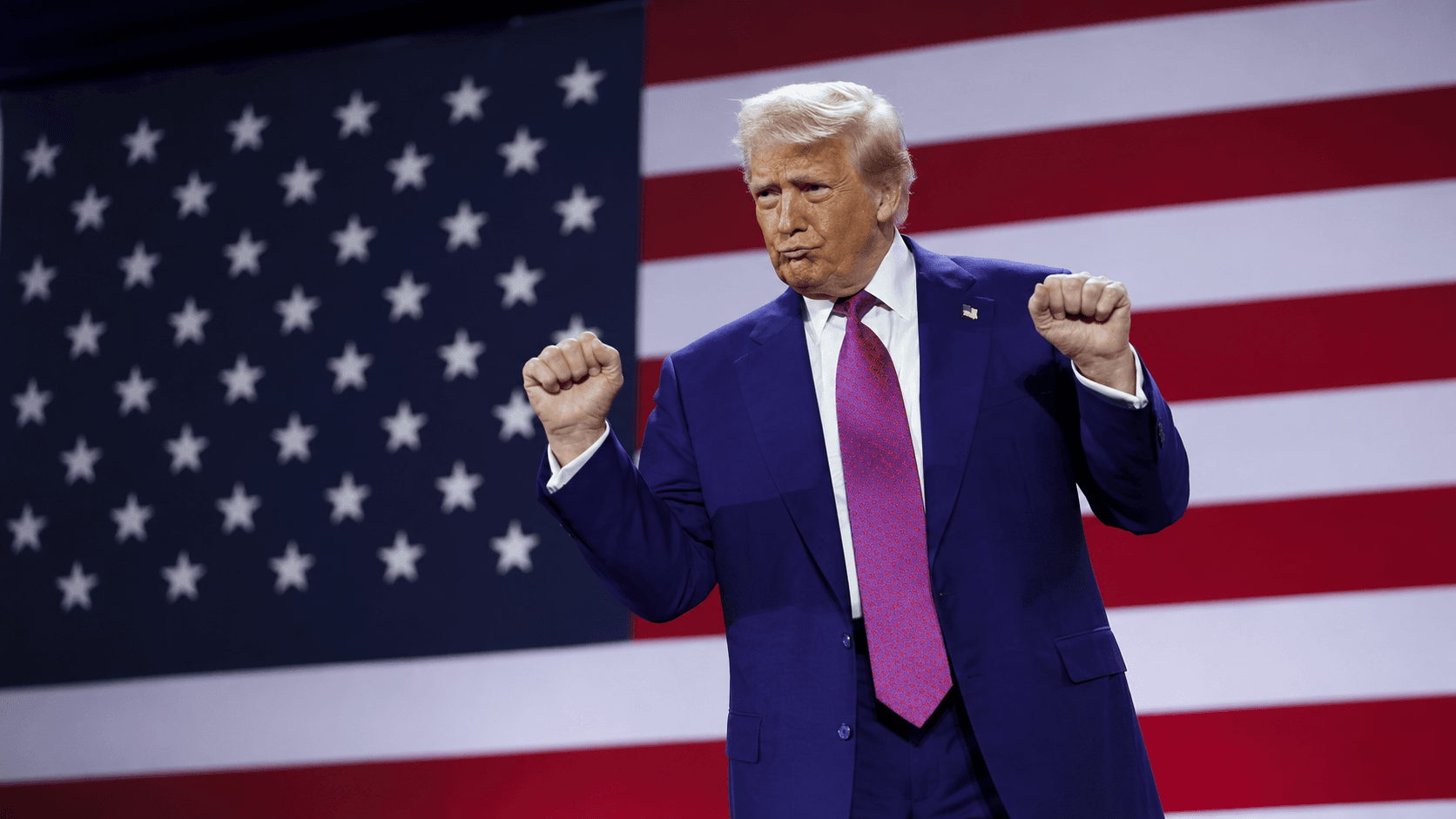
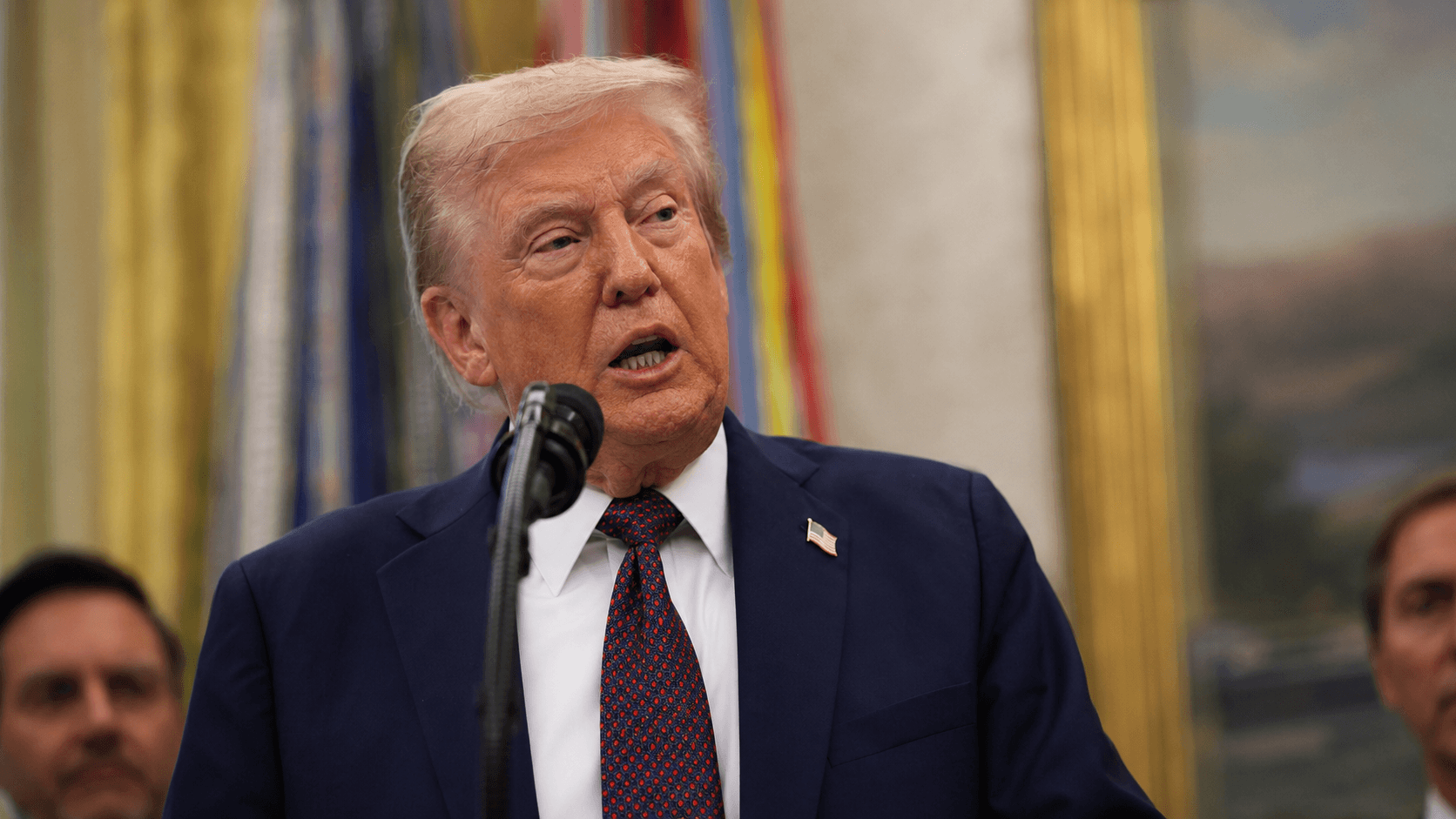
Macron used the G7 stage to warn that if the US continued down a nationalistic AI path, France would go it alone. That message landed harder because of a specific incident earlier in June. The Trump administration moved to place Anthropic's Claude Fable model under strict export controls, denying foreign access — including, remarkably, to Anthropic's own foreign-national employees who helped build it.
Anthropic pulled Fable off the market quickly, but the signal was clear. A European company cannot build a durable product on top of an American model if Washington can revoke access at any time. Whatever the merits of the export-control decision on national-security grounds, from a European buyer's perspective it reframed sovereignty from a political talking point into a procurement requirement.
Yann LeCun, who recently resigned as Meta's chief AI scientist, is pursuing what he calls Project Tapestry — a coordinated effort across governments and industry to build a state-of-the-art open foundation model that any country can fine-tune for its own language and policy context.
The Project Tapestry thesis assumes open models can stay close enough to the frontier to be useful, even as closed labs scale spending. That assumption is testable but not yet proven. The harder question is whether 20-plus governments can agree on governance, compute allocation, and IP terms without strangling the project before it ships.
Talent is the other lever, and here the dynamics have shifted measurably. European enrollment in US universities is down, and Jakob Uszkoreit, CEO of biotech firm Inceptive, says the talent drift away from the US began at the end of Trump's first term and has accelerated under the current administration. Uszkoreit and Gomez are themselves two of the eight coauthors of the original Transformers paper that started the generative AI era — seven of those eight were foreign-born.
Uszkoreit's claim is that the activation energy to rebuild a frontier-grade research team in Europe is lower than it has been in a decade, provided the personal incentives and research conditions are competitive with what Anthropic, OpenAI, and Google DeepMind offer today.
Michael Förtsch, CEO of German chip startup Qant, made the political point bluntly: the attention European AI is now getting would not exist without the Trump administration's posture, and the Fable export controls in particular triggered a new sovereignty discussion across the continent. That is an honest read of the politics, regardless of how one feels about the underlying US policy.
Skeptics have a strong case. Every previous European push to replicate Silicon Valley — from Minitel through dozens of national-champion programs — has produced individual winners but no ecosystem. €100 billion in announced pledges is not €100 billion deployed, and 'pending approvals' is doing significant work in the Softbank data-center number. Aleph Alpha has already pivoted away from frontier model training once. Coordinating 20 governments around a single open foundation model is a governance problem at least as hard as the technical one.
The market read is that European AI sovereignty is now a real procurement category, separate from whether any specific European lab catches the frontier. Sovereign cloud, sovereign inference, and EU-hosted model weights will get bought by European governments and regulated industries regardless of how Project Tapestry performs — and that demand alone is enough to sustain a tier of European AI companies that did not have a clear business model 18 months ago. The export-control episode handed that tier its sales pitch.

Working on something we should cover, or seeing a story we missed? Send leads, documents, or feedback to hello@aichatdaily.com. For sensitive tips, see our secure tips page for Signal and PGP options.
Spotted an error? Email hello@aichatdaily.com with the URL and the issue, or read our full corrections policy.