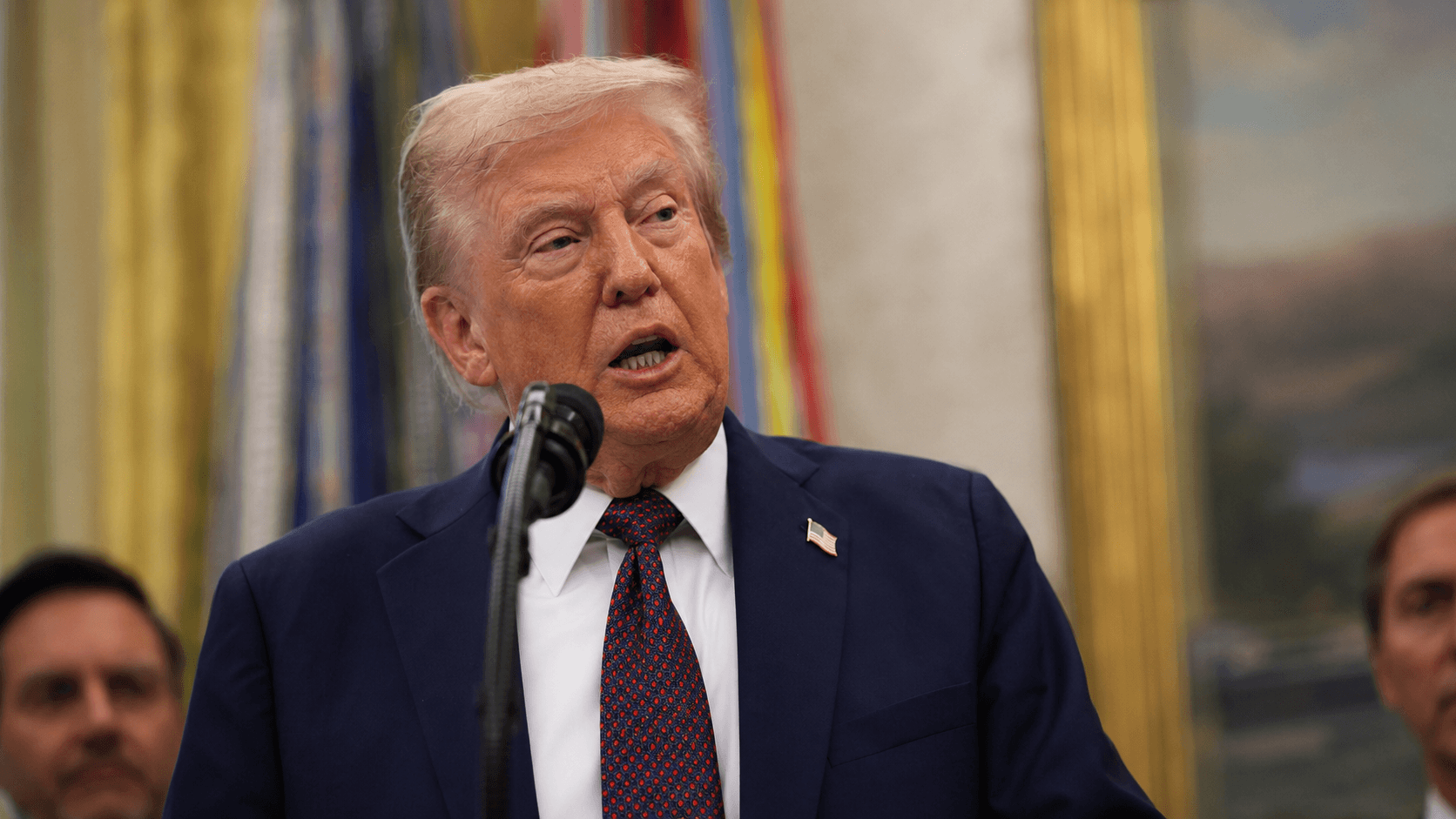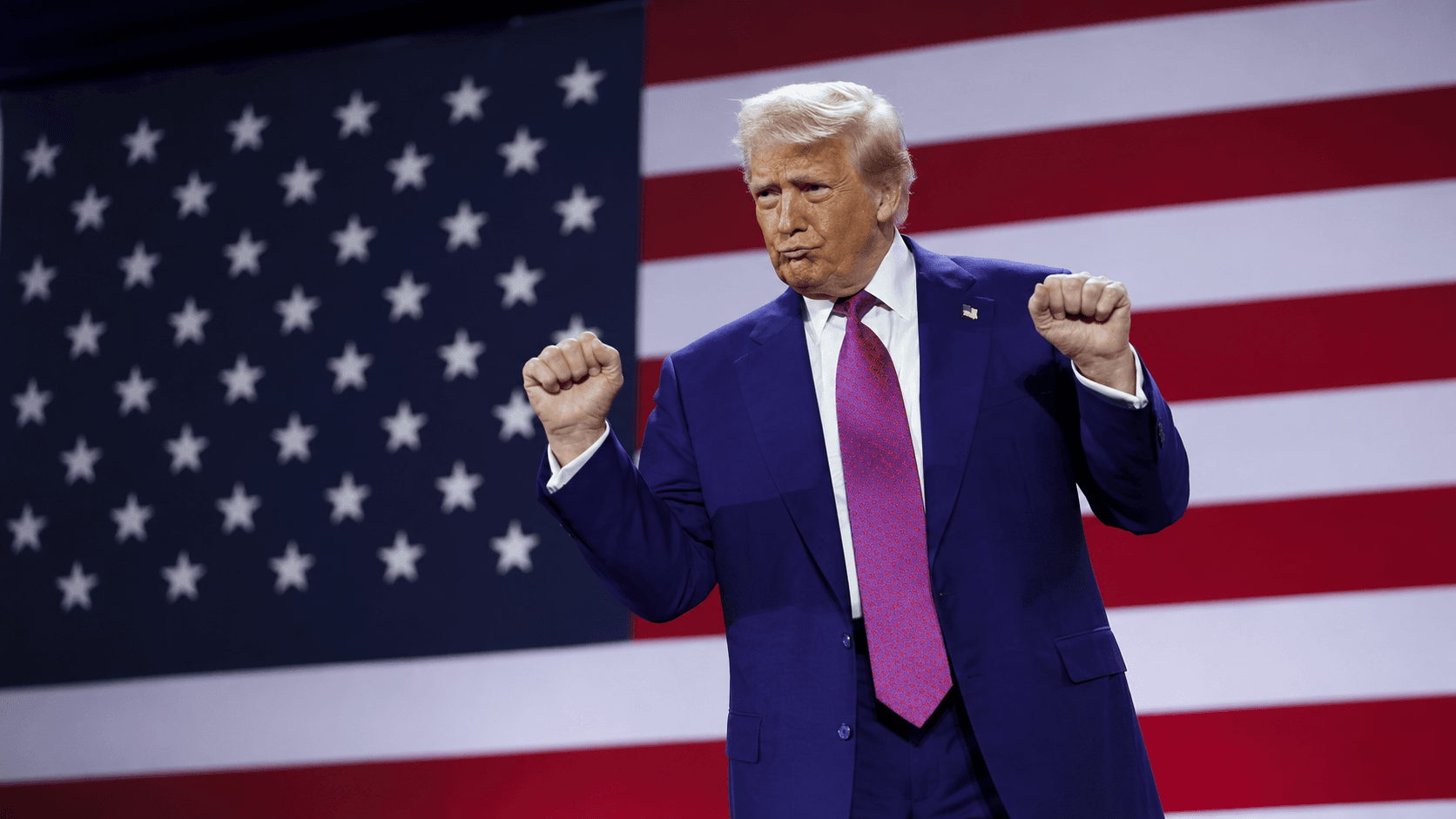
French President Emmanuel Macron and Indian Prime Minister Narendra Modi used a G7 Summit lunch on Wednesday to warn US President Donald Trump, OpenAI CEO Sam Altman, and Anthropic CEO Dario Amodei that Washington's power to cut off foreign access to American AI models has become a structural risk to the global economy. The pressure came days after the Trump administration blocked Anthropic from exporting its newest Mythos 5 and Fable 5 models on national security grounds, stranding international customers without warning. Macron told the room that if the US can flip a switch overnight, the damage will land on European customers and on the American AI firms whose international revenue depends on those customers staying.
The Anthropic export block is the trigger. The order came after Amazon flagged to the White House that certain safety guardrails in the Mythos and Fable models could be bypassed. Cybersecurity researchers have pointed out that the capabilities the government cited are also present in models that remain freely available, including from OpenAI, but Anthropic's models are still on ice with no public timeline for release.
“from one day to the next can turn off the switch”— Emmanuel Macron, President of France
For governments and companies that built infrastructure on top of Claude, the lesson is harder to ignore than a single export ruling. Access can disappear for reasons that are never disclosed, and there is no contractual remedy. A startup in Paris or Bangalore that wired its product into a US frontier model now has to plan for the possibility that the product breaks on a Tuesday because of a White House memo it will never see.
Key facts
- 01French President Emmanuel Macron and Indian PM Narendra Modi pressed Trump, Sam Altman, and Dario Amodei at the G7 Summit over US control of AI access.
- 02The Trump administration blocked Anthropic from exporting its Mythos 5 and Fable 5 models on national security grounds after Amazon flagged safety guardrail concerns.
- 03G7 leaders discussed a 'trusted partners' scheme to grant non-US nations continued access to top models from Anthropic and OpenAI.
- 04Cohere CEO Aidan Gomez said the episode proves reliance on a few US tech companies is dangerous to national resilience.
- 05Cybersecurity experts note the capabilities cited in the Anthropic block also exist in freely available OpenAI models.
Modi told the G7, according to Financial Times reporting cited in coverage of the meeting, that democratic nations must have unfettered access to top AI models to protect critical infrastructure. The framing matters: India is positioning the issue as one of sovereignty and security rather than commerce, which makes it harder for Washington to dismiss as trade friction.
Cohere CEO Aidan Gomez, whose Canadian enterprise AI firm benefits directly from any move toward sovereign alternatives, said the Anthropic episode confirmed a concern Cohere has long flagged. Gomez argued that reliance on a small handful of big US tech companies leaves democratic nations exposed, and framed digital sovereignty as a question of who controls the foundational technology behind economic security for the coming decades. The pitch lands harder this week than it would have a month ago.
“The recent restriction on access to Anthropic's models confirms what we at Cohere have known all along: that companies and democratic nations remaining dependent on a small handful of big tech companies is dangerous to resilience.”— Aidan Gomez, Cohere co-founder and CEO
G7 leaders discussed a 'trusted partners' scheme that would let non-US countries keep access to advanced models from Anthropic and OpenAI, on the condition that the access is used to build defenses against rivals such as China. Both countries and individual companies could qualify as trusted partners. The mechanism is meant to function as an open trade network that routes around US-only export decisions, though the details, including who arbitrates trust and how appeals work, were not settled at the table.
Macron pushed the case that Washington should back the scheme and ensure Mythos access is granted more broadly. His argument was commercial as much as diplomatic: the value of selling US AI internationally collapses the moment buyers price in revocation risk. Enterprise contracts depend on uptime guarantees, and a unilateral export action from the White House is the one outage no vendor SLA can cover.
“Nobody would want to buy U.S. AI access if it could disappear overnight.”— Emmanuel Macron, President of France
The pushback also lands as Europe and other non-US blocs are already attempting to build AI sovereignty programs of their own. The case for sovereignty has been hard to make when American models keep pulling ahead on benchmarks and capability, and no buyer wants to be a generation behind. The Anthropic block changes the math: the cost of dependency is no longer hypothetical, and 'we have our own model that is 18 months behind' starts to look like insurance rather than a compromise.
There is a counterweight worth naming. The Trump administration's case for the Mythos and Fable export block, as relayed via Amazon's flag to the White House, rests on a specific safety concern about guardrails being bypassed. Whether that concern is load-bearing or pretextual will shape how durable the trusted-partners workaround can be. If Washington is willing to override the scheme whenever a domestic actor raises a security flag, the scheme offers foreign buyers less protection than its name implies. Anthropic has not publicly contested the block.
The market consequence for US frontier labs is the part worth watching. Anthropic and OpenAI sell into a global enterprise base, and a meaningful share of forward revenue assumes that international customers keep buying. If Macron's argument lands with procurement teams in Europe and India, the next round of enterprise RFPs will start carrying sovereignty clauses, and Cohere, Mistral, and any sovereign-cloud vendor with a credible model gain a structural opening they did not have a week ago. The kill switch the White House just demonstrated is the best sales pitch the non-US AI industry has been handed all year.

Working on something we should cover, or seeing a story we missed? Send leads, documents, or feedback to hello@aichatdaily.com. For sensitive tips, see our secure tips page for Signal and PGP options.
Spotted an error? Email hello@aichatdaily.com with the URL and the issue, or read our full corrections policy.