Hark raised $700M in a Series A at a $6B post-money valuation to build an AI personal assistant platform and native hardware devices. Parkway Venture Capital led the round, with participation from Align Ventures, AMD Ventures, ARK Invest, Brookfield, Greycroft, Intel Capital, Prime Movers Lab, Qualcomm Ventures, Salesforce Ventures, and Tamarack Global.
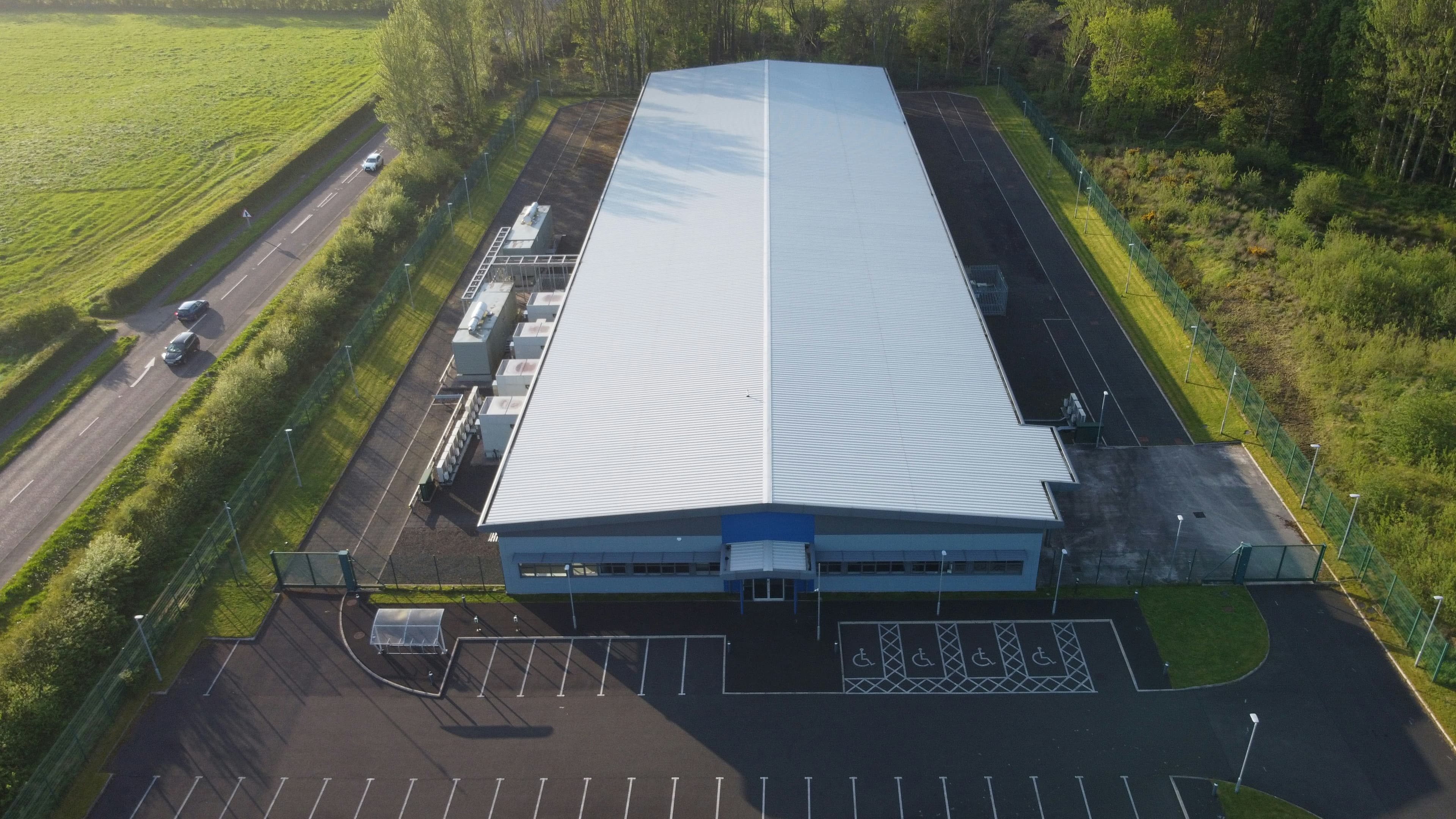
Founder and CEO Brett Adcock launched Hark in late 2025 with $100M of his own money. Adcock previously founded robotics company Figure.AI and electric aircraft builder Archer. The company currently has 70 employees and operates a data center with Nvidia B200 GPUs.
Hark plans to release its first multi-modal models in summer 2026, which will power what the company describes as a universal interface with the digital world. The company intends to follow the software release with purpose-built hardware devices designed specifically for those models.
Key facts
- 01Hark raised $700M in a Series A at a $6B post-money valuation led by Parkway Venture Capital.
- 02Founder Brett Adcock invested $100M of his own money to launch Hark in late 2025.
- 03The company has 70 employees and runs a data center with Nvidia B200 GPUs.
- 04Hark plans to release its first multi-modal models in summer 2026, followed by native hardware devices.
The fresh capital will fund recruiting for hardware, product design, and AI research roles, plus compute and component procurement. Abidur Chowdhury, a former Apple product executive, now serves as Hark's director of design. Chowdhury said investors saw a series of internal demos but declined to reveal specifics about the product.
Chowdhury positioned Hark as focused on consumer utility rather than developer tools. He noted that Anthropic is prioritizing coding tools and OpenAI is moving in the same direction ahead of its IPO, while few companies are building consumer-focused interfaces and native hardware the way Hark is.
The company has disclosed almost no technical details about its approach. Hark describes the product as an agentic AI system that works with existing products and services, but has not revealed what models or architectures it is building, what hardware form factors it is pursuing, or how it plans to differentiate from existing AI assistants.
The fundraise comes as consumer AI hardware remains largely unproven. Meta's Ray-Ban glasses have shipped but remain a niche product, and most AI wearables have failed to reach mass adoption. Privacy concerns around always-on recording devices have been a persistent obstacle.
When asked how Hark would handle the context problem — providing an AI assistant with enough information about a user's life without violating the privacy of people around them — Chowdhury declined to answer directly.
The $6B valuation reflects continued investor appetite for ambitious consumer AI bets despite a market littered with failed hardware attempts. Hark is now one of the most richly valued pre-product AI labs, having raised more in its Series A than most companies raise across multiple rounds.
The bet is that a purpose-built stack — models, software, and hardware designed together — can unlock a consumer AI experience that existing general-purpose models cannot deliver. Whether Hark has solved the product-market fit problem that has eluded the rest of the industry will become clear when the first models ship this summer.

Working on something we should cover, or seeing a story we missed? Send leads, documents, or feedback to hello@aichatdaily.com. For sensitive tips, see our secure tips page for Signal and PGP options.
Spotted an error? Email hello@aichatdaily.com with the URL and the issue, or read our full corrections policy.