IBM's mainframe business shrank 42% last quarter, the company reported Wednesday, and the fallout knocked its stock down 25% in the biggest single-day decline in the 115-year-old company's history. Total revenue came in at $17.2 billion with $9.9 billion in gross profit, nearly 58% margins, and $2.2 billion in net earnings — still a profitable quarter by any measure, but well below what Wall Street had priced in. CEO Arvind Krishna and IBM's board took the unusual step of pre-warning investors last week with a letter flagging the miss before the official print.
Krishna told investors the quarter was worse than the company's own expectations, an unusually blunt admission from a CEO who has spent six years reshaping IBM around software, consulting, and infrastructure. The letter and the follow-up call framed the miss as a demand-side story, not a product-side one — customers did not walk away from the mainframe, Krishna argued, they simply spent the money elsewhere first.
“was worse than our expectations”— Arvind Krishna, IBM CEO
The mainframe collapse matters far beyond hardware. On the earnings call, CFO Jim Kavanaugh said IBM earns $3 in software revenue for every $1 of mainframe hardware it sells, meaning a 42% hardware decline cascades directly into the higher-margin software and services book that Wall Street values most. IBM lowered its full-year growth forecast to reflect that the damage extends past a single quarter.
Key facts
- 01IBM mainframe revenue fell 42% in the quarter, dragging down the software attach that earns IBM $3 for every $1 of mainframe hardware.
- 02IBM stock dropped 25% in its biggest single-day decline ever after CEO Arvind Krishna pre-warned investors last week.
- 03Total quarterly revenue landed at $17.2 billion with $9.9 billion in gross profit and $2.2 billion in net earnings — profitable, but well short of Wall Street expectations.
- 04Krishna blamed AI-driven price hikes of 15% to 30% on data center gear and PCs for pulling budgets away from mainframe purchases.
- 05Tens of customers deferred mainframe orders in the quarter; IBM also lowered its full-year growth forecast.
The cause, according to Krishna, is not a shift away from mainframes — it is the AI hardware boom eating enterprise IT budgets. Tens of customers who were scheduled to buy new mainframes during the quarter decided to defer. A single deferred mainframe is a hit worth hundreds of thousands to millions of dollars in hardware, plus multi-year software and maintenance contracts worth many millions more. Losing tens of them in a single quarter is enough to blow a hole in the infrastructure segment.
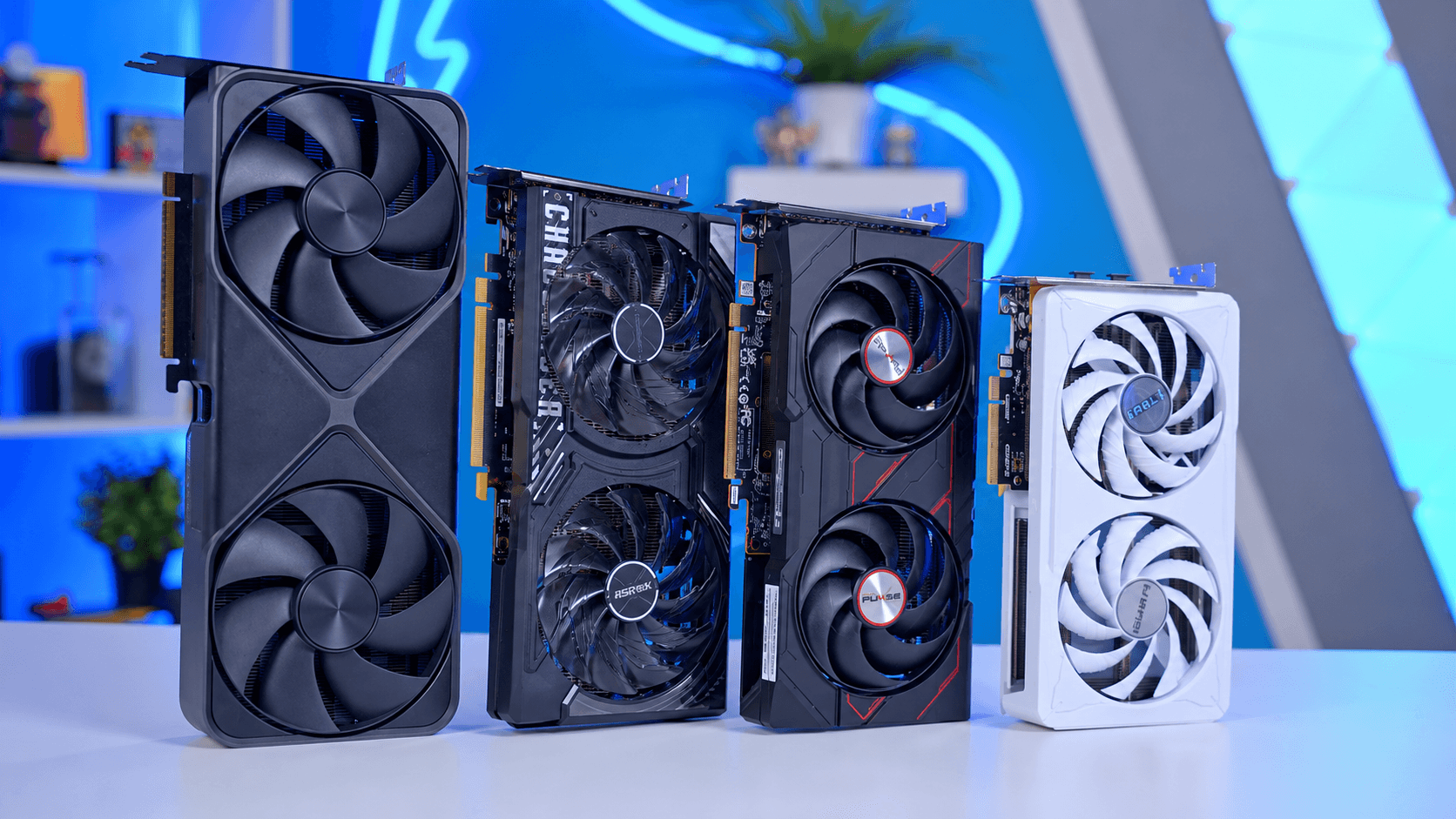
Where did the money go? Into AI data center gear and PCs, both of which have seen price increases of 15% to 30% driven by tight supply of memory and other components consumed by the AI build-out.
“When they were faced with that issue, then they decided to move budget to those areas where they were having that extreme price”— Arvind Krishna, IBM CEO
Dell and HP have both signaled that rising component costs are pushing enterprise hardware prices up, and Apple has said the same about consumer devices. The AI infrastructure wave that lifted IBM's stock through most of Krishna's six years as CEO — and inflated every hyperscaler's capex line — is now pulling budget away from IBM's own most profitable product line. The same tide, in other words, that carried IBM up is now pulling the mainframe under.
Krishna insisted the effect is temporary. He said some of the customers who deferred in the prior quarter have already placed orders this quarter, and that mainframe workloads remain sticky.
“We see no evidence of clients moving off the mainframe”— Arvind Krishna, IBM CEO
That will need to be proven over the next two quarters. The tech industry has been predicting the death of the mainframe since the 1990s and been wrong every time — the platform still runs core banking, insurance, and airline systems that no CIO wants to migrate. But even if Krishna is right that no one is abandoning the mainframe, the question is whether an AI capex cycle that could run for several more years will keep starving the upgrade budget. A deferred purchase that becomes a twice-deferred purchase starts to look like a lost purchase.
For the broader AI market, the IBM print is a useful data point on where enterprise IT dollars are actually going. AI infrastructure spending is not purely additive — it is displacing spending on traditional enterprise hardware, and the displacement is showing up on the income statements of the incumbents. Dell, HP, and now IBM have all pointed at the same dynamic. The winners of the AI capex cycle are increasingly obvious; the losers are becoming obvious too, and some of them are the vendors who assumed the rising tide would lift their boats along with Nvidia's.

Working on something we should cover, or seeing a story we missed? Send leads, documents, or feedback to hello@aichatdaily.com. For sensitive tips, see our secure tips page for Signal and PGP options.
Spotted an error? Email hello@aichatdaily.com with the URL and the issue, or read our full corrections policy.