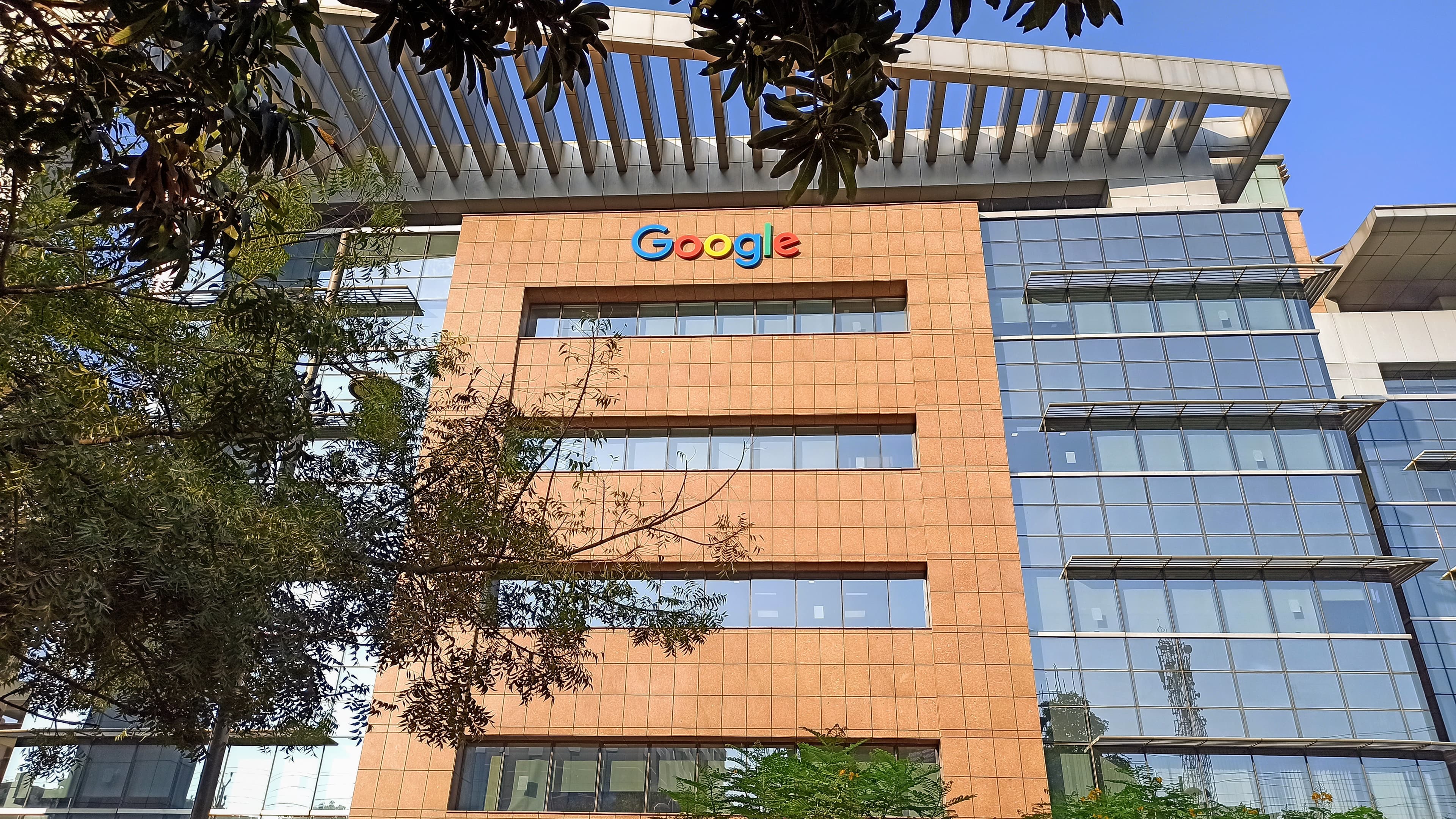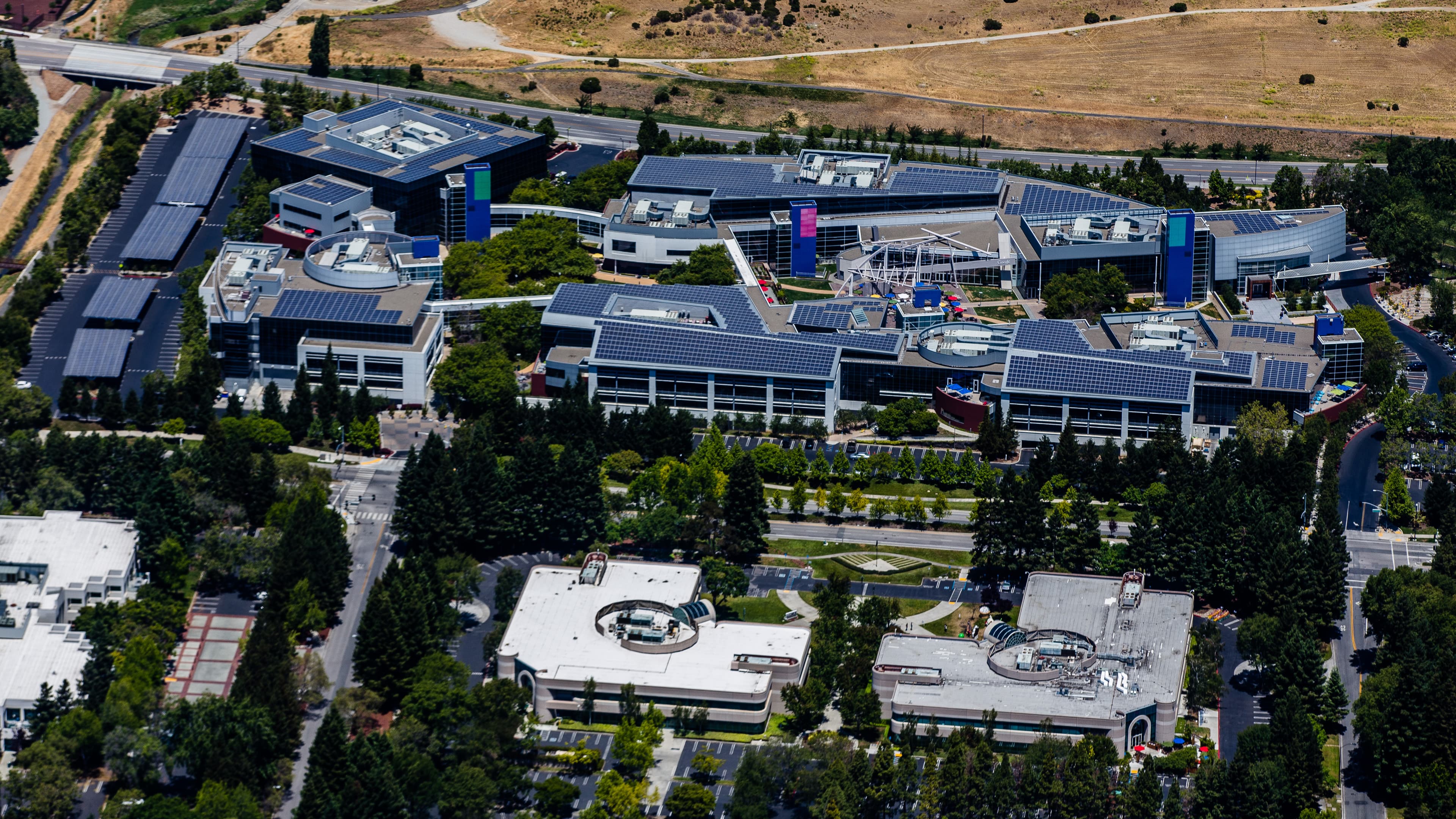
Google's annual electricity consumption rose 37% in 2025, the largest single-year jump in the company's history, as its AI data-center buildout outpaced every prior expansion cycle. The figure, disclosed in Google's 2025 sustainability report, follows a 27% increase in 2024 and brings total electricity use to more than 250% above 2019 levels. Google's data centers alone consumed 42 million megawatt-hours in 2025, up from 30.6 million megawatt-hours the year before.
That data-center load now rivals the annual electricity consumption of entire countries — Google specifically cites New Zealand, Denmark, and Nigeria as comparable. The company attributes the surge to continued growth in Google Cloud, YouTube video streaming, and the construction and operation of infrastructure supporting its AI products. The 37% jump is a sharp acceleration on top of an already steep curve.
Despite the electricity surge, Google reported a 2% reduction in operational emissions over the same period — what the company calls a "decoupling of electricity-related emissions" from raw usage growth. That reduction was made possible by a record year of clean-energy procurement: Google signed purchase agreements covering 12 gigawatts of net-new clean energy in 2025, its largest annual total ever.
“Our AI infrastructure buildout is currently accelerating faster than the grid is decarbonizing—we remain focused on scaling abundant and affordable clean power globally and progressing technological innovations that drive down emissions”— Google, 2025 sustainability report
Key facts
- 01Google's total electricity consumption rose 37% in 2025, the largest annual increase in company history and up from 27% growth in 2024.
- 02Data centers consumed 42 million MWh in 2025, up from 30.6 million MWh in 2024 — more than the annual electricity use of New Zealand, Denmark, or Nigeria.
- 03Total electricity use has grown 250% since 2019, driven by Google Cloud, YouTube, and AI workloads.
- 04Operational emissions fell 2% year-over-year, but supply chain emissions rose 25% on Asia-Pacific manufacturing grids.
- 05Google signed 12 GW of net-new clean energy purchase agreements in 2025, its largest annual total ever.
Google has now matched 100% of its global electricity consumption with renewable energy purchases for nine years running. The company acknowledged in the report that such matching is an accounting exercise — a firm can claim 100% renewable power while its local grid still runs on fossil generation during any given hour. Google says it is shifting toward a "24/7 carbon-free energy" framework that tracks clean-energy certificates by hour and by grid region rather than in bulk annual totals.
The counterweight numbers are less flattering. Supply-chain emissions from Google's contracted manufacturers and suppliers grew 25% in 2025, driven by an Asia-Pacific supply chain running on grids that the company describes as "undersupplied with carbon-free energy." That figure captures the emissions embedded in the servers, GPUs, and construction materials feeding the buildout, and it is trending in the opposite direction of Google's operational number.
Google's clean-energy investment strategy has also broadened well beyond wind and solar. The company reported $3.8 billion in energy investments between 2010 and 2025, expected to bring 7.5 gigawatts of clean energy online. Its broader technology bets now include advanced nuclear, fusion, enhanced geothermal, long-duration storage, and natural gas paired with carbon capture — a portfolio that Cleanview CEO Michael Thomas characterized as an "Everything Everywhere All at Once" approach to powering AI.
That portfolio has drawn scrutiny at the margins. Thomas flagged Google's $40 billion Texas data-center investment as including a campus potentially powered by a 933-megawatt natural gas plant without carbon capture — turbines that could produce up to 4.5 million tons of carbon dioxide annually if fully utilized. A Google spokesperson told Thomas the company has not yet signed an agreement specifying how much power its data center would draw from the plant.
The Texas project illustrates the tension baked into every hyperscaler's climate math right now. Frontier AI training and inference workloads require firm, always-available power at gigawatt scale, and the pace of grid decarbonization is not keeping up with the pace of data-center construction. Google's own language in the report — "our AI infrastructure buildout is currently accelerating faster than the grid is decarbonizing" — is the most direct admission yet from a hyperscaler that the two curves are not aligned.
This is the story of AI's real bill of materials arriving on the balance sheet. The productivity gains from Gemini, Google Cloud, and YouTube's AI systems are real and measurable, and Google's 2% operational-emissions cut against a 37% load increase is a genuine engineering achievement in procurement and siting. But the 25% jump in supply-chain emissions and the willingness to sign gas-fired baseload contracts point to a market where clean firm power supply cannot yet match AI demand, and where hyperscalers are picking pragmatism over purity. Expect the next wave of Google's disclosures to lean harder on hourly matching and on the nuclear, geothermal, and storage bets — because the 100% renewable headline number, on its own, is no longer doing the work it used to.

Working on something we should cover, or seeing a story we missed? Send leads, documents, or feedback to hello@aichatdaily.com. For sensitive tips, see our secure tips page for Signal and PGP options.
Spotted an error? Email hello@aichatdaily.com with the URL and the issue, or read our full corrections policy.