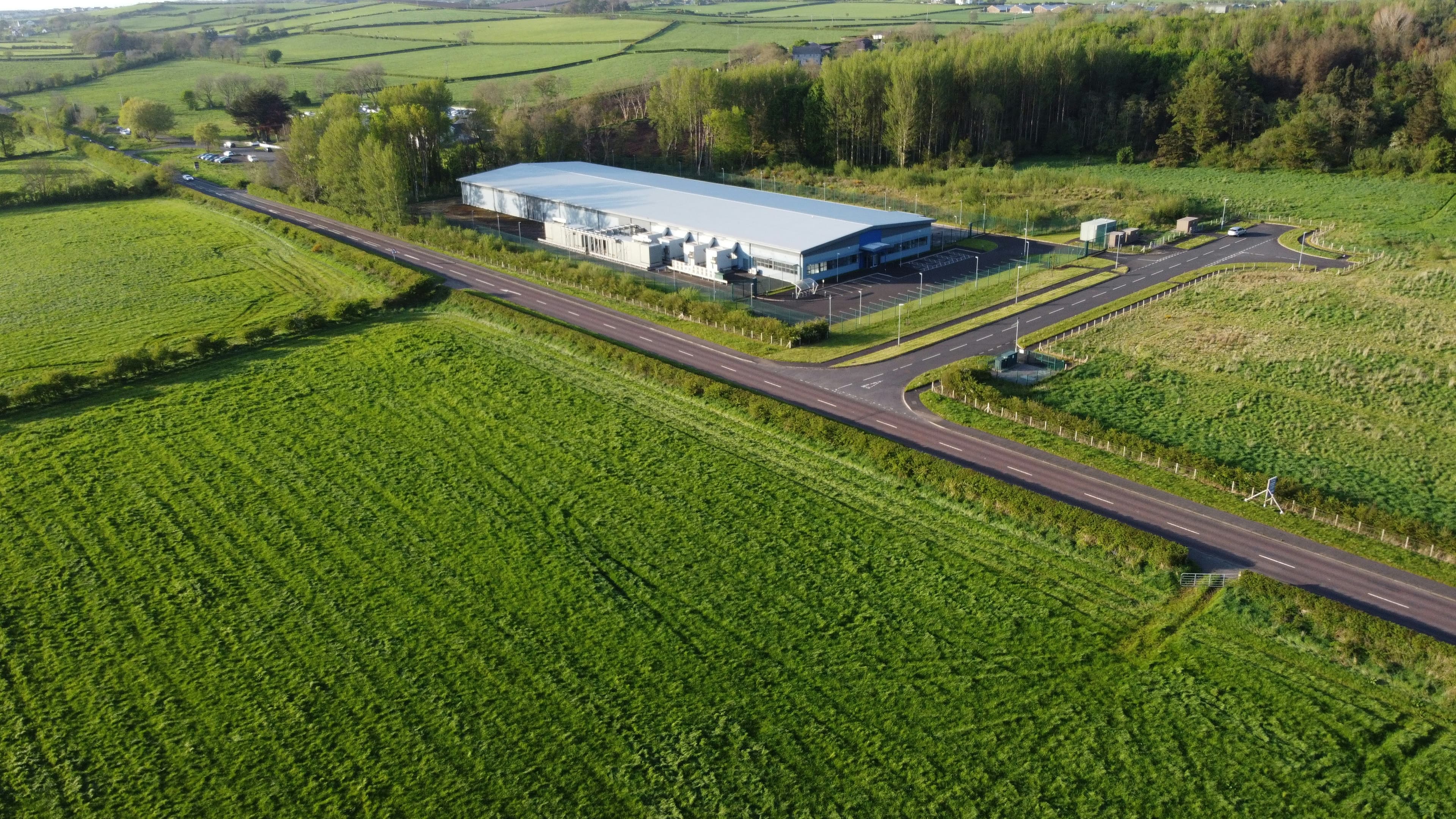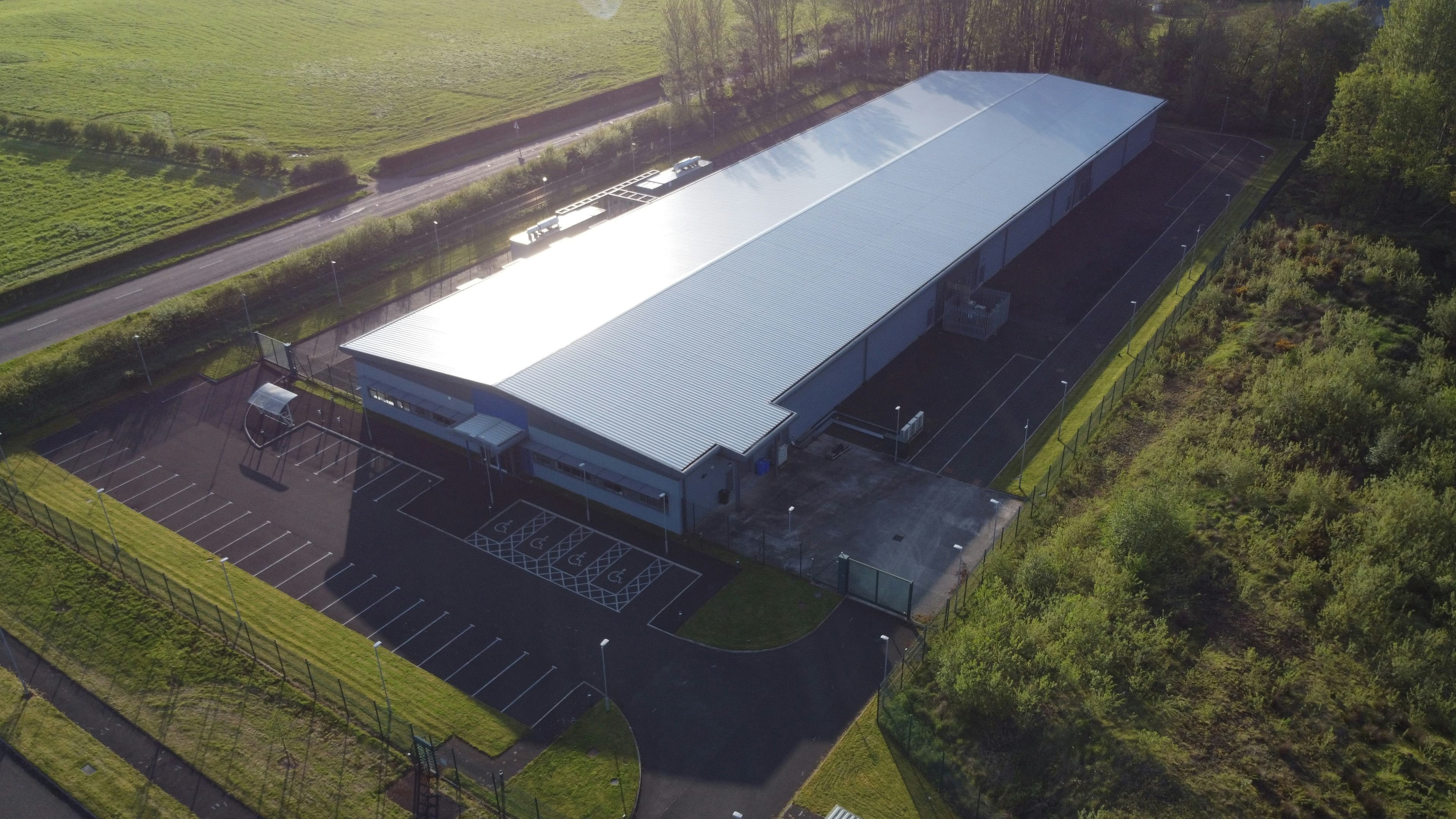
Kevin O'Leary has agreed to remove 19,430 acres from Project Stratos, his planned Utah AI data center, cutting the original 40,000-acre footprint roughly in half after sustained pressure from state lawmakers and local residents. In a letter sent Thursday to Utah Senate President J. Stuart Adams, the Shark Tank investor said he would also drop another 620 acres in the northeast portion of the site near the highway, leaving a final footprint of around 20,000 acres. That smaller campus would still cover more ground than Manhattan.
The concession does not meet what Adams had asked for. Days before O'Leary's June 4, 2026 letter, the Senate president called on the project to shrink by 75 percent — a reduction that would have brought the site down to roughly 10,000 acres. Adams also asked O'Leary to deploy water-minimizing cooling technology and to divert excess water to the Great Salt Lake, which continues to recede.
Project Stratos sits in and around the Locomotive Springs Waterfowl Management Area, a sensitive wetland habitat in northern Utah. The original 40,000-acre proposal made it one of the largest single data center projects ever floated in the United States, and drew sharp opposition from conservation groups and nearby residents who flagged water draw, grid load, and ecological disruption as immediate concerns.
Key facts
- 01O'Leary will remove 19,430 acres from Project Stratos, roughly halving the original 40,000-acre footprint in northern Utah.
- 02Utah Senate President J. Stuart Adams had asked for a 75% cut to about 10,000 acres; O'Leary's offer falls short of that ask.
- 03An additional 620 acres will be cut from the northeast portion of the site near the highway.
- 04Even at 20,000 acres, Project Stratos would still cover more ground than Manhattan.
- 05The site sits in and around the Locomotive Springs Waterfowl Management Area, near the shrinking Great Salt Lake.
The fight in Utah lands in the middle of a broader buildout. Hyperscalers and AI-specific developers are racing to secure land, power, and water rights for sites measured in hundreds of megawatts, and state-level political resistance is starting to bite. The United Nations recently projected that AI workloads will double global data center power and water use by 2030, and Google has spent recent weeks publicly defending its evaporative cooling design as Microsoft and OpenAI pivot away from it.
O'Leary framed the cuts in conservation terms.
“preserve a majority of the remaining acreage as open space.”— Kevin O'Leary, Project Stratos backer and Shark Tank investor
Even with the reduction, a 20,000-acre AI campus is enormous by any historical benchmark. Conventional hyperscale data centers occupy a few hundred acres at most. Project Stratos remains an order of magnitude larger than that, and the energy and water profile of a site that size — even one running modern closed-loop cooling — would put real strain on the local grid and watershed.
Adams has not publicly accepted the revised plan. The Senate president's original ask was specific: a 75 percent cut, water-minimizing technology, and a commitment to redirect excess water to the Great Salt Lake. O'Leary's letter addresses the acreage in part but does not match the requested 10,000-acre target, and the public version of the letter did not detail the cooling technology Project Stratos plans to use.
Whether the state legislature, county regulators, or activist groups treat the 19,430-acre cut as sufficient will determine the next phase of the project. Utah has leverage: land-use approvals, water allocation, and grid interconnection all sit with state and local authorities, and any one of those gates can stall a site indefinitely. A smaller footprint reduces the political surface area but does not eliminate it.
The Project Stratos episode points to a hardening dynamic in AI infrastructure: the political and environmental cost of siting compute is starting to scale faster than the compute itself. Developers can keep raising capital and signing power deals, but the regulatory ceiling on any individual site is now set by whichever state legislator wants to make the project a public issue. For operators chasing 2027 and 2028 capacity, the lesson is that a 40,000-acre plan invites a 20,000-acre counteroffer — and a 20,000-acre plan invites the next one.

Working on something we should cover, or seeing a story we missed? Send leads, documents, or feedback to hello@aichatdaily.com. For sensitive tips, see our secure tips page for Signal and PGP options.
Spotted an error? Email hello@aichatdaily.com with the URL and the issue, or read our full corrections policy.