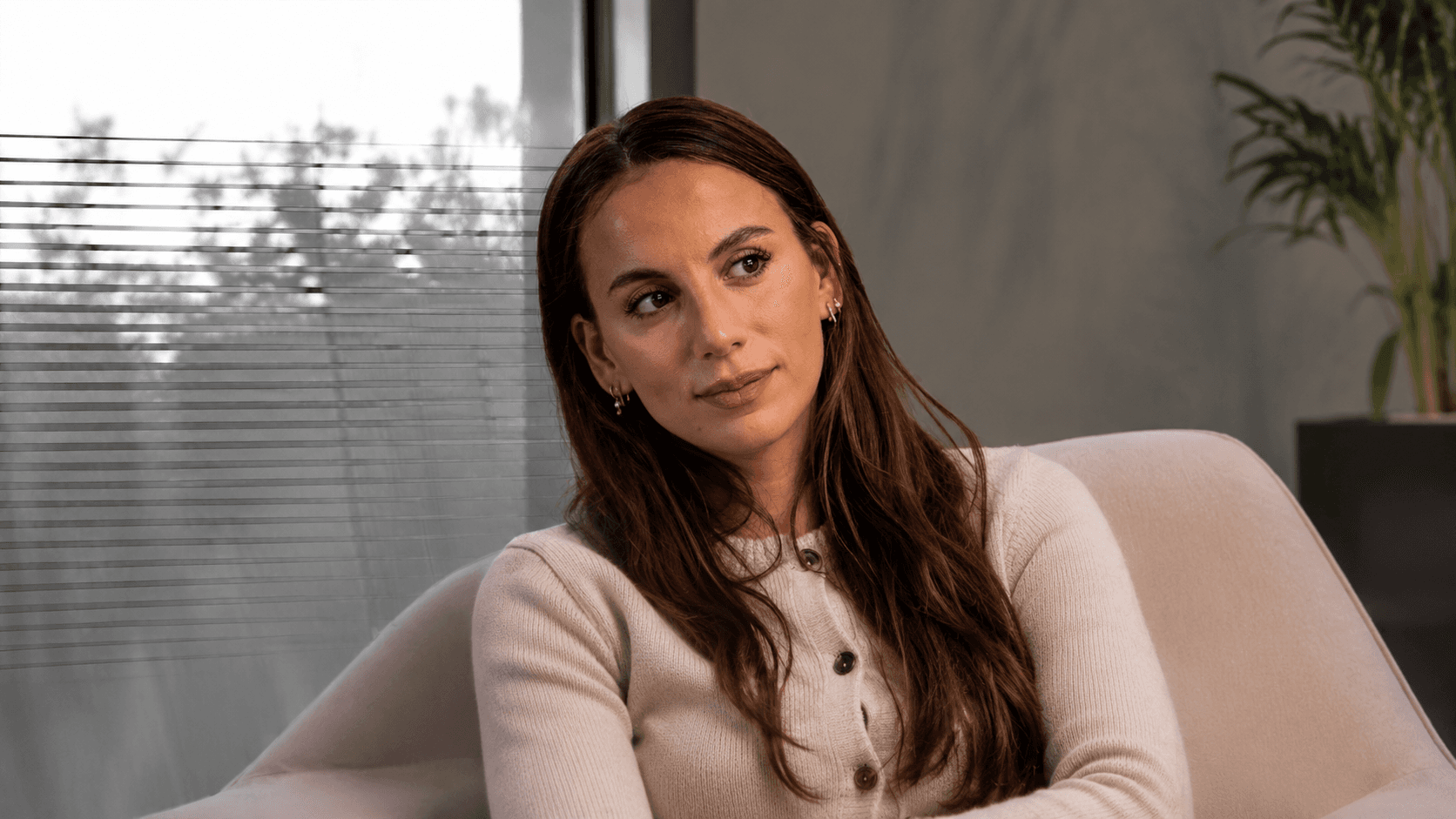
Lilian Weng, a co-founder of Thinking Machines, has left the startup founded by former OpenAI CTO Mira Murati and rejoined OpenAI within days, the company confirmed on July 29, 2026. Weng announced her departure in an internal Slack message on July 27 that she also posted publicly to X, citing health reasons and the pace of startup life. She is returning to OpenAI, where she previously served as VP of AI Safety Research, to lead a top-level team focused on accelerating internal research.
In her note, Weng was direct about why she was stepping away from a company she helped build. She framed the decision as one she had weighed for months, not an impulsive exit, and cast it as a limit imposed by her body rather than her ambition.
The new role at OpenAI is not a return to the safety org she used to run. According to an OpenAI spokesperson, Weng will lead a team supporting cross-research work on recursive self-improvement — the process by which an AI system iterates on itself to become more capable. That places her at the center of one of the most sensitive research threads inside the company, and one closely tied to arguments about how quickly frontier systems should be allowed to scale.
Key facts
- 01Lilian Weng stepped down as a Thinking Machines co-founder on July 27, 2026, citing health reasons in an internal Slack message she also posted to X.
- 02OpenAI confirmed on July 29, 2026 that Weng is rejoining, where she previously served as VP of AI Safety Research.
- 03At OpenAI she will lead a top-level team supporting cross-research work on recursive self-improvement.
- 04Thinking Machines co-founder Mira Murati publicly supported Weng's decision on X but it is unclear whether she knew Weng would return to OpenAI.
Weng's own explanation for leaving Thinking Machines was blunt.
“After thinking about it for several months, I ultimately have to admit that the amount of consistent stress and workload have pushed me beyond what my health can sustain physically.”— Lilian Weng, Thinking Machines co-founder
The optics of the move are awkward. Weng cited the workload of a startup as the reason she could not continue, then joined a company that is itself running at full sprint against Anthropic, Google DeepMind, xAI and others. The distinction, at least on paper, is that she is no longer a co-founder carrying founder-level responsibility for the business. At OpenAI she is a senior research lead inside a much larger organization, with the ability to focus on a single research program rather than every fire that lands on a founder's desk.
Thinking Machines has been one of the most-watched AI startups of the past year, in large part because of the roster Murati assembled after leaving OpenAI. Losing a co-founder — even one leaving for stated health reasons — punctures some of that momentum, particularly when the destination is the former employer that several of the company's senior people walked away from.
Murati responded publicly to Weng's post on X and did not address the OpenAI return.
“We'll miss you, it's been wonderful building Thinky together. I'm glad that you're putting your health first. Thank you for everything”— Mira Murati, Thinking Machines co-founder and former OpenAI CTO
It is unclear whether Murati knew at the time of her reply that Weng would be rejoining OpenAI. The two announcements — Weng's resignation on Sunday, OpenAI's confirmation of her hire on Wednesday — sat only days apart, which will feed the perception in AI circles that the health framing and the recruiting outcome were negotiated in parallel rather than sequentially. Neither company has said when discussions with OpenAI began.
The broader context is a talent market that has stopped behaving like a normal labor market. Compensation packages for senior researchers at frontier labs have run into eight and even nine figures, and moves between OpenAI, Anthropic, Google DeepMind, Meta's superintelligence group, xAI and a handful of well-funded startups now reliably move share prices and product roadmaps. In that environment, a co-founder departure at a rival lab, followed by a rehire at OpenAI onto the recursive self-improvement track, is not a personnel note. It is a signal about where the most sensitive research is being concentrated.
For OpenAI, adding a former VP of AI Safety Research to a team working on recursive self-improvement is also a positioning move. Recursive self-improvement is the exact capability path that safety researchers have flagged for years as the highest-stakes to get right, and putting someone with Weng's safety background at the head of that work is the kind of internal structure the company can point to when regulators and its own employees ask who is watching it. Whether the team ships anything visible in the next twelve months matters less, for now, than the fact that it exists and has a named leader with credibility on both sides of the capabilities-safety line.
For Thinking Machines, the read is harder. The company still has Murati and a deep bench, but the pattern of senior AI talent cycling back to OpenAI after brief stops elsewhere is becoming the dominant storyline of the 2026 hiring cycle — and every high-profile return tightens OpenAI's gravitational pull on the next researcher deciding whether to leave.

Working on something we should cover, or seeing a story we missed? Send leads, documents, or feedback to hello@aichatdaily.com. For sensitive tips, see our secure tips page for Signal and PGP options.
Spotted an error? Email hello@aichatdaily.com with the URL and the issue, or read our full corrections policy.