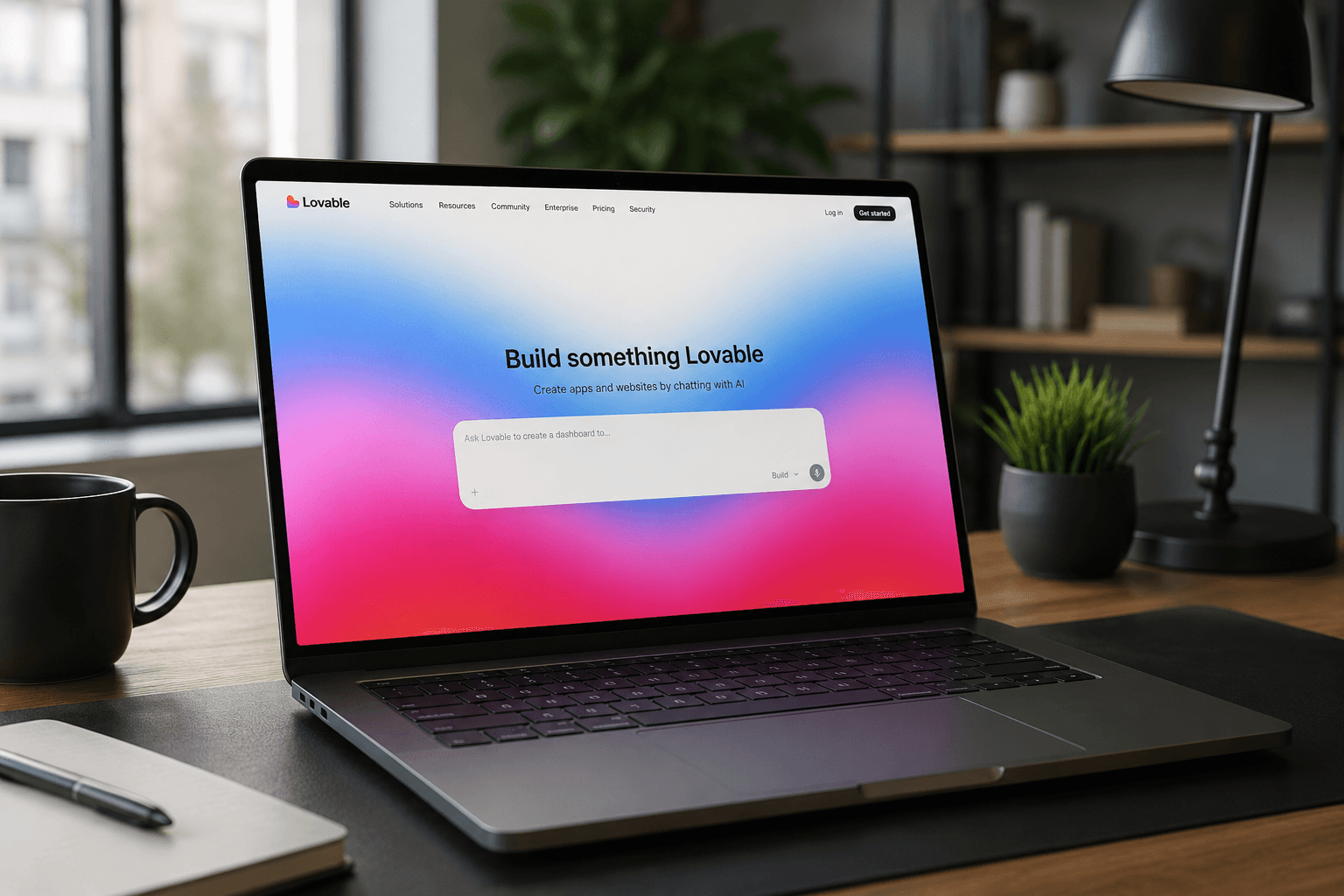
Lovable has crossed $500M in annualized revenue run rate, the European vibe-coding startup said, adding roughly $100M in ARR since February when it last disclosed a $400M figure. The company also says users have now built more than 50 million projects on the platform, with new projects launching at a pace of 1 million per week. Lovable was founded in late 2023 and has not yet reached its three-year anniversary.
The growth curve is steep even by recent AI-startup standards. In August 2024, Lovable publicly projected it could hit $1B in annualized revenue within 12 months. It will not double the February figure by this summer to land on that mark, but a 25% ARR jump in roughly four months keeps it on a trajectory few software companies have ever matched at this stage.
The product lets users describe an application in natural language and get working software in return — a category now widely called vibe coding. Lovable's pitch is that the people doing the describing do not need to be engineers. According to a survey the company published on its blog, its users are primarily non-technical: founders, designers, and salespeople building websites, e-commerce storefronts, and internal tools.
Key facts
- 01Lovable says annualized revenue has crossed $500M, up from $400M in February.
- 02Users have built more than 50M projects on the platform, with 1M new projects launching per week.
- 03The company was founded in late 2023 and has not yet reached its three-year anniversary.
- 04In August 2024, Lovable projected hitting $1B in annualized revenue within 12 months.
- 05Survey data from Lovable says non-technical users are building CRMs, inventory systems, and HR platforms.
The composition of those internal tools is the part that matters for the wider software market. Lovable says users are building CRMs, inventory systems, and HR platforms — exactly the categories that incumbent SaaS vendors sell on multi-year contracts. If a salesperson can spin up a working CRM in an afternoon on Lovable, the buy-versus-build calculation for a small team shifts.
That is the threat the SaaS industry has been bracing for since vibe coding became a real category in 2024. Lovable's survey appears to offer some data that the substitution is happening, though the company has not published seat counts or churn figures alongside the project totals.
The 1-million-projects-per-week number deserves a closer look. A project on Lovable is anything a user starts, which includes throwaway experiments, tutorials, and abandoned prototypes. The 50-million cumulative figure is impressive on its face, but the meaningful question for the SaaS displacement thesis is what share of those projects are still running in production six months later.
That is the question the company has not answered. Software is not a static artifact. Even well-written code runs atop a shifting stack of dependencies, third-party APIs, and infrastructure updates, all of which break things over time. The reason most companies buy SaaS instead of building it is that they want someone else responsible for keeping it running through those breakages.
Vibe-coded software inherits the same maintenance burden, plus a new one: the user who built it often cannot read it. A non-technical founder who shipped a CRM via prompt in 2026 will, in 2027, face the same dependency drift as any other software owner — without the engineering team to fix it. Whether Lovable's tooling can absorb that maintenance load through automated updates is the unresolved technical question.
Lovable has not disclosed how many of those 50 million projects remain active, nor what its paid conversion rate looks like against the total project count. Those are the metrics that would distinguish a durable SaaS replacement from a high-volume prototyping tool, and they are the metrics the company will be pressed on as it scales toward the $1B ARR mark it floated in August 2024.
The wider read is that vibe coding has graduated from a demo category to a revenue category fast enough to matter to incumbent software pricing. Lovable's $500M ARR is roughly five times what most enterprise SaaS startups hit at this age, and the customer mix — non-technical buyers building tools they would otherwise license — points at the soft underbelly of long-tail SaaS. The question for Salesforce, HubSpot, and the HR-tech middle market is not whether vibe-coded alternatives exist, but how many of those 50 million projects are still alive a year from now. That number, when Lovable eventually publishes it, will set the ceiling on the category.

Working on something we should cover, or seeing a story we missed? Send leads, documents, or feedback to hello@aichatdaily.com. For sensitive tips, see our secure tips page for Signal and PGP options.
Spotted an error? Email hello@aichatdaily.com with the URL and the issue, or read our full corrections policy.