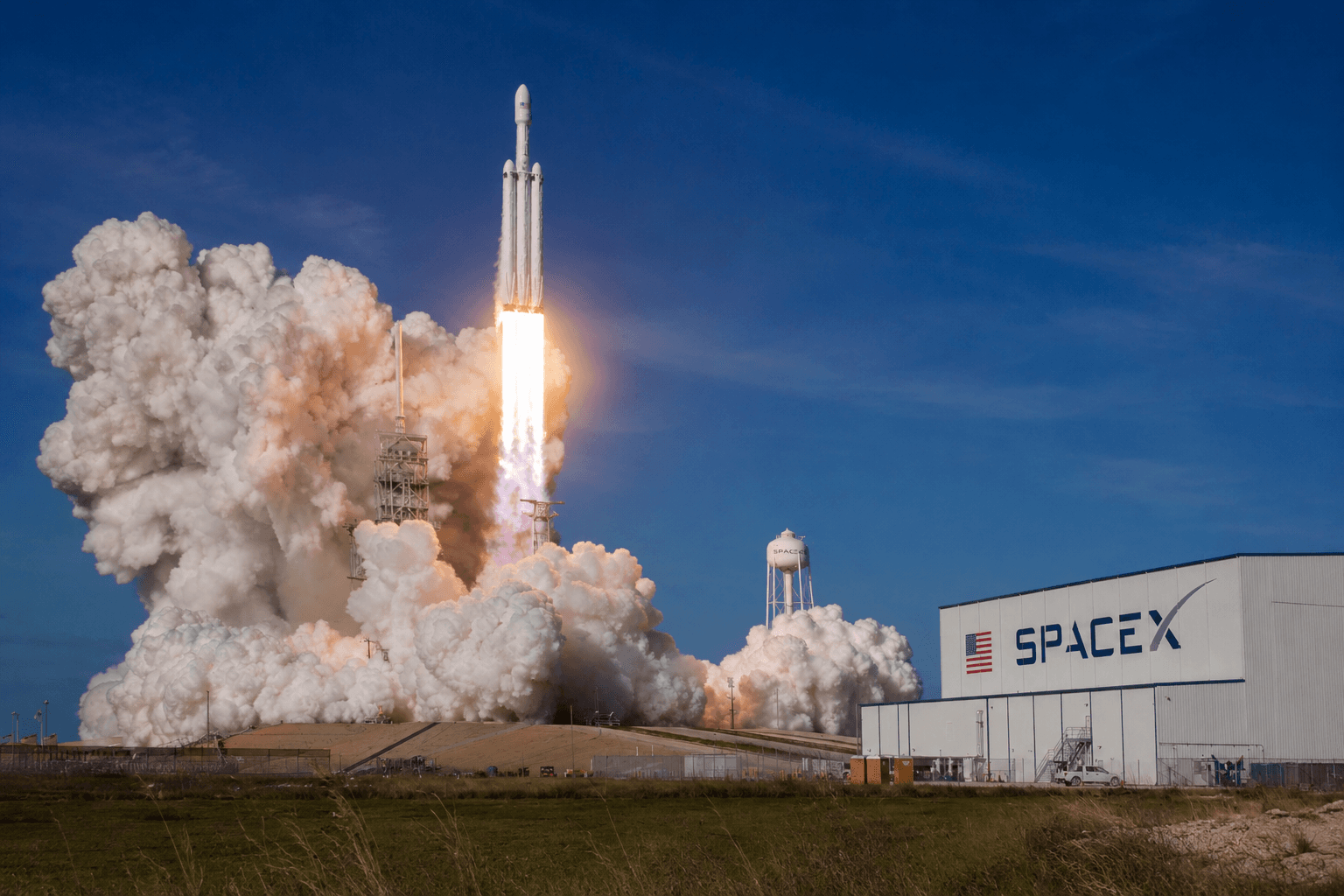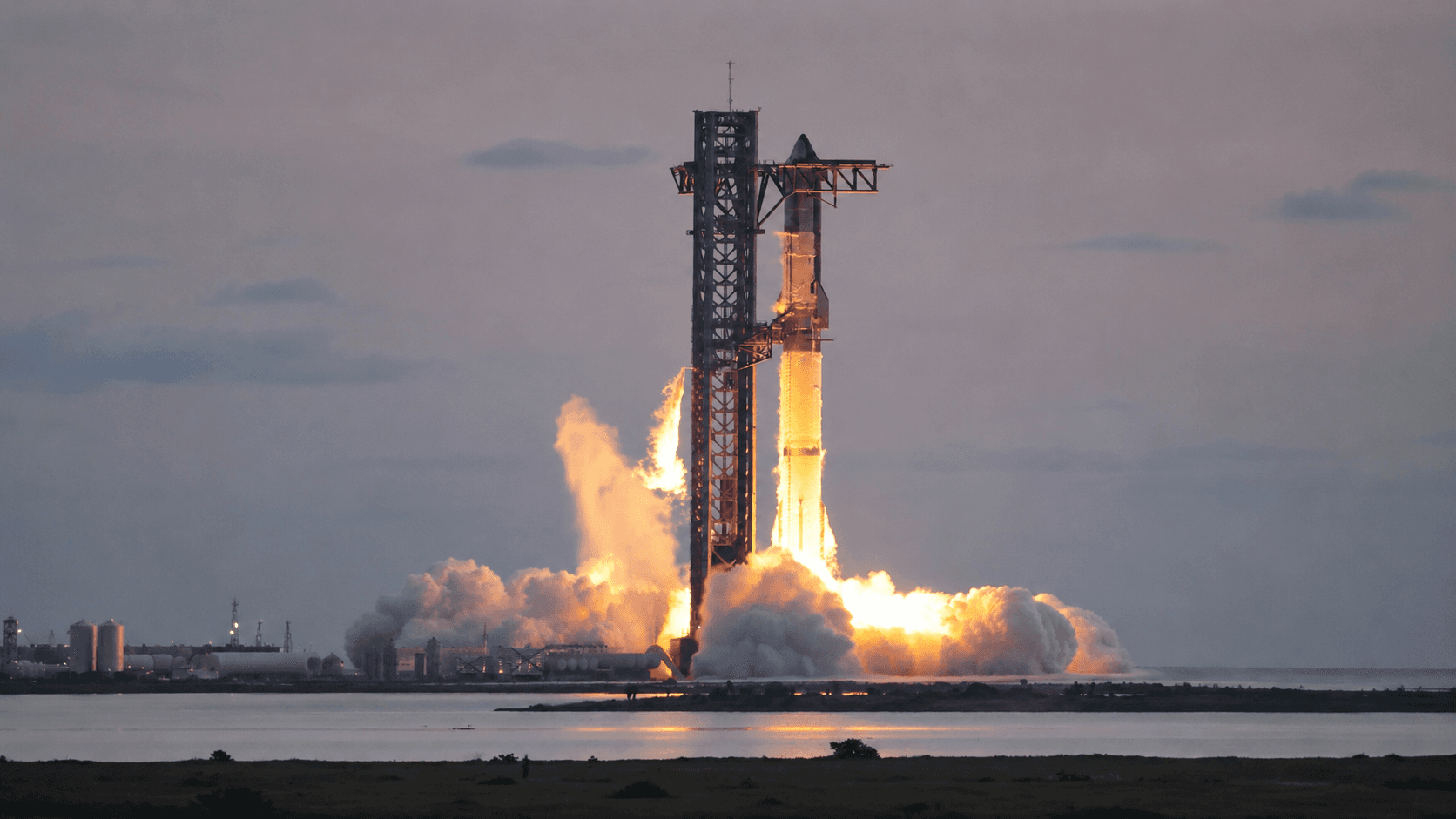
OpenAI is walking away from a partnership it internally projected would generate more than $1 billion in annualized revenue, ending its deal to supply models to Cursor after SpaceX acquired the AI coding startup in a $60 billion transaction. OpenAI announced the wind-down in a late-night blog post last Friday, citing a lack of trust that SpaceX, now controlled by Elon Musk, would honor its terms of service. At the start of 2026, Cursor ranked among OpenAI's top five customers by revenue.
The billion-dollar figure, first reported by WIRED, was OpenAI's own spring 2026 estimate based on the partnership's run rate at that time. Against OpenAI's roughly $40 billion in annualized revenue across subscriptions, ChatGPT ads, and its Codex coding tool, a $1 billion channel is meaningful but no longer existential. That mix is what made the decision possible; two years ago, cutting a top-five customer would have been unthinkable.
OpenAI framed the break as a contract-risk call, not a competitive one.
Key facts
- 01OpenAI ended its Cursor partnership after SpaceX acquired the AI coding startup in a $60B deal.
- 02OpenAI estimated the Cursor partnership would generate over $1B in annualized revenue by spring 2026.
- 03Cursor was one of OpenAI's top five customers by revenue at the start of 2026.
- 04OpenAI now runs at more than $40B in annualized revenue and is preparing to go public next year.
- 05Anthropic will keep serving Claude in Cursor, likely tied to a $45B SpaceX data center capacity deal.
The company also acknowledged in its post that ending the deal could damage its standing with developers, who have used Cursor as a primary route to access OpenAI models. Cursor founder and CEO Michael Truell, now leading teams inside SpaceX, responded on X within hours, claiming OpenAI's models serve about 5% of Cursor user traffic — a number seemingly designed to suggest the split is trivial. OpenAI head of core products Thibault Sottiaux pushed back, calling token share "not a proxy for revenue nor value created" and asking Truell to "share the math."
The relationship goes back to Cursor's 2023 seed round, in which OpenAI's startup fund was among the first investors. At the time, a small team taking on Microsoft's GitHub Copilot looked implausible. By summer 2025, Truell was featured in OpenAI's marketing materials for the GPT-5 launch. OpenAI at one point approached Cursor about an acquisition, though talks never advanced.
The overlap between OpenAI's Codex business and Cursor's editor turned partners into competitors, but the two coexisted for more than a year. What changed is ownership. OpenAI's blog post pointed to an incident earlier this year in which Musk, during a deposition in his lawsuit against Sam Altman and Greg Brockman, appeared to acknowledge that xAI — now folded into SpaceX — had trained on OpenAI models. A federal jury dismissed that suit earlier this year, but the deposition line stuck.
For OpenAI, the calculation seems to be that serving frontier models into an infrastructure controlled by Musk carries an unacceptable distillation risk. The company is preparing an IPO next year and needs to show public-market investors a business that does not depend on the goodwill of a rival CEO.
“It would be odd for us to sell Claude to OpenAI.”— Jared Kaplan, Anthropic cofounder
Anthropic is taking the opposite approach. Cofounder Tom Brown said Claude will remain available in Cursor. That posture is easier to hold when your compute pipeline runs through the buyer: Anthropic depends on SpaceX for $45 billion of data center capacity, a commercial reality that constrains how forcefully it can object to a Musk-owned customer. Last year, Anthropic cut off the AI coding startup Windsurf when OpenAI was rumored to be acquiring it — Windsurf was ultimately bought by Cognition instead.
The inconsistency is hard to miss. Anthropic will not sell Claude to OpenAI but will sell Claude to a SpaceX-owned Cursor. The line, in practice, tracks compute dependency more than principle. That is a defensible business posture, but it is a business posture, and Cursor's customers should read it that way.
For Cursor itself, the OpenAI departure narrows its model roster at exactly the moment its new owner is standing up xAI's own coding stack. Truell's public 5% figure may be technically accurate on tokens, but OpenAI's revenue read implies the split is closer than the token count suggests. Developers who chose Cursor specifically for access to GPT-class models now have to reevaluate.
The bigger read for the AI market is that model providers are starting to price supplier risk into who they sell to, not just how much they charge. OpenAI just demonstrated it will forgo a nine-figure revenue line to avoid a distribution partner it considers untrustworthy, and the market did not punish it — a signal that at $40 billion of run rate, the frontier labs finally have the leverage to be picky. Expect more of these breakups as Codex, Claude Code, and xAI's coding products harden into direct competitors to the editors they used to power.

Working on something we should cover, or seeing a story we missed? Send leads, documents, or feedback to hello@aichatdaily.com. For sensitive tips, see our secure tips page for Signal and PGP options.
Spotted an error? Email hello@aichatdaily.com with the URL and the issue, or read our full corrections policy.