Pennsylvania residents organized a two-hour online town hall late Wednesday that drew 225 attendees and more than 20 speakers, all pushing back against the state's nearly 60 proposed, approved, or under-construction data centers. The forum, hosted by the environmental nonprofit Better Path Coalition, targeted Gov. Josh Shapiro and the tax-incentive regime drawing hyperscale developers to the state. A Quinnipiac University poll in February 2026 found 68% of registered Pennsylvania voters would oppose a data center for AI in their community.
The opposition is consolidating fast. The Pennsylvania Data Center Resistance Facebook group, started in January 2026 with a few dozen members, now lists more than 12,000 followers, according to organizer Karen Feridun. That growth tracks a sharp split between abstract and local sentiment: an Emerson College survey in November 2025 found 38% of Pennsylvanians supported data-center development and 35% opposed it, but the Quinnipiac number nearly doubles when the project is next door.
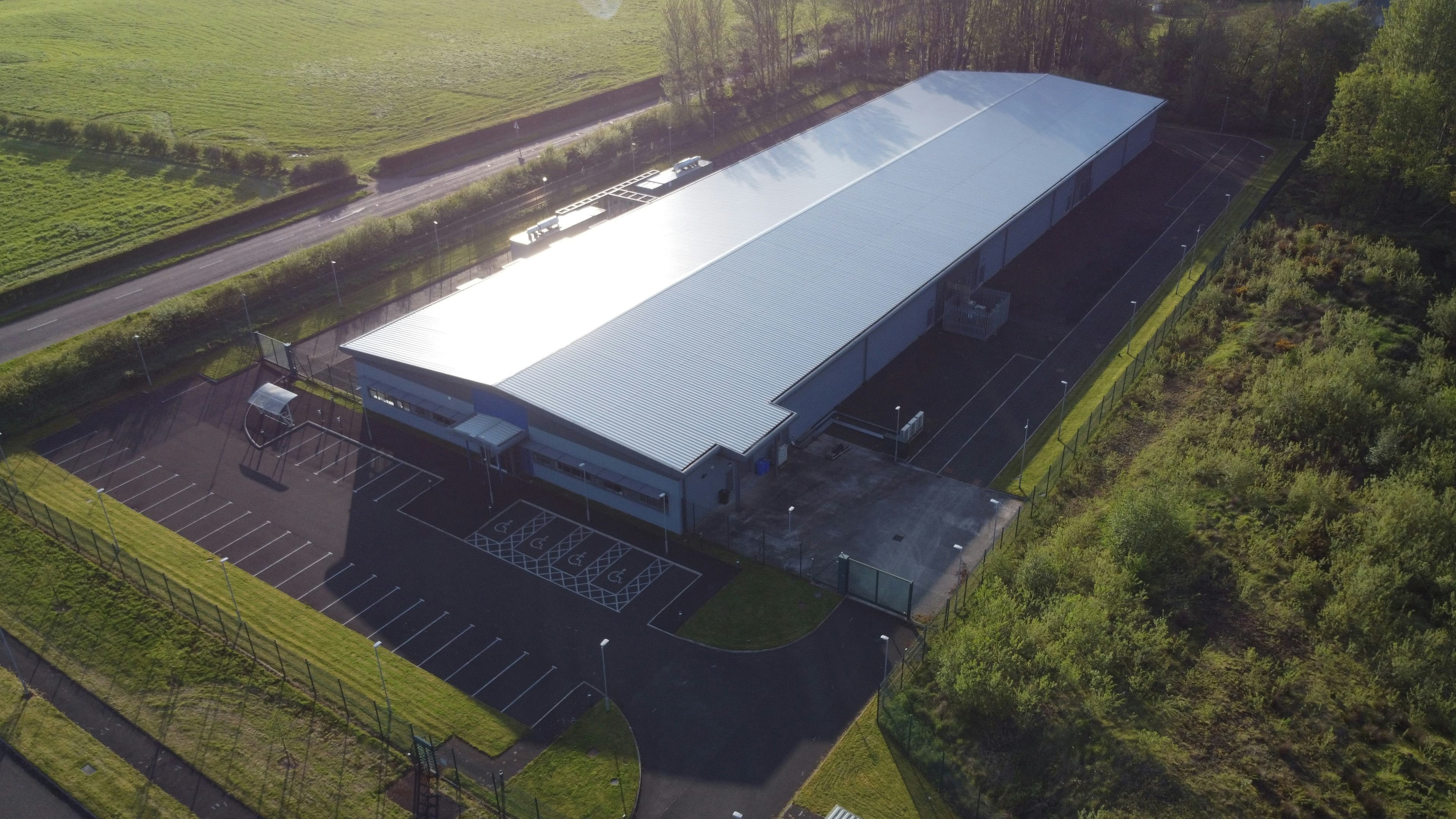
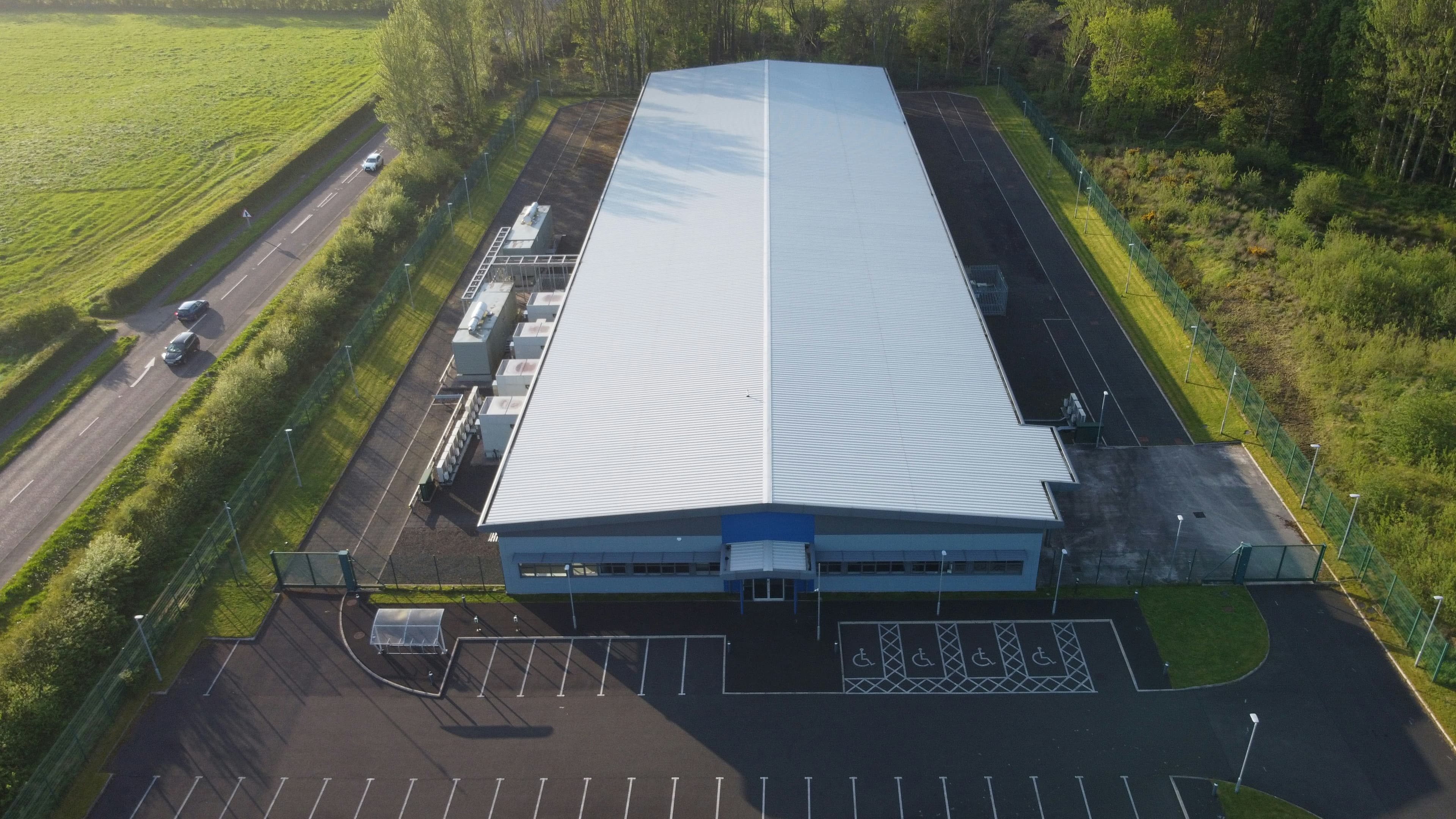
The proximate flashpoint is Project Boson, a nearly 620,000-square-foot facility planned for Archbald, Pa., on a site neighboring homes and a school. Residents cite rising electricity prices, water draw, noise, and rural industrialization. Speakers repeatedly described being informed of projects only after key approvals had cleared.
Key facts
- 01Pennsylvania has nearly 60 data centers proposed, in planning, approved, or under construction, per the Data Center Proposal Tracker.
- 02A Quinnipiac University poll in February 2026 found 68% of registered Pennsylvania voters would oppose an AI data center in their community.
- 03The Pennsylvania Data Center Resistance Facebook group has grown from a few dozen members in January 2026 to more than 12,000 followers.
- 04State Sen. Katie Muth plans to introduce a bill imposing a three-year moratorium on new data center development.
- 05Project Boson in Archbald, Pa. will span nearly 620,000 square feet on a site adjacent to homes and a school.
"This is a public trust and transparency issue," said Jennifer Dusart, a small business owner from Mechanicsburg. "Too many Americans are finding out about these projects after decisions have been made. We have been bulldozed over, and when citizens have raised concerns, they are often dismissed as uninformed, emotional or anti-progress."
“A February Quinnipiac University poll of Pennsylvania registered voters found 68% would oppose a data center for AI in their community, far above the 35% who opposed development in the abstract.”— Jaeden Schafer
Shapiro, who drew speculation as a Democratic vice presidential candidate in 2024, has tried to position Pennsylvania as data-center-friendly while proposing siting conditions. In his February 2026 budget address, he said new data centers seeking state support must either supply their own power or fully fund grid draw and transmission build-out. Spokesperson Rosie Lapowsky said companies wanting tax credits and faster permitting "must meet strict expectations around transparency, environmental protection, and community impact."
That has not satisfied attendees. Kelly Donia of East Whiteland Township, a registered Democrat who lives near a proposed site, said she no longer supports Shapiro: "He is losing his base. I want him to hear this loud and freaking clear. I'm going to make it my job to make sure that man never gets elected again for any office." Feridun said Shapiro did not respond to multiple invitations to attend the town hall.
The legislative fight centers on HB 2151, a Shapiro-supported bill that would direct state officials to draft a model ordinance for municipalities responding to data center applications. Supporters frame it as a voluntary template to help local governments. Colby Wesner of Concerned Citizens of Montour County, which previously blocked a project, called it "a data center developer's dream." Donia urged townships to rewrite zoning before applications arrive: "If you've got terrible ordinances in your township, and you add in bad zoning, guess what? You get a hyperscale data center."
State Rep. Jamie Walsh, who represents Luzerne County, blamed a 2021 tax-break law for making the state a magnet relative to Virginia, the country's largest data-center market. "In Virginia, they have to pay tax on the contents of those buildings. Pennsylvania will never realize that. That is why we've become ground zero," Walsh said. State Sen. Katie Muth, representing part of the Philadelphia suburbs, said she plans to introduce a bill placing a three-year moratorium on new data center development, giving state and local governments time to study the industry.
Michael Sauers, a retired teacher from Bloomsburg, called for amending the Pennsylvania Municipalities Planning Code, a regulation first published in 1970, to give towns clearer authority to reject projects. The Data Center Coalition and Pennsylvania Data Center Partners did not respond to requests for comment, though the industry has historically pointed to construction jobs and local tax revenue as offsets.
Industry advocates have a defensible case on jobs and grid investment when developers fund their own transmission, and HB 2151's model ordinance could in principle raise the floor in towns without zoning expertise. The counter-pressure is that hyperscale siting decisions are being made on a faster cycle than municipal planning departments can absorb, and the Quinnipiac 68% opposition number suggests the political ceiling on local approvals is lower than the industry's pipeline assumes.
Pennsylvania is becoming the test case for whether AI infrastructure buildouts can scale without triggering a state-level backlash that reshapes siting rules. The pattern resembles the dynamic in Nevada, where utility-led capacity reallocation has already pulled power away from existing customers. If Muth's moratorium bill gains traction, or if a future legislature repeals the 2021 tax break Walsh flagged, developers chasing East Coast latency could find the math change quickly, and the next 60 projects may land in jurisdictions that priced in community consent from the start.

Working on something we should cover, or seeing a story we missed? Send leads, documents, or feedback to hello@aichatdaily.com. For sensitive tips, see our secure tips page for Signal and PGP options.
Spotted an error? Email hello@aichatdaily.com with the URL and the issue, or read our full corrections policy.