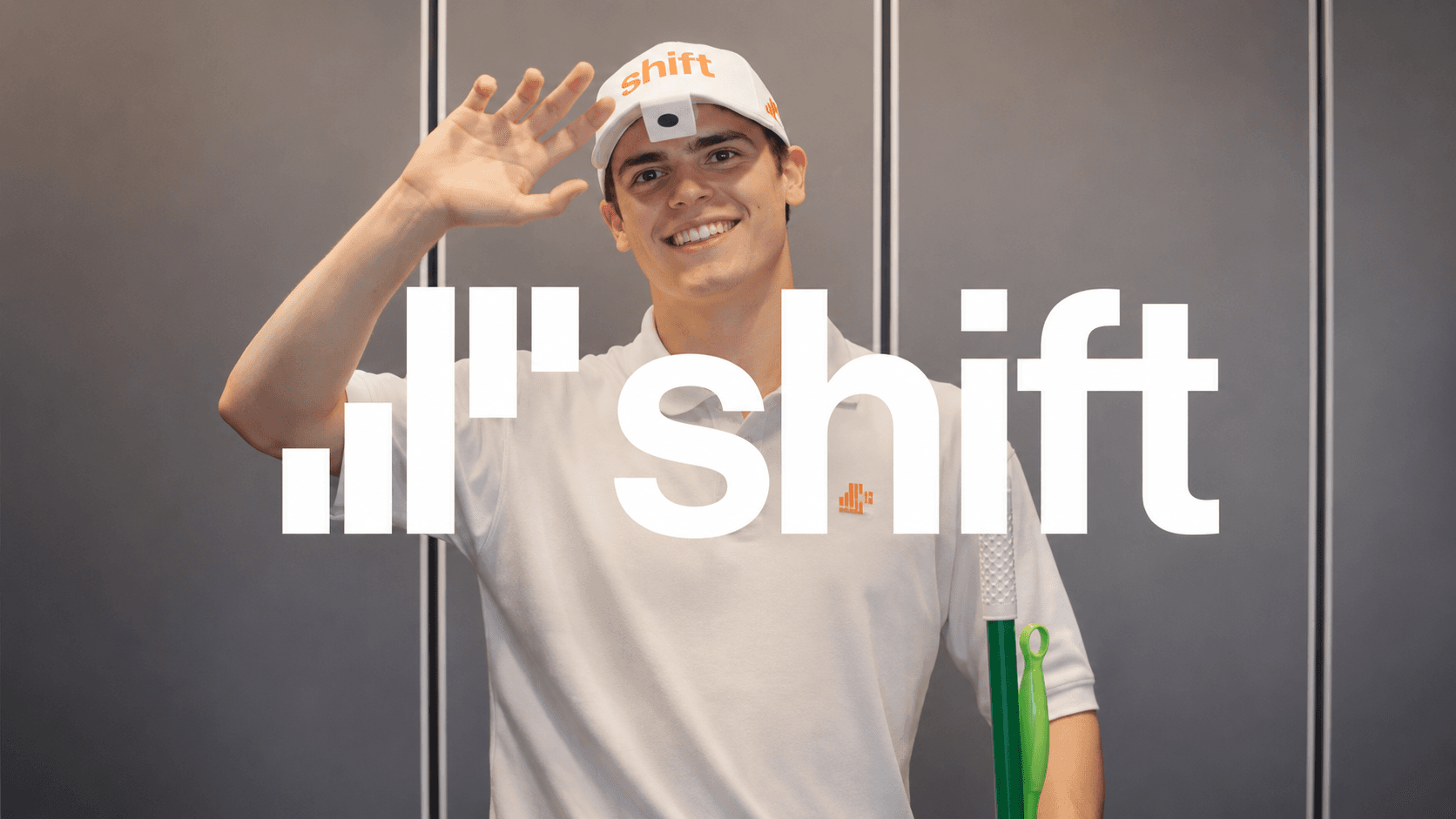
Shift AI, a division of German startup Microagi, is paying for private chefs to cook three-course meals inside strangers' apartments in exchange for the right to film every hand movement from a first-person point of view. The footage feeds an egocentric training set aimed at future humanoid robots, and the trade is simple: the household gets a free meal, Shift gets the video. Wired reporter Reece Rogers took the deal and had a chef named Ollie arrive at his apartment wearing a baseball hat with a GoPro-sized white camera on the brim, wired down his back to a smartphone that stored the recordings.
The gap Shift is trying to fill is data, not compute. Large language models had the open internet to scrape; home robots do not have anything comparable for how humans actually chop mushrooms, plate salmon, or scrub a pan. Microagi's answer is to manufacture that dataset by putting cameras on skilled workers in real kitchens, real living rooms, and real messes. Rogers watched Ollie make a gazpacho, a baked salmon with creamy zucchini sauce, and a piped tiramisu, then clean the kitchen — all recorded as training material.
Shift ran an earlier version of the arrangement in New York City by offering free residential cleaning in exchange for filming, then expanded to San Francisco with the home-cooked meal offer. The company positions the setup as gig work: contractors can record and sell their own first-person video into the same pipeline, turning household tasks into a data product. Rogers writes that he has spent dozens of hours this year with an iPhone strapped to his head, recording hand movements for DoorDash while scrambling eggs and tying shoelaces for another data collection startup.
Key facts
- 01Shift AI, a division of German startup Microagi, sends private chefs into homes wearing head-mounted cameras to record cooking as robot training data.
- 02In exchange for a free three-course meal, participants let Shift record every knife stroke and stir from a first-person point of view.
- 03Shift earlier ran the same arrangement in New York City for free cleaning services and has since expanded to San Francisco with home-cooked meals.
- 04Microagi CEO Bercan Kilic predicts capable, affordable home robots within a year, comparable to where vacuum robots stood in 2020.
- 05The chef's rig pairs a GoPro-sized camera on a baseball hat with a smartphone via a white wire, storing footage locally as the chef works.
Microagi CEO Bercan Kilic frames the effort in economic terms.
Kilic's near-term pitch is a marketplace where anyone with a head-mounted camera and a household task can contribute to model training and get paid. The longer-term pitch is that widespread physical AI eventually delivers what he calls abundance, though the article does not disclose Shift's per-video payout rates, the size of its dataset, or how many households have participated across New York City and San Francisco.
The underlying bet is that egocentric video, not more text, is the missing input for capable home robots. Every chopped shallot, wiped counter, and awkward cabinet reach captured from the chef's hat becomes a small entry in a corpus that, at scale, could teach a humanoid to hold a knife without hurting anyone. Shift's cooking data sits alongside its cleaning data because a robot that plates a Michelin-star-level meal but leaves crusty pans soaking is not solving the actual household problem.
Kilic is unusually specific about timing.
That is a bold claim to date-stamp — 2027 humanoids at reasonable prices, roughly matching the market maturity Roomba-style vacuums had reached by 2020. The industry has heard similar timelines before, and shipping a knife-capable machine into consumer homes is a materially different safety problem than shipping a disc that bumps into furniture. Rogers notes the obvious failure mode: a Roomba that glitches smears dog droppings across the carpet; a chef-bot that glitches with a knife in hand endangers the dog, or the owner.
There is also the question of whether crowd-sourced egocentric data actually generalizes. One apartment's oven, one chef's grip, and one countertop layout is a single drop in what would need to be an ocean of coverage across kitchens, cuisines, and edge cases. Shift has not published dataset size, model benchmarks, or robot performance metrics, and the article does not name a robotics partner buying the data downstream. The pitch that home humanoids will unlock broad abundance also runs into the counter-evidence that prior technology waves — including the Industrial Revolution Kilic invokes — coincided with widening wealth inequality, not its elimination.
For the AI market, Shift is a useful data point on where the humanoid race is spending money. Compute, chips, and foundation models get the headlines, but the binding constraint on physical AI is grounded video of humans doing ordinary tasks — and companies are now willing to front private chefs, cleaners, and eventually other services to acquire it. If Kilic's 2027 timeline lands even directionally, the firms that own the largest egocentric datasets will be positioned the way image-text scrapers were positioned before the last model cycle. If it slips, Shift will still have paid for a lot of people's dinners in the meantime.

Working on something we should cover, or seeing a story we missed? Send leads, documents, or feedback to hello@aichatdaily.com. For sensitive tips, see our secure tips page for Signal and PGP options.
Spotted an error? Email hello@aichatdaily.com with the URL and the issue, or read our full corrections policy.