Silicon Data closed a $30 million Series A to build what it says the AI economy is missing: a reference price for compute. The startup plans to launch compute futures trading on the CME on October 5th, pending regulatory approval, giving buyers and sellers of GPU capacity their first standardized way to hedge exposure to price swings. Hundreds of billions of dollars a year now flow into data centers and GPUs, and until now there has been no settlement benchmark against which a financial contract can resolve.
The pitch is straightforward. GPU rental prices move, sometimes sharply, and the firms building AI products have no clean instrument to lock in cost or bet against it. Silicon Data wants its index to become that benchmark, the number a CME futures contract would settle against at expiry. Steve Hou, the company's head of research, framed the problem plainly on the Equity podcast: compute is now the single biggest line item for anyone building AI products.
“compute has become the single biggest cost for anyone building AI products”— Steve Hou, Head of Research at Silicon Data
The mechanics matter. A working futures market requires a trusted spot reference, deep enough liquidity to make the contract worth trading, and counterparties on both sides — hyperscalers, neoclouds, hedge funds, and the AI labs themselves. Silicon Data's bet is that it can supply the reference number and let the CME supply the venue, mirroring how oil, natural gas, and power markets developed once their underlying commodities became large enough to demand risk-transfer tools.
Key facts
- 01Silicon Data closed a $30M Series A to build a reference price index for GPU rental and AI compute.
- 02The company plans to launch compute futures trading on the CME on October 5th, pending regulatory approval.
- 03Hundreds of billions of dollars a year are flowing into data centers and GPUs, with no standard mechanism to hedge price exposure.
- 04Silicon Data's index would serve as the settlement benchmark for a Wall Street futures contract on compute.
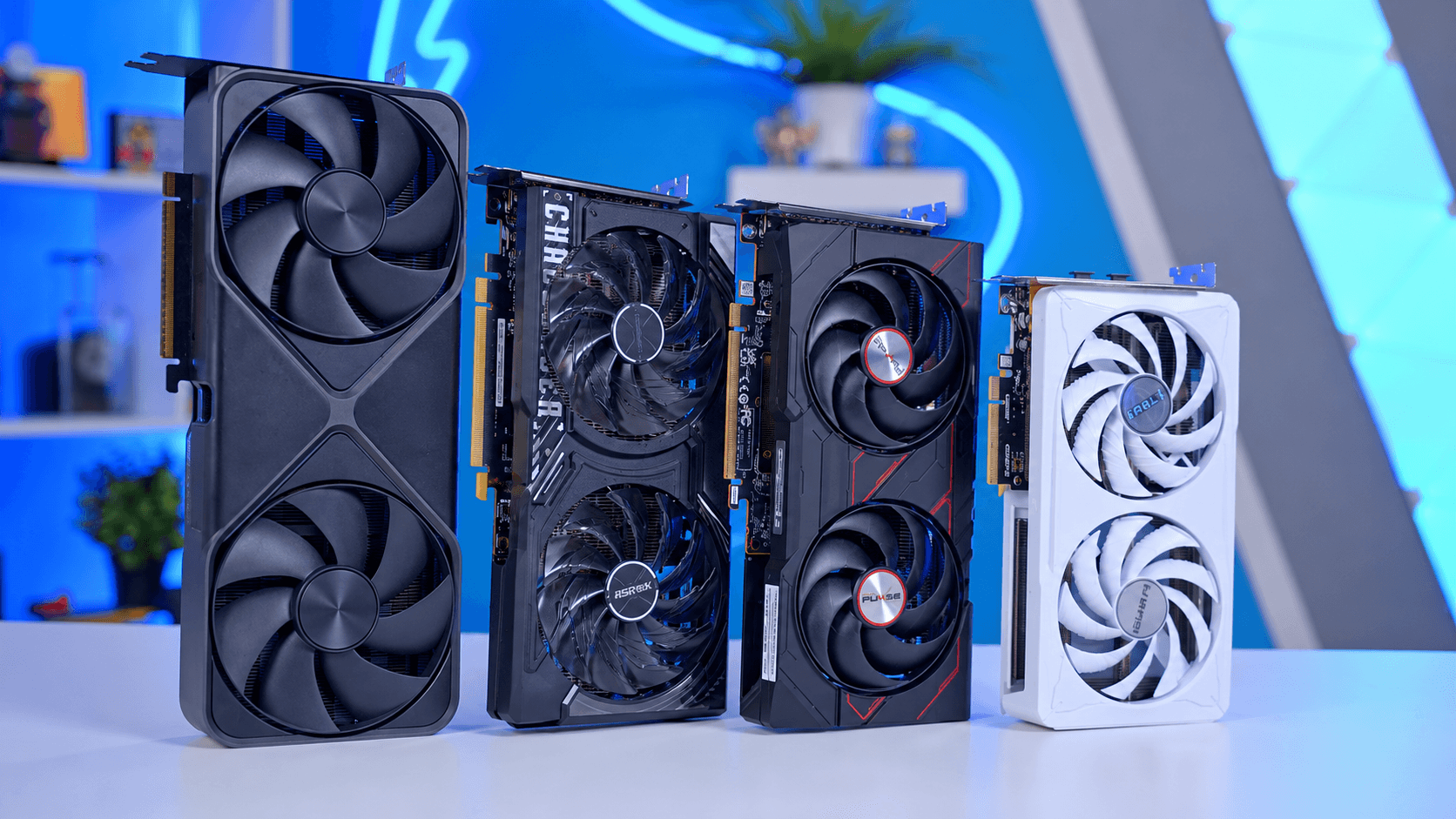
The timing tracks with the scale of AI infrastructure spend. Nvidia's data-center revenue alone runs in the tens of billions per quarter, and OpenAI, Anthropic, Meta, Google, and Microsoft have collectively committed to multi-year capacity buildouts that lock in compute years in advance. When purchase decisions carry that kind of duration risk, the absence of a hedging instrument is a structural gap in the market, not a rounding error.
Hou argues the underlying data cuts against the bearish narrative around AI infrastructure. Headlines about depreciating chips and stalled data centers, he said, do not match what Silicon Data sees in the pricing and utilization figures it aggregates. Rental prices for high-end GPUs have held up, and the pipeline of new capacity coming online continues to fill.
“The AI buildout shows no signs of slowing.”— Steve Hou, Head of Research at Silicon Data
There are reasons to be cautious. Compute is not oil. Every GPU generation is a different product with a different performance profile, and an H100-hour is not fungible with a B200-hour or whatever ships next. Building a single reference index that survives hardware turnover, regional power-price differences, and the split between reserved and on-demand pricing is a real engineering and methodology problem — and one that regulators, exchanges, and counterparties will scrutinize before the contract sees meaningful volume. A CME listing is the starting line, not the finish.
Silicon Data is also not the only firm eyeing this market. Neoclouds like CoreWeave and Lambda already publish rate cards, and several trading desks have quietly explored bilateral compute derivatives. Whichever index the market coalesces around will benefit from a strong network effect, which is why getting to a live CME contract first is strategically valuable even before liquidity shows up.
The broader signal here is that AI compute is graduating from a procurement problem to a financial asset class. Once a commodity gets a futures curve, it gets a forward market, it gets structured products, and eventually it gets balance-sheet treatment that looks less like buying servers and more like managing exposure to a traded input. That is a meaningful shift for how AI companies plan capex, how their investors underwrite them, and how hyperscalers price capacity to third parties.
If Silicon Data's October 5th launch clears regulators and the contract attracts real volume, the more interesting second-order effect is transparency. Right now, the true price of GPU compute is opaque, negotiated in private long-term deals between hyperscalers and their largest customers. A liquid futures curve would put a public number on it, and that number would quickly become the reference every AI startup, investor, and cloud buyer marks their models against.

Working on something we should cover, or seeing a story we missed? Send leads, documents, or feedback to hello@aichatdaily.com. For sensitive tips, see our secure tips page for Signal and PGP options.
Spotted an error? Email hello@aichatdaily.com with the URL and the issue, or read our full corrections policy.