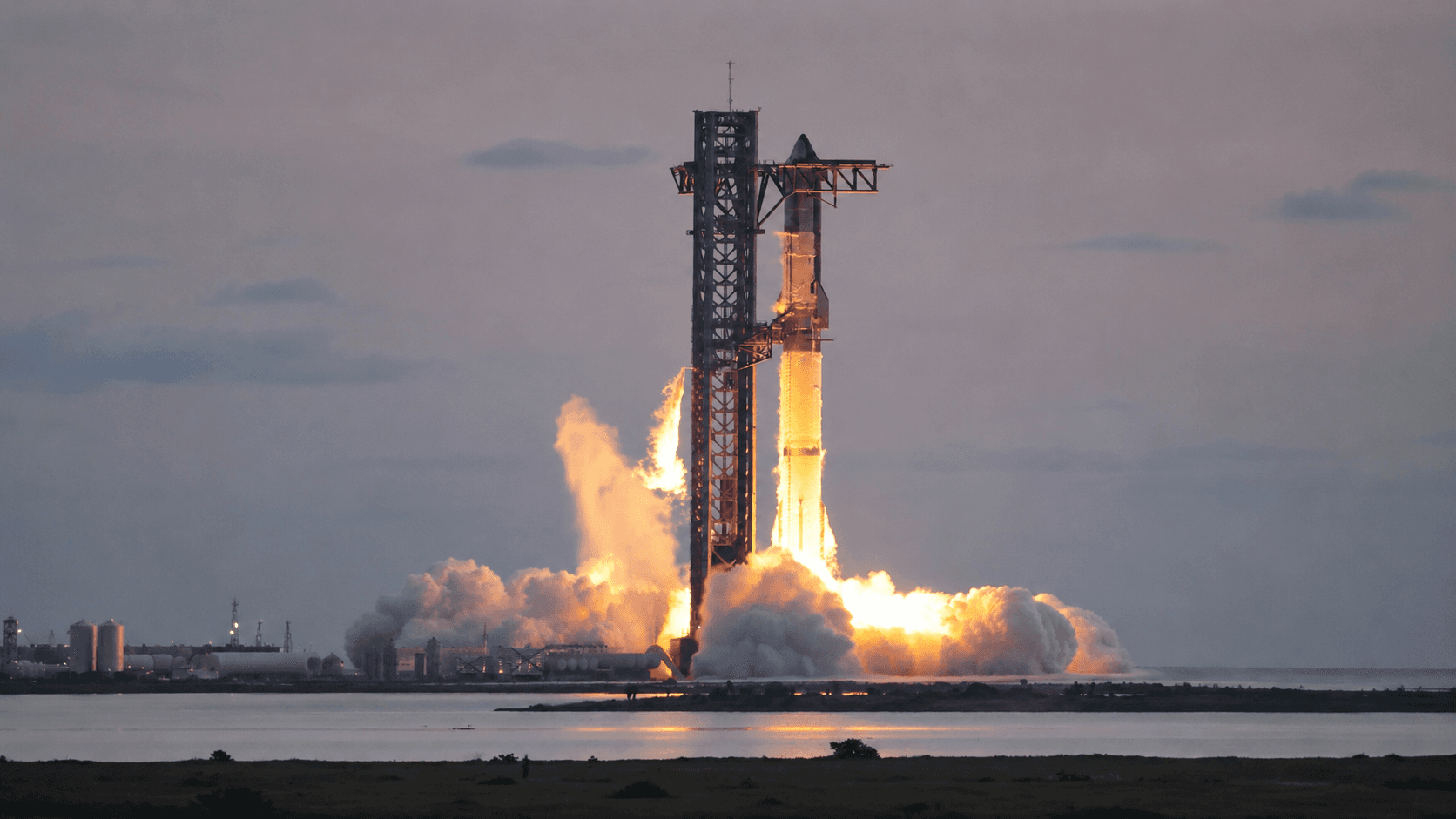
SpaceX has staked its IPO pitch on a $26.5 trillion AI market opportunity, a figure approaching the $32 trillion US nominal GDP recorded in Q1 2026, while Grok holds just 0.174% of paid consumer AI users in Q2 2026. The company's S-1 filing positions AI as the majority of its addressable market, far larger than its traditional space launch and satellite business, but Grok's current adoption lags well behind OpenAI's ChatGPT at 6% paid consumer share and surging enterprise use of Anthropic's Claude and Google's Gemini.
“the largest actionable total addressable market in human history”— SpaceX, IPO filing disclosure
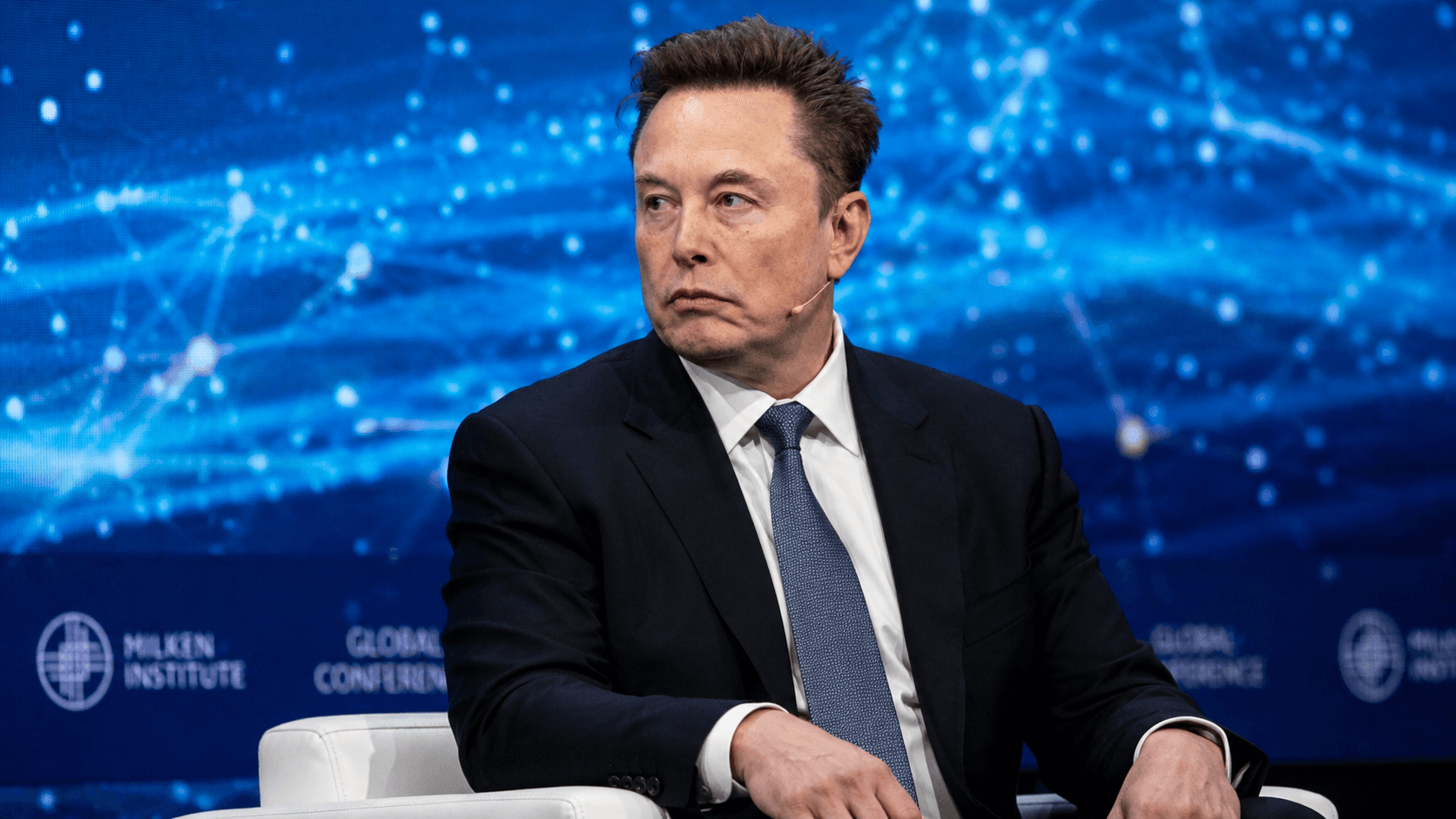
SpaceX formally acquired Elon Musk's xAI earlier this year, folding the Grok AI models and chatbot into a new SpaceXAI division. The company now describes space as a supporting role to AI, a strategic reorientation disclosed in financial documents ahead of the expected IPO. The $26.5 trillion market estimate significantly exceeds third-party projections — Gartner forecasts $3.3 trillion in worldwide AI spending by 2027, and Citigroup projects a $4.2 trillion global AI market by 2030.
Corporate adoption of rival models has accelerated sharply. Enterprise Technology Research's survey of 500 respondents showed Claude usage among companies jumping from 21% in 2025 to 48% in 2026, while Gemini rose from 27% to 40% in the same period. Grok's corporate usage grew from 4% to 7%, a smaller absolute gain. Paid consumer usage of Grok remained below 0.2% in Q2 2026, per AppMagic's survey of 260,000 US consumers and workers.
Key facts
- 01SpaceX projects a $26.5 trillion AI market opportunity in its IPO filing, approaching US GDP of $32 trillion in Q1 2026.
- 02Grok captured 0.174% of paid consumer AI users in Q2 2026, versus 6% for ChatGPT and rising enterprise share for Claude and Gemini.
- 03SpaceX posted a $4.3 billion net loss in Q1 2026 while spending over $10 billion on AI infrastructure and hardware.
- 04The company disclosed plans for up to 1 million satellites as orbital data centers, a project requiring over $1 trillion.
- 05US government usage shows just 3 public mentions of xAI or Grok out of more than 400 disclosed federal AI deployments in 2025.
US government adoption has been minimal. An examination of federal AI inventory records in 2025 showed just 3 public mentions of xAI or Grok out of more than 400 publicly disclosed AI deployments. SpaceX disclosed launches of Grok Business, Grok Enterprise, Grok API, and xAI Gov in its filing, targeting enterprise and government customers as expansion vectors.
Grok's usage spike coincided with a January 2026 update allowing the model to generate sexualized images, including virtual undressing of real people, a feature that persisted for weeks before developers addressed it. The incident triggered lawsuits against xAI and prompted the European Union to ban nudifying apps. Grok retains features labeled Spicy and Unhinged modes, which SpaceX acknowledged carry heightened risks including potential nonconsensual imagery, misinformation, and intellectual property infringement.
“We have launched Grok Business, Grok Enterprise, Grok API, and xAI Gov, products that we believe will be attractive to enterprises and governments, and we expect substantial opportunities to acquire new customers”— SpaceX, S-1 filing
The company disclosed two experimental projects beyond Grok. Macrohard, developed with Tesla, is pitched as an agentic AI platform designed to fully emulate digital workflows and augment human computer operation. Terafab, a joint venture with Tesla and Intel, aims to build a chip manufacturing facility capable of producing 1 terawatt per year of compute hardware. Both projects are in the very early stages, per the filing.
SpaceX claims to own and operate the largest AI training data center clusters on Earth, referencing its Colossus and Colossus II campuses in Memphis, Tennessee. The company recently struck a deal giving Anthropic complete use of the entire compute capacity for the Colossus data center, a move analysts attribute to inefficiencies in the rapid buildout that incorporated a mix of Nvidia GPU chips unsuitable for AI training workloads. Anthropic will pay xAI $1.25 billion per month for that compute through May 2029, a deal we covered earlier this week.
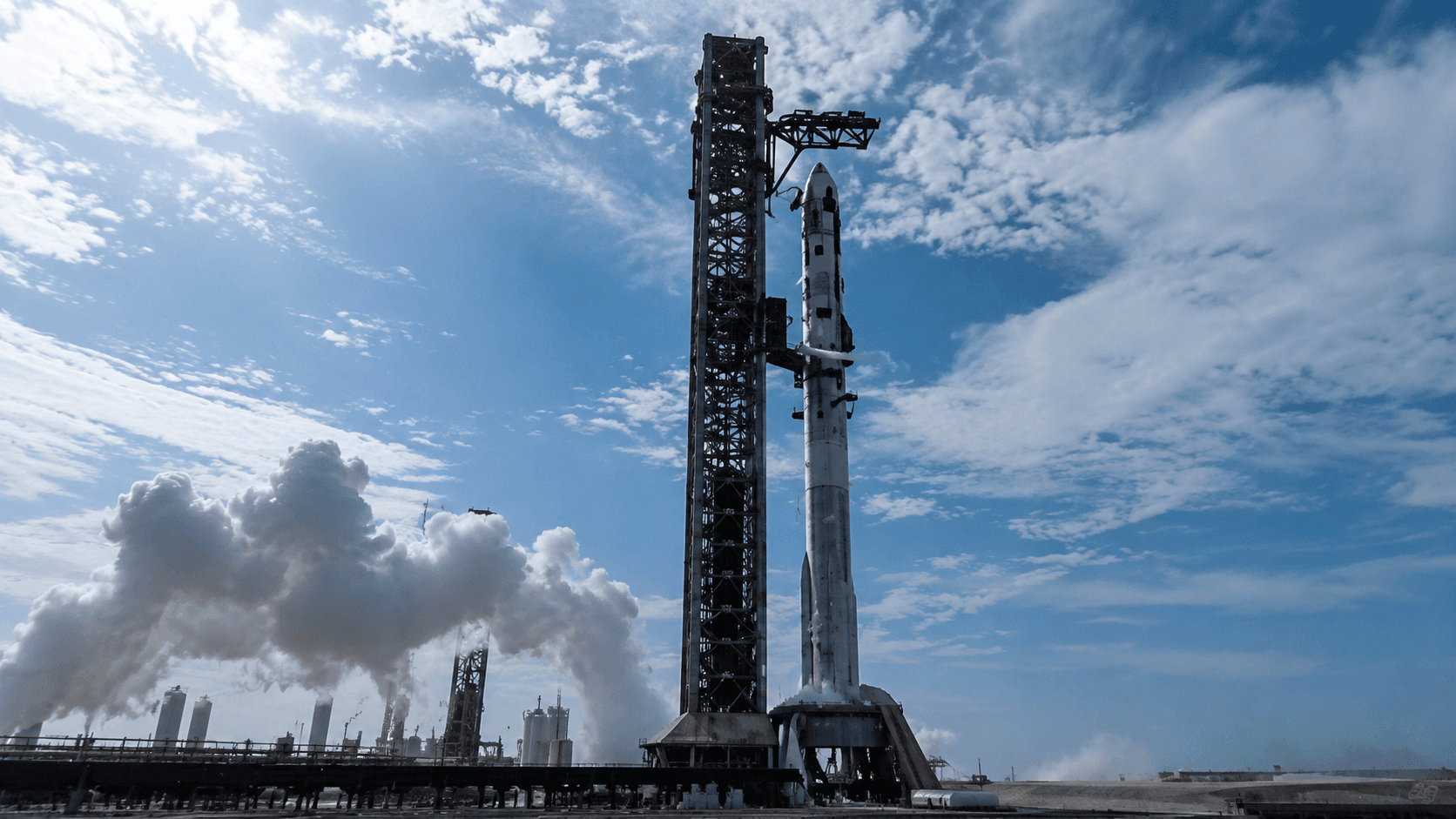
The filing's centerpiece vision is deploying up to 1 million satellites as orbital data centers, leveraging SpaceX's launch capabilities to bypass terrestrial infrastructure constraints. The company positions itself as uniquely suited to execute this plan, though building the orbital constellation would require more than $1 trillion in capital.
SpaceX reported a $4.3 billion net loss in Q1 2026 while spending more than $10 billion on AI infrastructure and hardware, per Morningstar. The company's debt load has reached $29 billion, and Starlink is the only profitable unit. The IPO is positioned as a critical cash infusion to sustain the AI buildout and satellite deployment roadmap.
The filing's AI market projection sits uneasily against Grok's current market position. SpaceX is asking investors to fund a multi-trillion-dollar infrastructure bet while the product generating revenue today holds a fraction of a percent of paid users and negligible government traction. The gap between the stated addressable market and realized adoption will define whether the IPO finds sufficient support.
The orbital data center vision is technically plausible but economically unproven at the scale SpaceX envisions. A trillion-dollar satellite constellation is orders of magnitude beyond any prior private-sector space project, and the business case rests on cost advantages that do not yet exist at commercial scale. The IPO will test whether investors believe SpaceX can close both the Grok adoption gap and the orbital economics gap before the capital runs out.

Working on something we should cover, or seeing a story we missed? Send leads, documents, or feedback to hello@aichatdaily.com. For sensitive tips, see our secure tips page for Signal and PGP options.
Spotted an error? Email hello@aichatdaily.com with the URL and the issue, or read our full corrections policy.