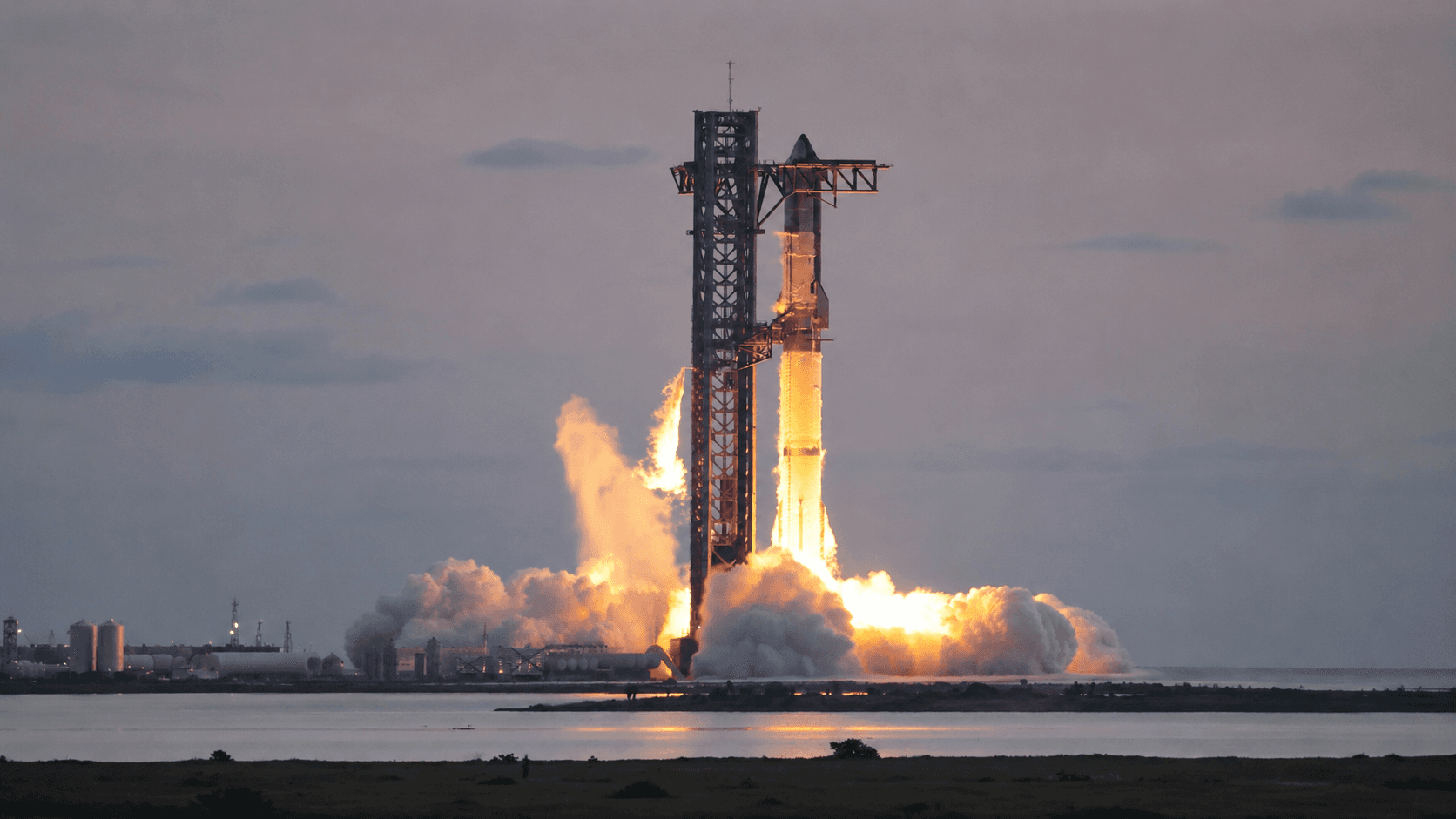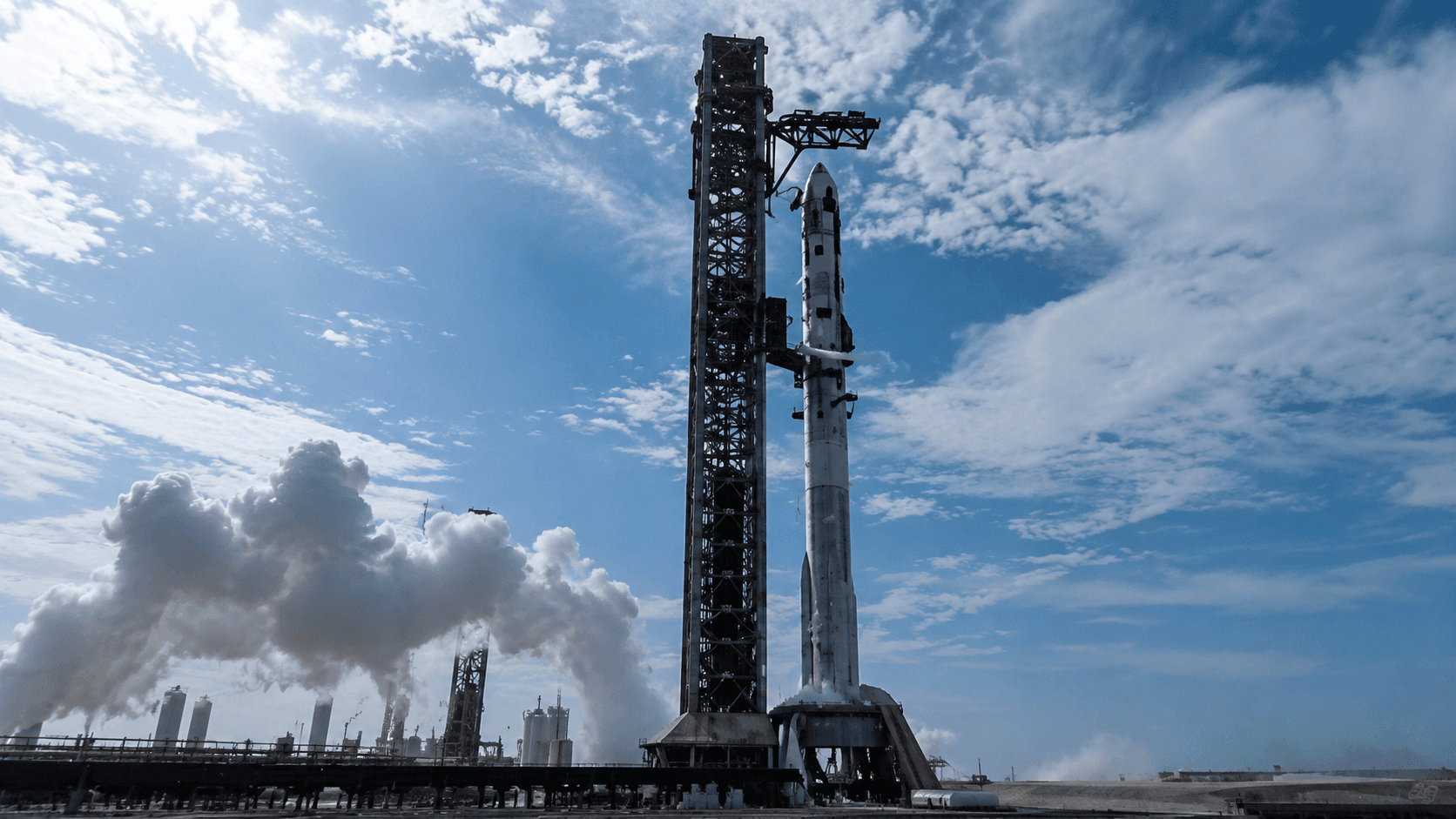
SpaceX has signed a compute deal with Reflection AI worth up to $6.3 billion, giving the open-source lab access to Nvidia GB300 chips at the Colossus 2 data center near Memphis, Tennessee. Reflection AI will pay $150 million per month starting July 1, 2026, with the contract running through 2029. It is the third major AI lab to rent capacity from SpaceX's Memphis site, after Anthropic and Google.
The Reflection contract is structured like the prior two: a three-year nominal term, with a clause letting either party walk away on 90 days' notice after the first three months. Elon Musk has publicly downplayed the three-year framing on the earlier deals, emphasizing that the contracts can be canceled at any time — a point worth holding in mind when comparing headline totals.
At $150 million per month, Reflection's commitment is materially smaller than what SpaceX is collecting from its other tenants. Anthropic is paying $1.25 billion per month and Google is paying $920 million per month, both also running through July 2029. Stacked together, the three contracts represent one of the largest concentrations of rented AI compute on the market, all flowing into a single site originally built by xAI.
Key facts
- 01Reflection AI will pay SpaceX $150M per month from July 1, 2026 through July 2029, a contract worth up to $6.3B.
- 02The deal grants access to Nvidia GB300 chips and supporting hardware at SpaceX's Colossus 2 data center near Memphis, Tennessee.
- 03Either side can cancel with 90 days' notice after the first three months — the same escape clause Elon Musk has touted on prior deals.
- 04Reflection's contract is smaller than SpaceX's $1.25B/month deal with Anthropic and $920M/month deal with Google, both running through July 2029.
- 05Reflection, founded in 2024 by two former Google DeepMind researchers, calls this one of the largest open-weight AI infrastructure commitments to date.
That history is the strange part of the story. Colossus 2 was constructed by xAI, the Musk-founded company that is now part of SpaceX, to train its own frontier models. As xAI's internal model program has lost ground to OpenAI, Anthropic, and Google, SpaceX has pivoted the site's economics — leasing out the GB300 capacity to the very labs xAI was meant to compete with. The chips that were supposed to power Grok are now powering Claude, Gemini, and a forthcoming line of open-weight Reflection models.
Reflection used the announcement to push its open-weight pitch. The lab, founded in 2024 by two former Google DeepMind researchers, releases the trained parameters of its models publicly, in contrast to closed labs like Anthropic and OpenAI. Open-weight strategies have picked up political tailwind after the US government's restrictions on Anthropic's Fable and Mythos models, which AI Chat Daily has covered as part of the broader Anthropic federal-ban story over the past two weeks.
For Reflection, this is the company's first announced compute deal of any size, and it instantly puts the lab in the same buyer tier as the largest closed labs. The economics of training a competitive frontier model are largely a function of how much GB300-class compute a lab can secure for how long, and a three-year nominal lock on $150 million per month is the kind of runway that has previously been reserved for labs valued in the tens of billions.
For SpaceX, the deal further validates a side business that did not exist 18 months ago. Between Anthropic, Google, and Reflection, the company is now booking more than $2.3 billion per month in compute revenue at Colossus 2 alone if all three contracts run at full term. The 90-day cancellation clauses cap the downside for tenants but also mean those revenue figures are softer than the headline totals imply — a structural feature Musk has chosen to emphasize.
The bigger competitive question is what Reflection does with the capacity. The lab has yet to ship a flagship model, and the open-weight category is increasingly crowded, with Meta's Llama line, Mistral, and DeepSeek all competing for the same enterprise and sovereign-AI buyers. Compute alone does not produce a frontier model; researcher density, data quality, and training-recipe expertise still matter, and Reflection has not disclosed headcount or model timelines tied to the new infrastructure.
There is also the dependency question. Reflection's entire near-term compute base sits inside a single SpaceX-owned facility, on hardware leased under a contract either side can exit on 90 days' notice. That is unusual concentration risk for a lab pitching itself as the open, resilient alternative to closed-frontier dependence — the very risk the company's own statement flags when talking about nations and enterprises relying on closed models.
The deal cements SpaceX as a top-tier AI infrastructure landlord almost by accident, and it gives the open-weight camp a credible new entrant with serious silicon behind it. Whether Reflection turns $6.3 billion in nominal compute into a model that actually competes with Claude and Gemini is the open question — but the supply side of the open-source AI race just got materially better funded, and the closed labs no longer have the GB300 fleet to themselves.

Working on something we should cover, or seeing a story we missed? Send leads, documents, or feedback to hello@aichatdaily.com. For sensitive tips, see our secure tips page for Signal and PGP options.
Spotted an error? Email hello@aichatdaily.com with the URL and the issue, or read our full corrections policy.