Tesla is pushing to build more than 1,000 Optimus humanoid robots per week by the end of 2026, up from hundreds per week today, and the ramp is running into two problems at once: robotic hands with more than 100 small components that still require manual assembly, and factory workers who don't want to train the machines meant to replace them. The Information first detailed the internal struggles at Tesla's Optimus program, which has consumed engineering and manufacturing capacity that used to build electric cars.
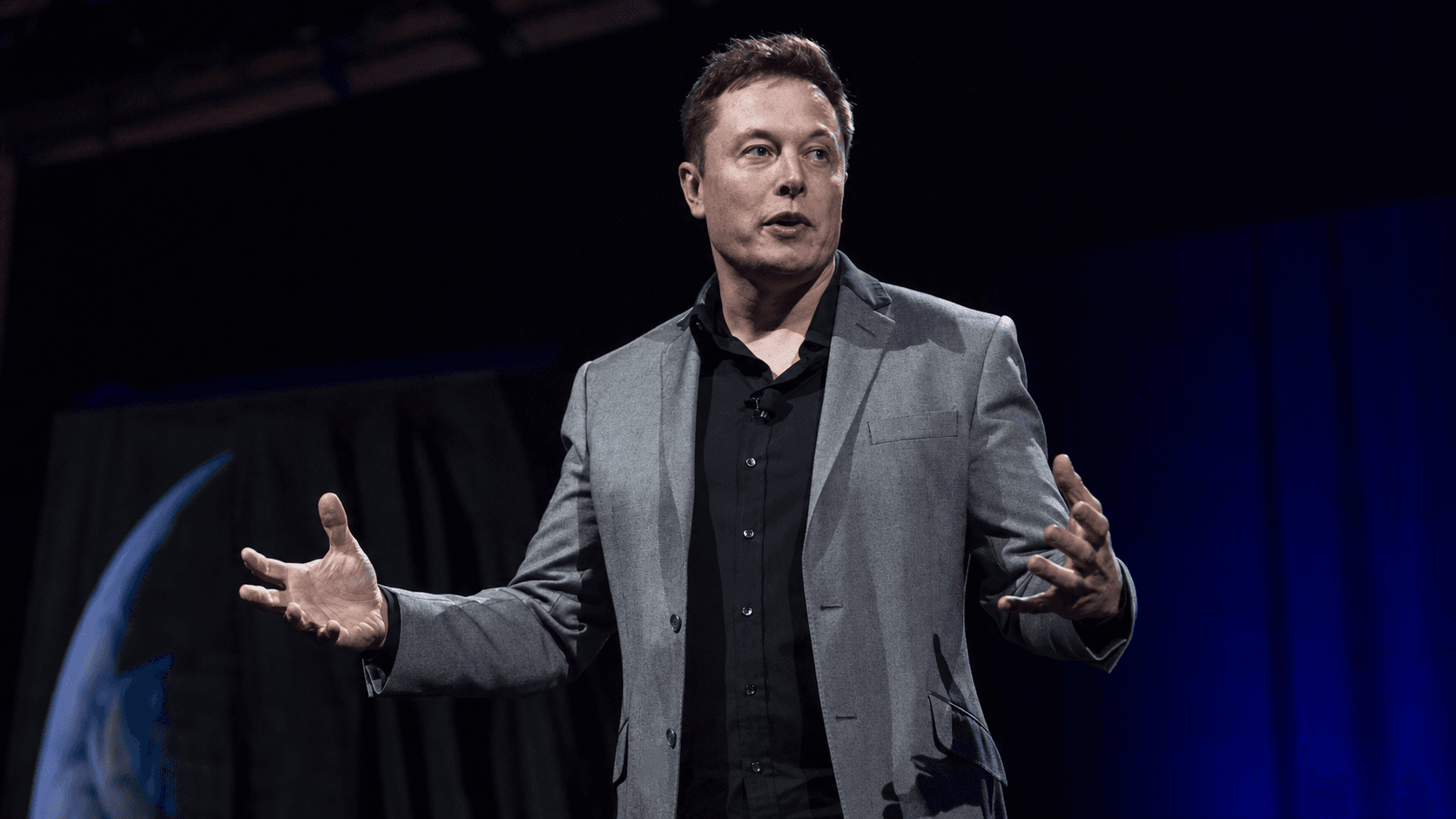
Tesla's Fremont factory in California stopped producing the Model S sedan and Model X SUV in May 2026, with line workers and engineers reassigned to Optimus. CEO Elon Musk has called the robot potentially the company's most important product on the Q2 2026 earnings call, while also acknowledging that a general-purpose humanoid is one of the hardest engineering problems Tesla has taken on.
“the biggest product ever”— Elon Musk, Tesla CEO
The current build, Optimus V3, has proven difficult to manufacture at pace. The Information reported that production-line equipment struggles to precisely align components and that the line cannot be run at full speed without introducing defects. Newly produced robots often need immediate rework before they can leave the floor.
Key facts
- 01Tesla is targeting more than 1,000 Optimus robots per week by the end of 2026, up from hundreds per week today.
- 02The Fremont factory in California stopped making the Model S and Model X in May 2026 to shift workers and engineers onto Optimus.
- 03Optimus hands and forearms contain more than 100 small components and are still manually assembled by human workers.
- 04Hyundai plans to deploy up to 25,000 Atlas humanoid robots from Boston Dynamics over the next several years.
- 05The FCC banned new foreign-made humanoid robots, robot dogs, and robot vacuums in July.
The hands are the bottleneck. Each Optimus hand-and-forearm assembly contains more than 100 small parts, including screws, and humans still put them together by hand. Touch sensors have been unreliable enough that Tesla built a glove-like replaceable sensor layer so the entire hand doesn't have to be swapped when a sensor fails.
Training the underlying AI has created its own labor problem. Tesla asked factory workers in Texas and California to wear motion-capture suits during their shifts so the company could collect imitation-learning data. Some workers pushed back, telling The Information they knew the robots were designed to eventually replace them. Tesla has since shifted that data collection to dedicated teams and set up training hubs staffed for the purpose.
“knew the robots were designed to eventually replace them”— The Information source, Tesla worker cited by The Information
The robots themselves are not yet general-purpose. A source cited by The Information described Optimus units in the field as requiring task-specific programming inside carefully controlled environments — closer to traditional industrial automation than to the flexible humanoid workforce Musk has pitched.
Supply chain remains another exposure. Tesla continues to rely on Chinese suppliers for a range of Optimus components, a pattern across the broader US robotics industry despite the Trump administration's push to onshore production. In July, the Federal Communications Commission banned new foreign-made robots, including humanoids, four-legged robot dogs, and robot vacuum cleaners, tightening the regulatory perimeter around imported hardware.
The competitive field is crowded. Toyota plans to spend billions upgrading factories with robots, including some humanoids. Hyundai plans to deploy up to 25,000 Atlas humanoid robots developed by its US subsidiary Boston Dynamics over the next several years. Automakers in China, Japan, and South Korea are all working on humanoids, alongside dedicated robotics companies.
Oregon-based Agility Robotics is one of the furthest along on commercial deployment, having put humanoids to work at a GXO Logistics warehouse near Atlanta in 2024. Even so, the business case for humanoids remains unproven at scale, and safety around human coworkers is still an open question across the industry.
Optimus is now the load-bearing bet inside Tesla's long-term story, and the near-term math is unforgiving. Hitting 1,000 units per week by year-end requires both a hand assembly that doesn't need manual rework and a training pipeline that doesn't depend on the goodwill of the workers being automated away. Neither problem has a clean solution today, and both are the kind that grind slowly rather than break through — which suggests the humanoid ramp will look more like the early Model 3 production hell than the frictionless rollout Musk has described on earnings calls.

Working on something we should cover, or seeing a story we missed? Send leads, documents, or feedback to hello@aichatdaily.com. For sensitive tips, see our secure tips page for Signal and PGP options.
Spotted an error? Email hello@aichatdaily.com with the URL and the issue, or read our full corrections policy.