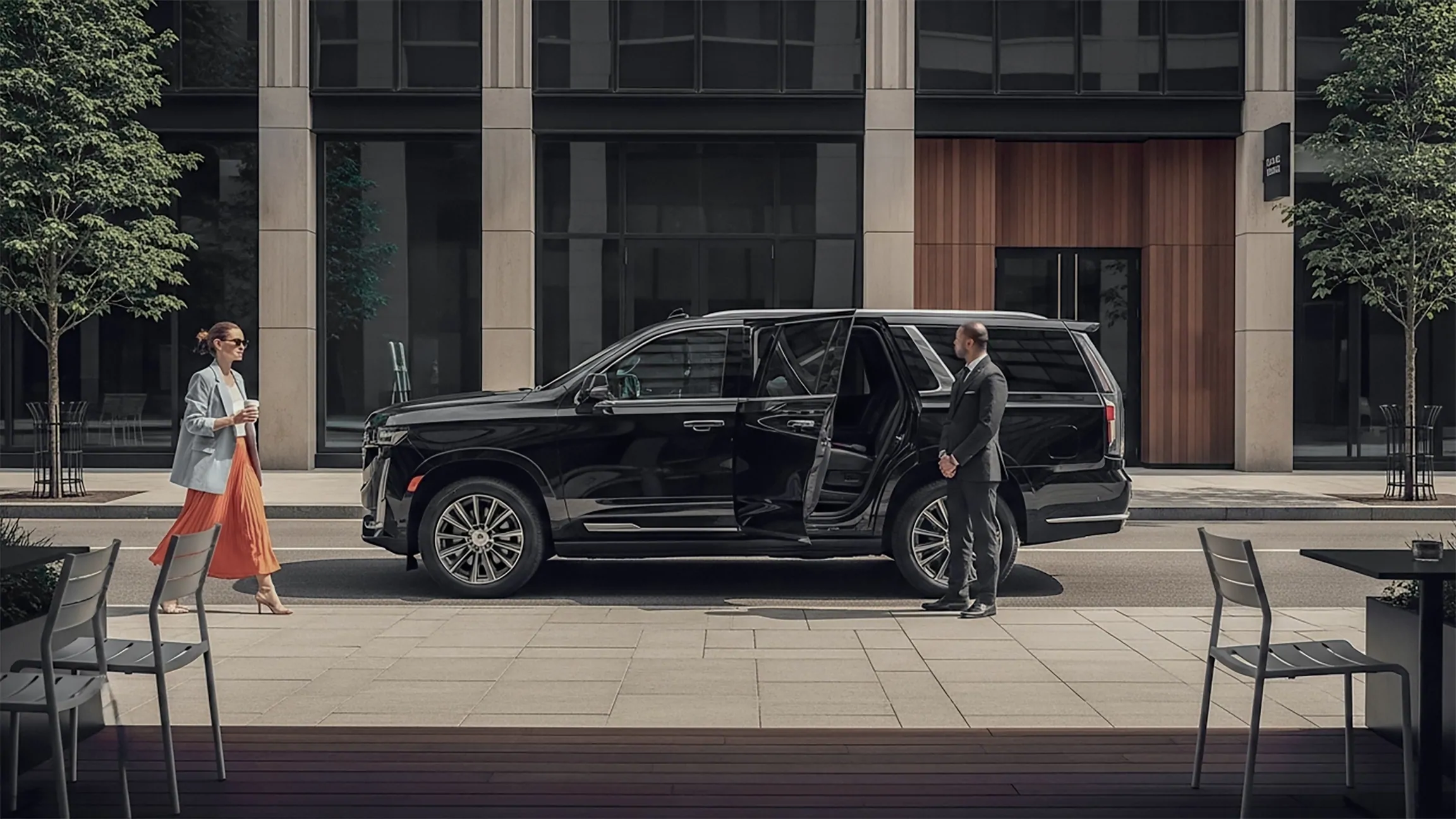
Waymo and Uber confirmed Monday that their robotaxi partnership in Phoenix has ended, closing the first market the two companies launched together and redirecting the autonomous fleet to DoorDash deliveries instead. The Phoenix program never grew past just over a dozen vehicles, a fraction of the hundreds of Waymo cars now running exclusively on Uber in Austin and Atlanta. The pilot actually wrapped about a month before the public confirmation, surfaced in a social media post by Autmny AI founder Grayson Brulte.
Uber framed the wind-down as a deliberate graduation rather than a breakup. The ride-hailing company said the Phoenix work informed how it scaled the two larger Waymo markets, and it plans to partner with another autonomous vehicle company in Phoenix without naming which one.
“Phoenix was our first pilot market with Waymo and was an intentionally limited deployment, reaching just over a dozen vehicles dedicated to the program.”— Uber, company statement
Waymo, owned by Alphabet, operates roughly 4,000 automated vehicles across the US and is the clear domestic leader in driverless rides. Its cars are available exclusively through Uber in Austin and Atlanta, primarily through Waymo's own app in nine other cities, and will launch on Lyft in Nashville later this year on a non-exclusive basis. The Phoenix vehicles, rather than being pulled off the road, will keep operating locally to make autonomous deliveries for DoorDash.
Key facts
- 01Waymo robotaxi rides are no longer available on Uber in Phoenix; the pilot wound down about a month before the June 29 confirmation.
- 02The Phoenix deployment topped out at just over a dozen vehicles, versus hundreds now operating exclusively on Uber in Austin and Atlanta.
- 03The vehicles will stay in Phoenix for DoorDash autonomous deliveries, putting Waymo on a platform that competes with Uber Eats.
- 04Alphabet-owned Waymo runs roughly 4,000 automated vehicles in the US and will launch on Lyft in Nashville later this year without exclusivity.
- 05Uber CEO Dara Khosrowshahi said AV Mobility trips on Uber are up more than 10x year over year, live in 8 cities with plans for 15 by year-end.
That last detail is the awkward part for Uber. DoorDash competes directly with Uber Eats, so the same Waymo cars that used to carry Uber passengers will now be moving orders for an Uber rival. Waymo called the pilot a productive one that paved the way for future expansions and partnerships across the globe, language that signals it is comfortable splitting its platform bets by city and by use case.
The Phoenix exit lands at a moment when Uber is trying to convince investors it remains the indispensable demand layer for every robotaxi operator that isn't Tesla. The company has signed deals with Waymo, Amazon-owned Zoox, Rivian, China's Pony.AI, and Croatia's Verne. Tesla, which is building its own ride-hailing service, currently operates just 69 registered automated vehicles in Texas and obtained a permit last fall to run a ride-hailing service in Arizona.
On Uber's first-quarter earnings call, CEO Dara Khosrowshahi leaned into the platform pitch with the cleanest number the company has on autonomy.
“AV Mobility trips on Uber increased more than 10x year over year, and we are now live in eight cities, with plans to expand to up to 15 by year-end.”— Dara Khosrowshahi, Uber CEO
The 10x trip growth is the figure Uber wants the market focused on, and the eight-to-fifteen city expansion plan is what it is selling to operators choosing between building their own consumer app or plugging into existing demand. Phoenix complicates that pitch by showing that even Waymo, the partner most closely identified with the Uber tie-up, is willing to walk a market and hand the assets to a rival delivery platform.
The competitive map in Phoenix is also getting crowded. Tesla holds permits in Arizona for both ride-hailing and autonomous vehicle testing with a safety driver. Zoox said in March it would begin testing in Phoenix with plans to launch driverless ride-hailing in the city this year. Waymo itself has issued a pair of voluntary software recalls since last month, including one to fix an issue that let its robotaxis drive into construction zones on Phoenix freeways.
The skeptical read is that exclusivity in Austin and Atlanta is the exception, not the template. Waymo has the fleet, the safety record, and the brand to choose where to ride solo and where to lean on a partner, and Uber's leverage shrinks every time Waymo proves it can route the same hardware to a different revenue stream. DoorDash picking up the Phoenix cars is a small data point, but it is the kind of small data point that scales.
For Uber, the math still works as long as AV trip volume keeps compounding at 10x and the city count keeps climbing. For Waymo, the Phoenix decision suggests a more flexible commercial model than the exclusive-partner narrative implies — passenger rides through Uber in some cities, its own app in others, Lyft in Nashville, and now deliveries through a third party in the market where it has operated longest. The robotaxi business is consolidating around fewer credible operators, but the distribution layer underneath it is splintering, and that is the dynamic both Uber and Waymo will be navigating through the back half of the year.

Working on something we should cover, or seeing a story we missed? Send leads, documents, or feedback to hello@aichatdaily.com. For sensitive tips, see our secure tips page for Signal and PGP options.
Spotted an error? Email hello@aichatdaily.com with the URL and the issue, or read our full corrections policy.