Software engineering, the white-collar job most exposed to AI on paper, is turning out to be the most resilient role in tech hiring. SignalFire's latest State of Talent Report, drawn from career data across more than 80 million companies, found engineering hiring at large tech employers fell just 11% from 2019 levels in 2025 — well under the 25% decline across all tech functions. Engineers made up 55% of new hires last year at the 12 firms SignalFire classifies as Tech Majors, up from 46% in 2019.
That cohort includes Alphabet, Meta, Apple, Amazon, Microsoft, Netflix, Nvidia, Tesla, Uber, Airbnb, Block, and Stripe — the same companies that have publicly cited AI as a reason for layoffs. May 2025 produced the highest single-month tech layoff total in years, with AI named as the leading driver in Challenger, Gray & Christmas's tracking. The hiring side of the ledger tells a different story.
Asher Bantock, SignalFire's head of research, argues that if AI were genuinely substituting for engineering labor, engineering would be the first function to crater during a contraction. The data shows the opposite: engineering headcount is growing faster than most other tech roles. SignalFire chose hiring data over layoff data because workers often delay updating their employment status after a cut, making real-time layoff tracking unreliable.
Key facts
- 01Engineering hiring fell just 11% from 2019 levels in 2025, versus a 25% drop across all tech roles, per SignalFire's State of Talent Report.
- 02Engineers made up 55% of new hires in 2025 across 12 Tech Majors including Alphabet, Meta, Apple, Amazon, Microsoft, and Nvidia — up from 46% in 2019.
- 03Early-stage startups hired 7% more engineers in 2025 than in 2019, even as overall tech hiring contracted.
- 04Anthropic CEO Dario Amodei warned AI could wipe out 50% of entry-level white-collar jobs and push unemployment to 20% within five years.
- 05SignalFire's analysis tracked careers across more than 80 million companies.
Early-stage startups went further. They collectively brought on 7% more engineers in 2025 than in 2019, even as the broader tech labor market contracted. That cuts against the thesis that AI coding tools let lean teams ship without growing headcount — startups appear to be hiring engineers and giving them AI, not hiring AI in place of engineers.
The gap between forecast and reality has shown up inside the labs that build the models. Anthropic CEO Dario Amodei warned last year that AI could eliminate 50% of entry-level white-collar jobs and push unemployment as high as 20% within five years. Anthropic's own head of economics, Peter McCrory, told TechCrunch in March 2026 he had not yet observed any material AI-driven workforce shift. McCrory said there is "at least no larger material difference in unemployment rates" between workers who use Claude to automate the central tasks of their jobs — technical writers, data entry clerks, software engineers — and workers in jobs requiring physical dexterity.
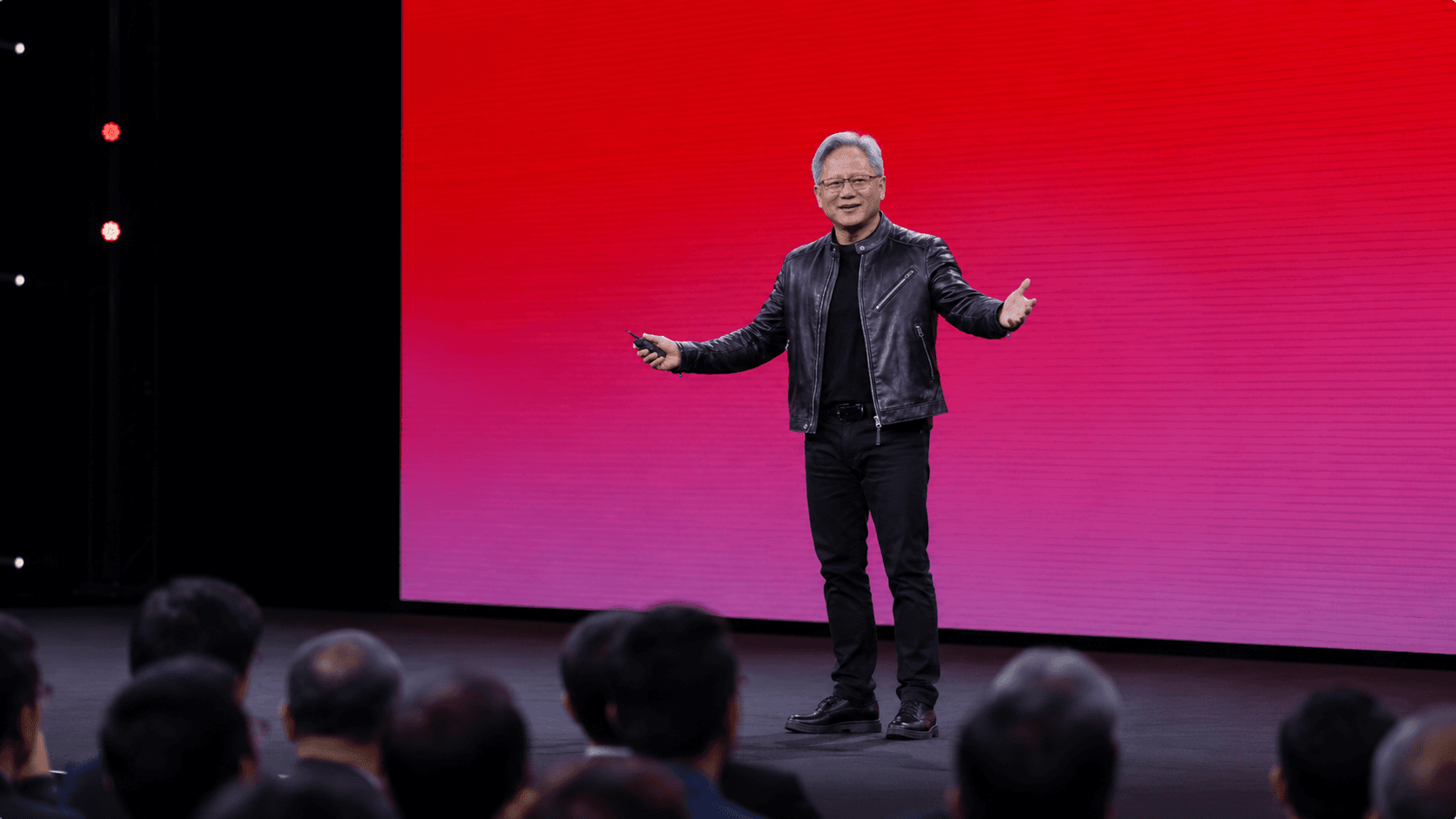
Nvidia CEO Jensen Huang has been more emphatic. Speaking at Stanford Graduate School of Business in April 2026, Huang rejected the engineer-replacement thesis outright. He said that with every Nvidia engineer now using agentic AI, agents write code near instantaneously while constantly pushing humans to generate the next idea. The result, in his framing, is more engineering work, not less.
“software engineers are busier than ever”— Jensen Huang, Nvidia CEO
Bantock attributes the dynamic to the Jevons paradox: when a resource becomes more efficient, demand for it expands rather than contracts. "They're suddenly a lot more productive, and there's endless work for them to do," he said of engineers using AI tools. The backlog of software that companies want built has always exceeded the supply of engineers to build it. Cheaper, faster code production lowers the cost per feature, which uncorks features that were previously not worth building.
There are caveats. SignalFire's data covers 2025 hiring, and AI coding agents have improved sharply in the months since. The mix of engineering hires may also be shifting toward more senior roles that supervise AI output, which would obscure a hollowing-out of junior engineering work — the specific cohort Amodei warned about. Hiring totals do not distinguish between an entry-level backend engineer and a staff-level AI infrastructure hire.
For AI labs and the companies selling coding agents, the SignalFire numbers complicate the marketing pitch. Vendors that frame their products as engineer replacements are pitching against the buying behavior of their largest customers, who are hiring more engineers, not fewer, and equipping them with the tools. The commercial story that travels better — productivity multiplier per engineer — is also the one that matches what Tech Majors are actually doing with their headcount budgets. Whether that holds through 2026 as agent reliability improves is the question worth tracking; for now, the most exposed job in tech is also the one labs and large employers keep buying more of.

Working on something we should cover, or seeing a story we missed? Send leads, documents, or feedback to hello@aichatdaily.com. For sensitive tips, see our secure tips page for Signal and PGP options.
Spotted an error? Email hello@aichatdaily.com with the URL and the issue, or read our full corrections policy.