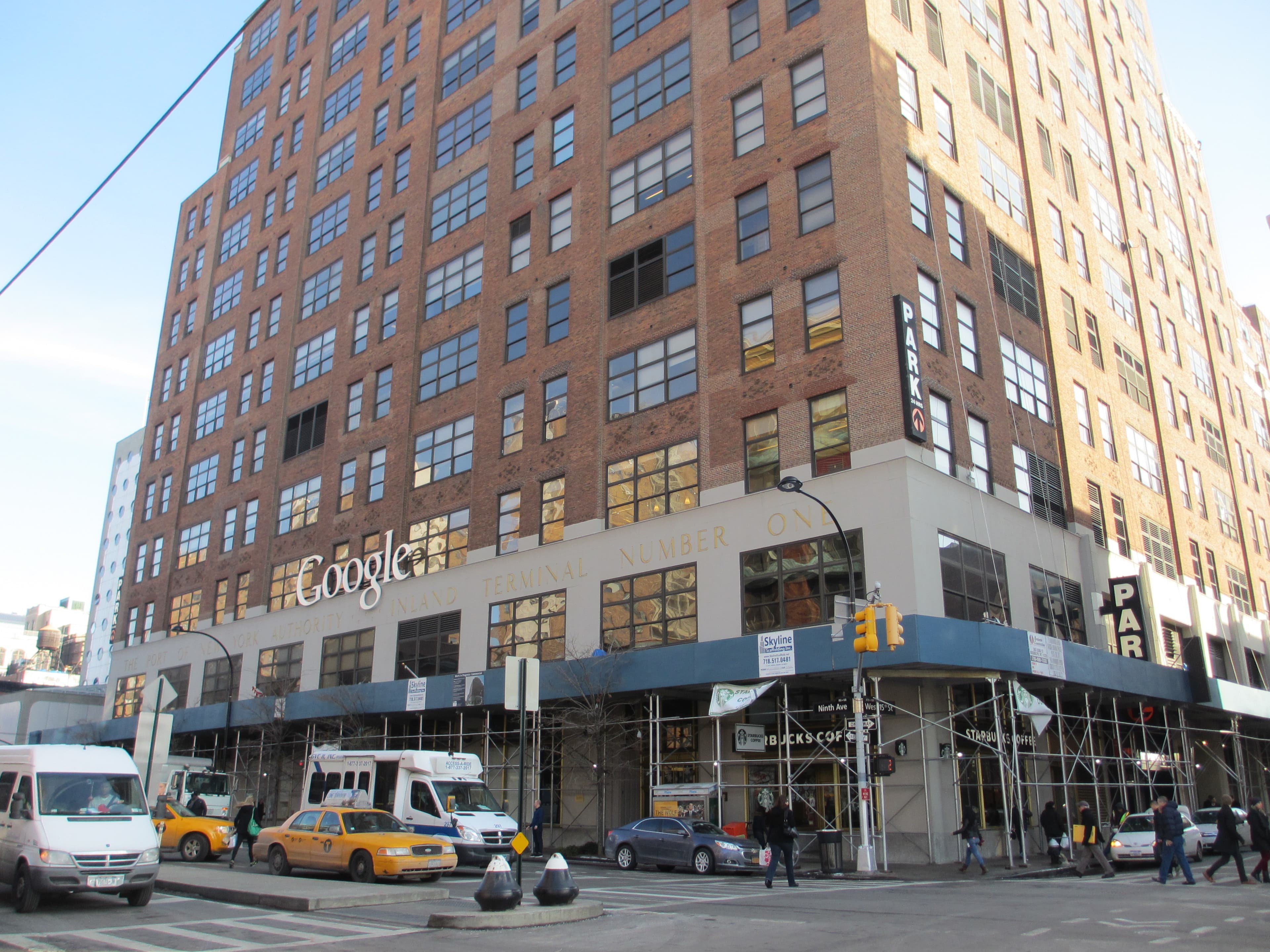
Google SVP James Manyika says under 10% of the 850 to 1,000 occupations tracked by the Bureau of Labor Statistics face full automation through AI, a far cry from the 50% job-loss predictions some frontier labs made two years ago. Manyika, who oversees Google's research and technology-and-society teams, argues that while AI can now automate over 50% of tasks in many jobs, whole-occupation displacement remains structurally constrained by coupled tasks, weak-link dependencies, and the complexity of real work.
Manyika co-authored McKinsey's Jobs Lost, Jobs Gained paper nearly a decade ago, which found that roughly 50% of tasks would be automatable but only 10% of occupations would face full displacement. That ratio has held, he says, even as the technology has advanced. Task-level automation has exploded — AI can now handle tasks lasting 4-plus hours with predictable completion, up from 30 seconds to 1 minute in 2017. But jobs themselves are proving more durable than the model cards suggest.
The durability comes down to coupled tasks and weak links. Most occupations combine tasks that must happen sequentially, and automating only one task in a chain does not speed up the job. A single non-automatable subtask acts as a bottleneck, slowing the entire occupation to the pace of the weakest link. That structural reality keeps whole-job automation in the low single digits, Manyika argues, even as the task-automation rate climbs past 50%.
Key facts
- 01Under 10% of occupations tracked by the Bureau of Labor Statistics have 90% or more of their tasks automatable through AI.
- 02AI can now automate tasks lasting 4+ hours with predictable completion, up from 30 seconds to 1 minute in 2017.
- 03Whole-job automation over the next decade will land between 2% and 10%, not the 50% predicted by some frontier AI labs two years ago.
- 04Over 60% of jobs in 2024 compared to 1945 are new occupations that did not exist in the earlier period.
- 05Seven in 10 Americans oppose data center construction in their communities, per survey data cited by Manyika.
The labor economist in Manyika hears a different speed than the AI researcher. The technology is advancing at an extraordinary pace, he says, but labor markets move slower and follow a more mixed pattern. Some jobs decline, some grow, and most change — the same three-part dynamic McKinsey identified in its original paper. The mix varies by sector and occupation, but all three outcomes happen simultaneously. The debate among economists is whether whole-job automation lands closer to 2% or 10% over the next decade, not whether it hits 50%.
Manyika took direct aim at the 50% prediction made by unnamed frontier labs two years ago. Two years is up, he said in a Platformer interview, and the predicted displacement has not materialized. He is willing to take the same bet for two years from now. The gap between what AI can do in a controlled demo and what it displaces in the messy real economy remains wide.
“It's such an exciting moment. The technology and its capabilities are expanding at an incredible pace. But when you try to translate that into what it might mean for work and jobs and occupations, I get a very mixed view.”— James Manyika, Google SVP for Research and Technology
DeepMind CEO Demis Hassabis echoed the skepticism in a separate interview with Wired, warning that replacing software developers wholesale with AI tools may be shortsighted. Hassabis framed aggressive automation as a failure of imagination, suggesting that companies underestimate what human developers will still do even as AI handles more of the grunt work. Google's leadership appears aligned on a slower, more incremental displacement thesis than some of its rivals.
The job-creation side of the ledger also gets underplayed. Manyika cited research by MIT economist David Autor showing that over 60% of jobs in 2024 compared to 1945 are occupations that did not exist in the earlier period. The technology changes demand, creates new roles, and expands existing ones even as it automates tasks. The net effect on employment remains an open question, but the historical pattern is growth and churn, not wholesale replacement.
Public sentiment is souring on the infrastructure side. Seven in 10 Americans now oppose data center construction in their communities, a political headwind for the industry as it races to build out capacity for training and inference. The message many Americans have absorbed — AI will take your job and might kill you — has not rallied support for the buildout, and Manyika's team at Google is tasked with developing strategy around the broader social consequences.
“I think it's a lack of imagination—and a lack of understanding of what's really going to happen.”— Demis Hassabis, DeepMind CEO
Manyika's optimism is not universal inside the industry. Executives at Microsoft and Anthropic have signaled that a significant share of white-collar work faces near-term displacement, a view that puts them at odds with Google's more measured public position. The disagreement is partly philosophical — how much weight to give task automation versus whole-job structure — and partly strategic, as companies position themselves differently on the inevitability and speed of labor-market disruption.
The stubborn sub-10% whole-job automation figure matters because it reframes the policy conversation. If most jobs change rather than disappear, the challenge is retraining and wage adjustment, not mass unemployment. If only a small fraction of occupations face full displacement, the timeline for disruption stretches longer, and the political urgency shifts. Manyika's bet is that the doomers are wrong not because AI is weak, but because jobs are harder to kill than tasks are to automate.

Working on something we should cover, or seeing a story we missed? Send leads, documents, or feedback to hello@aichatdaily.com. For sensitive tips, see our secure tips page for Signal and PGP options.
Spotted an error? Email hello@aichatdaily.com with the URL and the issue, or read our full corrections policy.