DeepSeek is designing its own data center inference chips, according to Reuters reporting citing three people familiar with the matter. The Chinese large language model developer has been working on the silicon project for about a year, meeting with potential hardware partners and hiring engineers. The stated aim is to reduce dependency on both Nvidia and Huawei — a pointed choice in a market where those two names define almost every option.
The focus is inference, not training. That distinction matters: inference silicon is easier to specialize, cheaper per unit to iterate on, and directly tied to the cost of serving models to users. DeepSeek, whose open-weight models have drawn comparisons to systems from OpenAI and Anthropic, is signaling that it wants to control the economics of running those models at scale rather than only the research behind them.
US export controls are the immediate pressure. Washington's restrictions have kept Nvidia's most capable data center GPUs out of Chinese hands, leaving domestic buyers heavily reliant on Huawei, which controls about half of the data center chip market in China. Building an in-house alternative gives DeepSeek a hedge against both a single dominant domestic supplier and further tightening from Washington.
Key facts
- 01DeepSeek has spent about a year working on a silicon project focused on data center inference chips, not training.
- 02The stated goal is to reduce dependency on both Nvidia, which is largely blocked from China by US export controls, and Huawei.
- 03Huawei currently controls about half of the data center chip market inside China.
- 04Alibaba and Baidu are pursuing parallel custom-silicon efforts as Chinese firms move to insulate themselves from US chip restrictions.
- 05OpenAI and Broadcom unveiled Jalapeño, OpenAI's first inference chip designed for scale, a couple of weeks earlier.
DeepSeek is not moving alone. Alibaba and Baidu have been developing their own silicon programs, part of a broader Chinese push to build a self-sufficient AI hardware stack. The competitive question is which of these efforts will produce chips that are actually deployable in production at meaningful volume, and on what timeline.
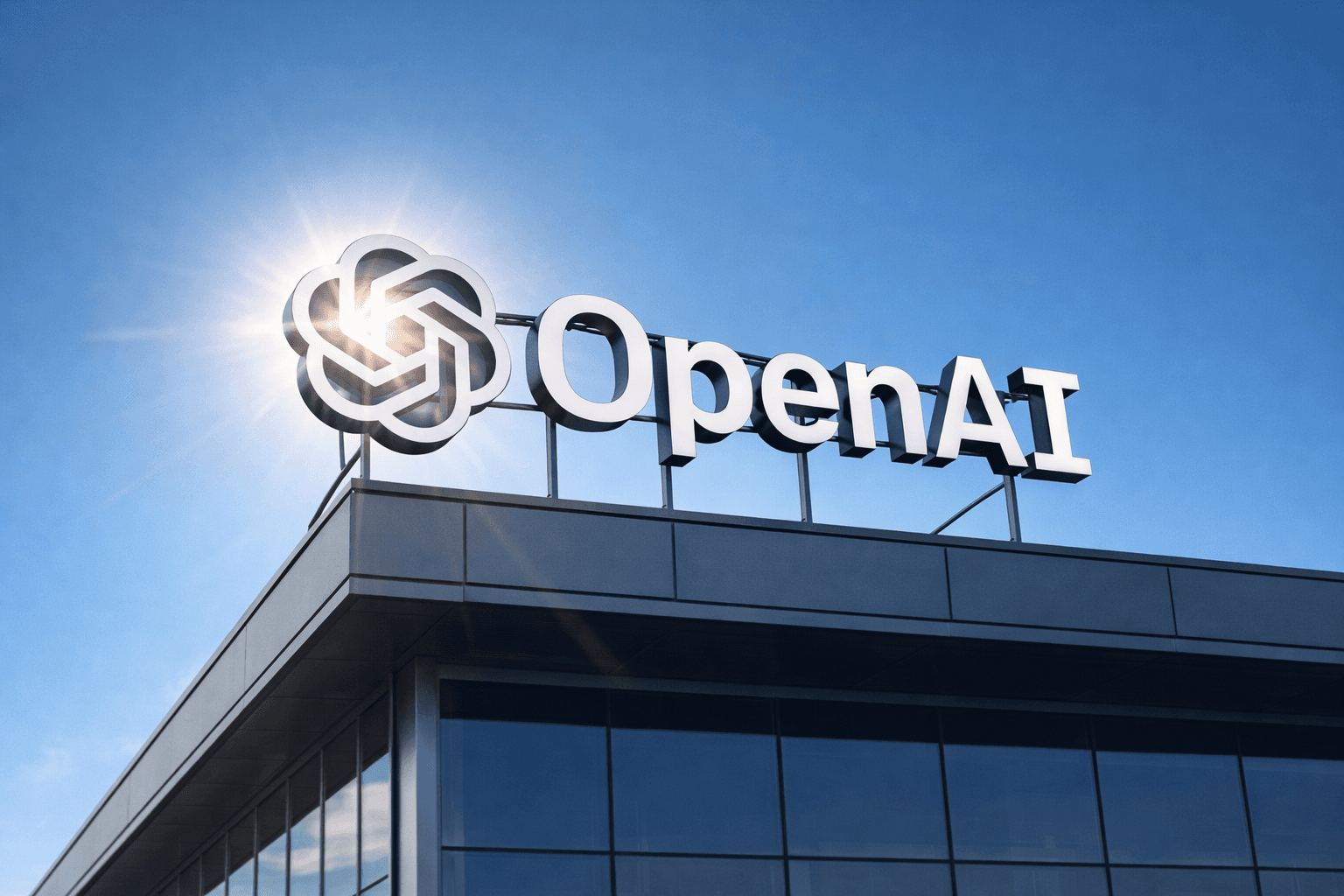
The pattern is not unique to China. OpenAI and Broadcom unveiled Jalapeño, OpenAI's first chip designed for inference at scale, a couple of weeks before the DeepSeek report emerged. Anthropic has also been exploring custom chip design, though it has not disclosed public milestones. For OpenAI, the move reduces exposure to Nvidia pricing while giving the company Apple-like control over its full stack, from silicon up to the product.
That framing applies equally well to DeepSeek. Owning the inference layer means owning gross margin on every token served, and it means insulation from whatever supply shocks — export-driven or otherwise — hit the merchant silicon market next. It also positions the company for a world in which data center capacity, not model architecture, is the binding constraint on growth.
The obstacles are considerable. Designing a competitive inference accelerator from scratch takes years, not months, and requires access to advanced fabrication capacity that is itself subject to US export restrictions on lithography equipment. DeepSeek has not disclosed a foundry partner, a tape-out timeline, or performance targets. A year of design work is early — most successful custom-silicon programs at hyperscalers have run three to five years before shipping production parts.
There is also the question of software. Nvidia's moat is CUDA as much as it is the hardware itself, and Huawei's Ascend line has struggled with framework support outside a curated set of models. Any DeepSeek chip will need a runtime and compiler stack good enough that its own models — and eventually third-party ones — run without punishing engineering overhead.
The strategic read is that Chinese AI is bifurcating from the Western stack faster than the models themselves would suggest. Weights can cross borders; chips increasingly cannot. If DeepSeek, Alibaba, and Baidu each ship domestic inference silicon over the next two to three years, the cost curve for serving Chinese-market AI will decouple from Nvidia's roadmap entirely. That is the outcome US export policy was designed to prevent, and the outcome it may end up accelerating.

Working on something we should cover, or seeing a story we missed? Send leads, documents, or feedback to hello@aichatdaily.com. For sensitive tips, see our secure tips page for Signal and PGP options.
Spotted an error? Email hello@aichatdaily.com with the URL and the issue, or read our full corrections policy.