Two Asian AI startups have moved into the gap left by Washington's export ban on Anthropic's frontier models, with Tokyo-based Sakana AI launching Fugu and Chinese cybersecurity firm 360 unveiling Tulongfeng within days of each other. The launches landed two weeks after the Trump administration's order cut off non-American access to Mythos and the more restricted Fable 5. Anthropic's run-rate revenue crossed $47 billion in May 2026, and the share tied to Asian enterprise customers is now contestable.
Sakana's Fugu, named for the Japanese blowfish, is pitched as a frontier model that, in the company's words, "stands shoulder-to-shoulder with leading models like Anthropic's Fable 5 and Mythos Preview." The product website advertises "delivering frontier capability without the risk of export controls." Fugu is built for agent workloads, with the ability to orchestrate calls to other models through their APIs rather than competing purely on parameter count.
A Sakana spokesperson said the launch timing was "entirely coincidental," pointing to research presented at ICLR this spring as the foundation. The company was co-founded in 2023 by former Google researchers Ren Ito, Llion Jones, and David Ha, and has focused on affordable generative models tuned for small datasets and the Japanese language.
“Sakana Fugu is something we have been building since last year — the research behind it was presented at ICLR this spring, and it reflects an approach that is central to how we deliver frontier-level value at Sakana AI.”— Sakana AI spokesperson, Sakana AI
Key facts
- 01Sakana AI launched Fugu in Tokyo and China's 360 unveiled Tulongfeng within the same week, two weeks into the US export ban on Anthropic's Mythos and Fable 5.
- 02Anthropic's run-rate revenue crossed $47 billion in May 2026, with undisclosed exposure to the Asian enterprise customers now being courted by Fugu and Tulongfeng.
- 03Sakana, founded in 2023 by ex-Google researchers Ren Ito, Llion Jones, and David Ha, pitches Fugu as an orchestration model coordinating other models via API.
- 04360 founder Zhou Hongyi framed vulnerability-finding AI as a national strategic asset and warned of 'one-way transparency' in cyber capabilities.
Sakana is not framing Fugu as a permanent replacement for American models. The spokesperson said "U.S. models remain important to Asia" and described the moment as a near-term shift rather than "a permanent realignment toward any one set of players." Fugu's initial target is Japanese businesses and government agencies looking to reduce exposure to tightening US export controls.
Ren Ito made the same case at the G7 summit in Evian last week, where AI access and export controls were a central topic. In a Project Syndicate op-ed, he urged the US federal government to treat preserving access for its closest allies as its "first priority."
“AI should not become a technology that is hoarded; it should be one that is developed together”— Ren Ito, Sakana AI co-founder
David Ha was sharper on the strategy. "Orchestration Models are the next frontier, beyond bigger models," he wrote on X, arguing that relying on a single provider for national infrastructure is a risk the export controls have made impossible to ignore. He framed Fugu's design — coordinating many models rather than trying to outscale any one of them — as the technical expression of that thesis.
He also put the geopolitical point bluntly. "Collective intelligence is the practical hedge against this concentration of power," he wrote, casting orchestration as insurance against any single lab's access being revoked.
“Access to top models can disappear overnight”— David Ha, Sakana AI co-founder and CEO
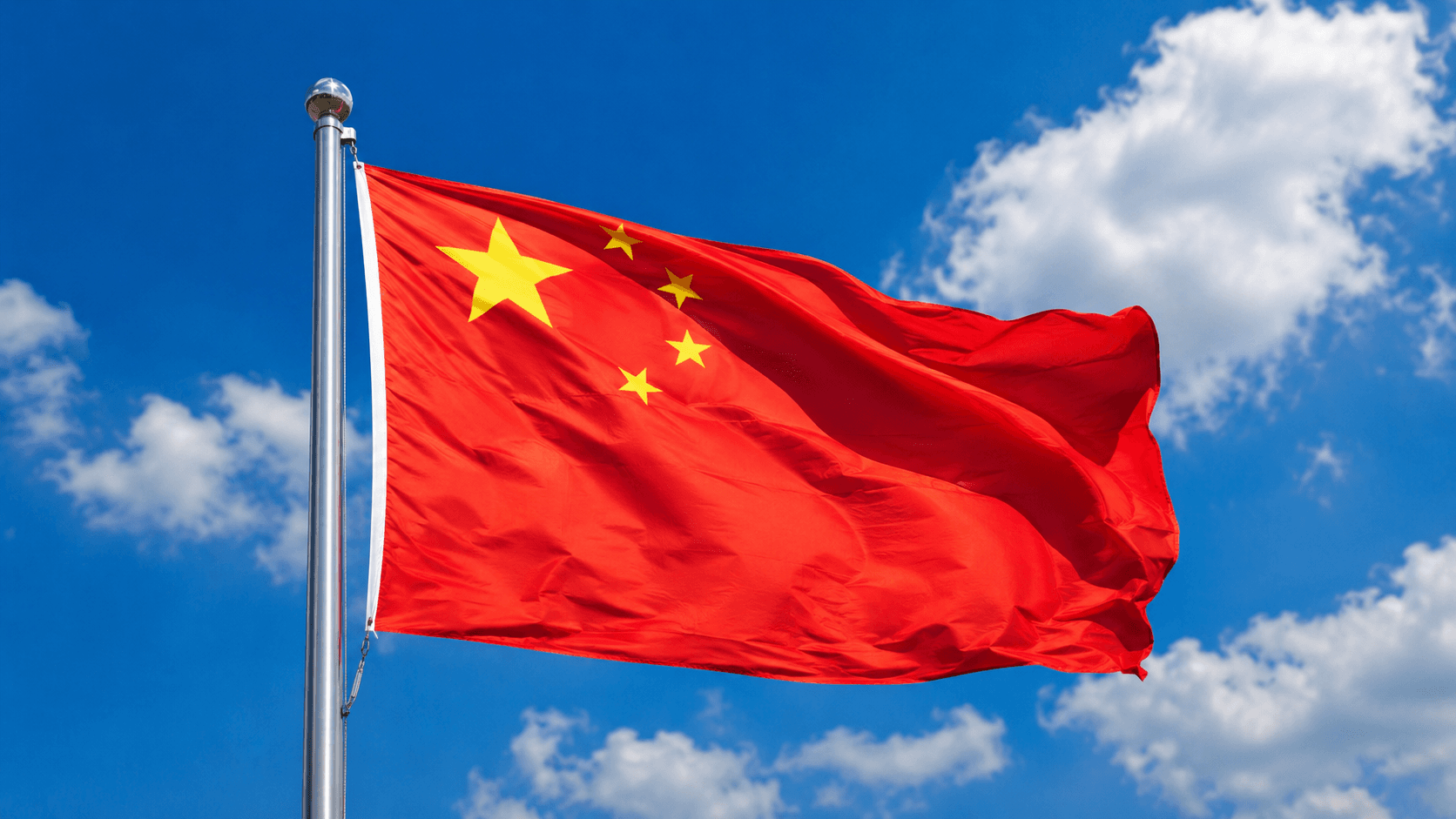
China's 360 was not hedging. The firm reportedly unveiled two security-focused AI tools on Wednesday: Tulongfeng, designed to automatically discover software vulnerabilities, and Yitianzhen, built to automate cyber defense and incident response. Tulongfeng is positioned directly against Anthropic's Mythos, the cybersecurity-focused model at the center of the US export order.
360 founder Zhou Hongyi described vulnerability-finding AI as a national strategic asset and flagged the risk of "one-way transparency" — a scenario in which some actors hold advanced vulnerability-detection capabilities while others do not. 360 did not respond to a request for comment.
The export order took effect two weeks ago and already covers Anthropic's most capable models. The US cleared Anthropic to ship Mythos 5 to roughly 100 firms and agencies under tight controls, but global access remains blocked. How much of Anthropic's $47 billion run rate runs through Asian customers is not public, but two well-funded local alternatives have now planted flags in the territory the ban vacated.
The counterweight is real: Fugu and Tulongfeng have not been independently benchmarked against Mythos Preview or Fable 5, and Sakana's own framing concedes that US models remain important to the region. Orchestration is a credible architectural bet, but it depends on continued access to the third-party APIs Fugu would coordinate — the same access the export ban just demonstrated can vanish. 360's cybersecurity pitch carries its own questions about who the buyer is and what dual-use capability looks like in practice.
The strategic cost of the Mythos ban is becoming legible. Even if the order is eventually lifted, Sakana and 360 will have spent the intervening months training models on local language, local data, and local procurement relationships that Anthropic cannot easily reclaim. Export controls were designed to slow rivals; the early evidence is that they are also accelerating the creation of credible substitutes inside the markets American labs were counting on for growth.

Working on something we should cover, or seeing a story we missed? Send leads, documents, or feedback to hello@aichatdaily.com. For sensitive tips, see our secure tips page for Signal and PGP options.
Spotted an error? Email hello@aichatdaily.com with the URL and the issue, or read our full corrections policy.