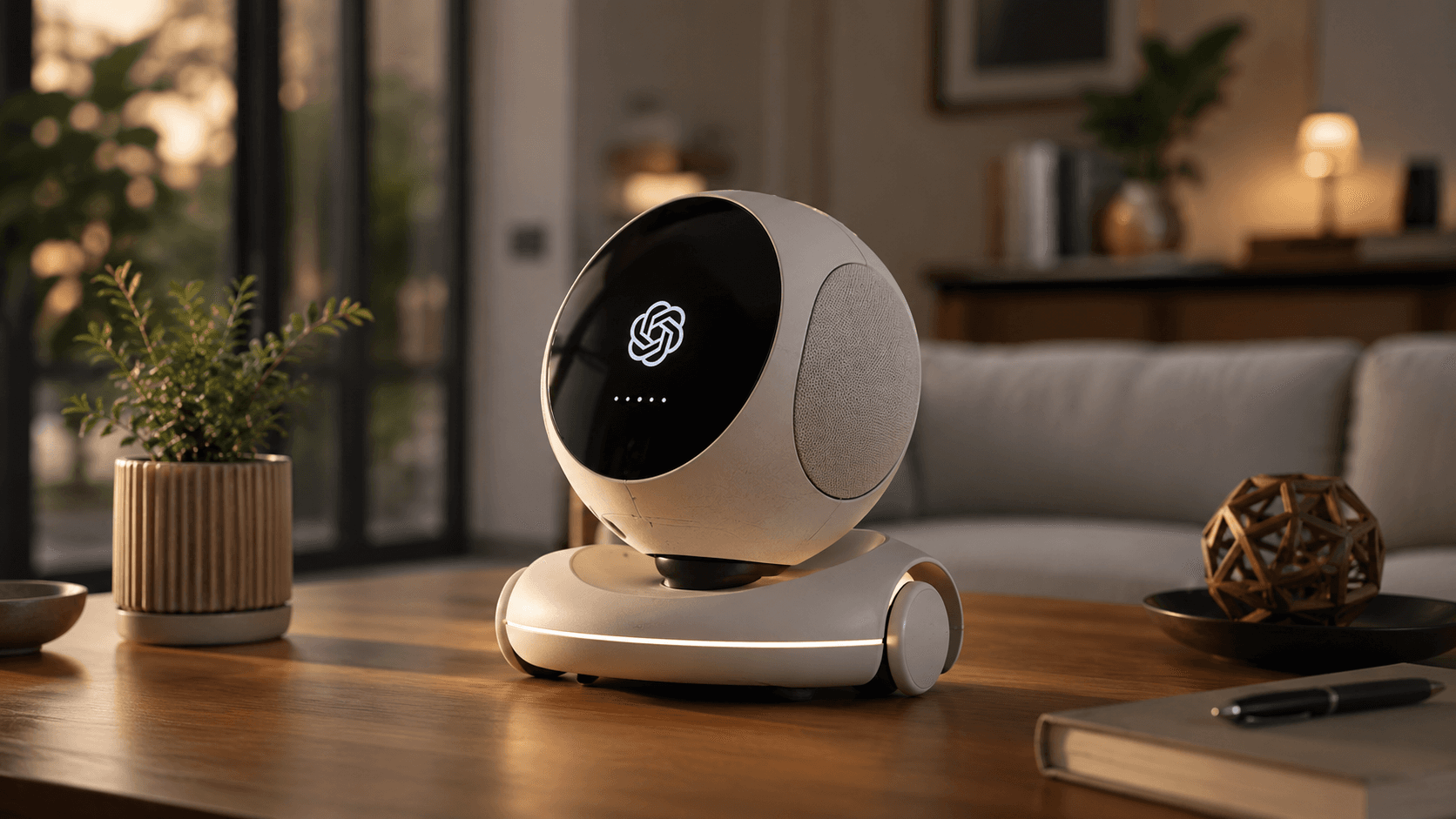
OpenAI launched ChatGPT for Teens, a dedicated version of its chatbot built for younger users with tighter safety guardrails, healthy-use nudges, and a parental control layer. The product is pitched as a learning tool first, with OpenAI framing it as a way for teens to build fluency with AI under conditions the company can shape. It arrives after months of pressure over how the standard ChatGPT product handles minors.
The teen version keeps the core ChatGPT interface but changes what the model will do inside it. OpenAI says the build carries stronger built-in protections, healthy-use features designed to discourage the kind of open-ended late-night sessions that draw regulatory scrutiny, and a separate set of controls that parents can configure. The company is positioning the product as the default surface for anyone under the adult threshold, rather than a toggle inside the main app.
OpenAI's own description of the launch is unusually direct about the intent.
“ChatGPT for Teens helps teens learn, think critically, and use AI with confidence, with stronger built-in protections, healthy-use features, and additional controls for parents.”— OpenAI, company statement
Key facts
- 01OpenAI launched ChatGPT for Teens, a dedicated version of its chatbot built for younger users.
- 02The product ships with stronger built-in protections, healthy-use features, and a new set of parental controls.
- 03The launch follows sustained criticism of how ChatGPT handles minors, including a recent public exchange over Sam Altman's parenting-focused pitch.
The context matters. ChatGPT has faced sustained criticism over the past year for how it interacts with teenagers, from mental-health researchers, school districts, and state attorneys general who have questioned whether general-purpose chatbots are appropriate for minors without additional friction. A dedicated teen product lets OpenAI answer that criticism with a specific SKU rather than a policy footnote, and lets it point regulators at a purpose-built system when the next inquiry lands.
It also lands close on the heels of Sam Altman's recent post pitching ChatGPT as a parenting aid, which drew a sharper backlash than the post itself — parents and educators pushed back on the framing of a general chatbot as a co-parent, and on the assumption that families would want that. Shipping a distinct teen product, with parental controls treated as a first-class feature rather than an add-on, is a more defensible answer to that critique than any blog post could be.
The commercial logic is straightforward. Teens are one of the largest cohorts of ChatGPT users in raw session counts, driven by homework, coding help, and general curiosity, but they are also the cohort most exposed to platform risk — the users whose bad experiences generate the loudest headlines and the fastest legislative response. Segmenting them into a controlled product reduces the blast radius of any single incident and gives the company a cleaner story to tell schools, which have become a meaningful institutional customer.
Parental controls are the piece to watch. The specifics OpenAI has surfaced are thin — the launch post describes them as additional controls without enumerating the settings — but the design choices here will determine whether the product is credible. Time limits, topic filters, conversation visibility, and the ability to see what the model refused to answer are all standard expectations from parent-monitoring tools in adjacent categories. A ChatGPT teen product that only offers a soft usage dashboard would draw more criticism than it deflects.
The healthy-use features are the other unknown. OpenAI has been building nudges into the main ChatGPT product for months, including gentler prompts to take breaks during long sessions and language shifts when conversations turn emotional. Whether the teen version goes further — hard session caps, mandatory cooldowns, or friction on specific query patterns — will signal how seriously OpenAI is treating the compulsive-use concern that has followed consumer AI since it went mainstream.
The launch is thin on numbers. OpenAI has not disclosed pricing, availability by region, integration with school accounts, or the age range the product targets, and the announcement post reads more like a positioning document than a full product spec. Competitors including Anthropic and Google have not shipped equivalent dedicated teen products, though both have published safety policies covering minors, and the space is likely to move quickly now that OpenAI has planted a flag.
The open question is enforcement. Age verification on consumer internet products remains a genuinely unsolved problem, and a teen-branded ChatGPT only works if OpenAI can reliably route younger users into it rather than the general product. Self-declared age gates are trivially defeated, and heavier verification — ID checks, payment-instrument signals, school-account integration — brings its own privacy and adoption tradeoffs that the company has not yet addressed publicly.
For OpenAI, the strategic value of ChatGPT for Teens is less about a new revenue line and more about jurisdictional cover. Every state AI bill and every school-district procurement conversation now has a cleaner answer than the one OpenAI could give a month ago, and that shifts the regulatory frame from whether ChatGPT belongs in the hands of minors to whether the teen-specific product is configured tightly enough. That's a much better fight for the company to be in, and it explains why this ship happened now.

Working on something we should cover, or seeing a story we missed? Send leads, documents, or feedback to hello@aichatdaily.com. For sensitive tips, see our secure tips page for Signal and PGP options.
Spotted an error? Email hello@aichatdaily.com with the URL and the issue, or read our full corrections policy.