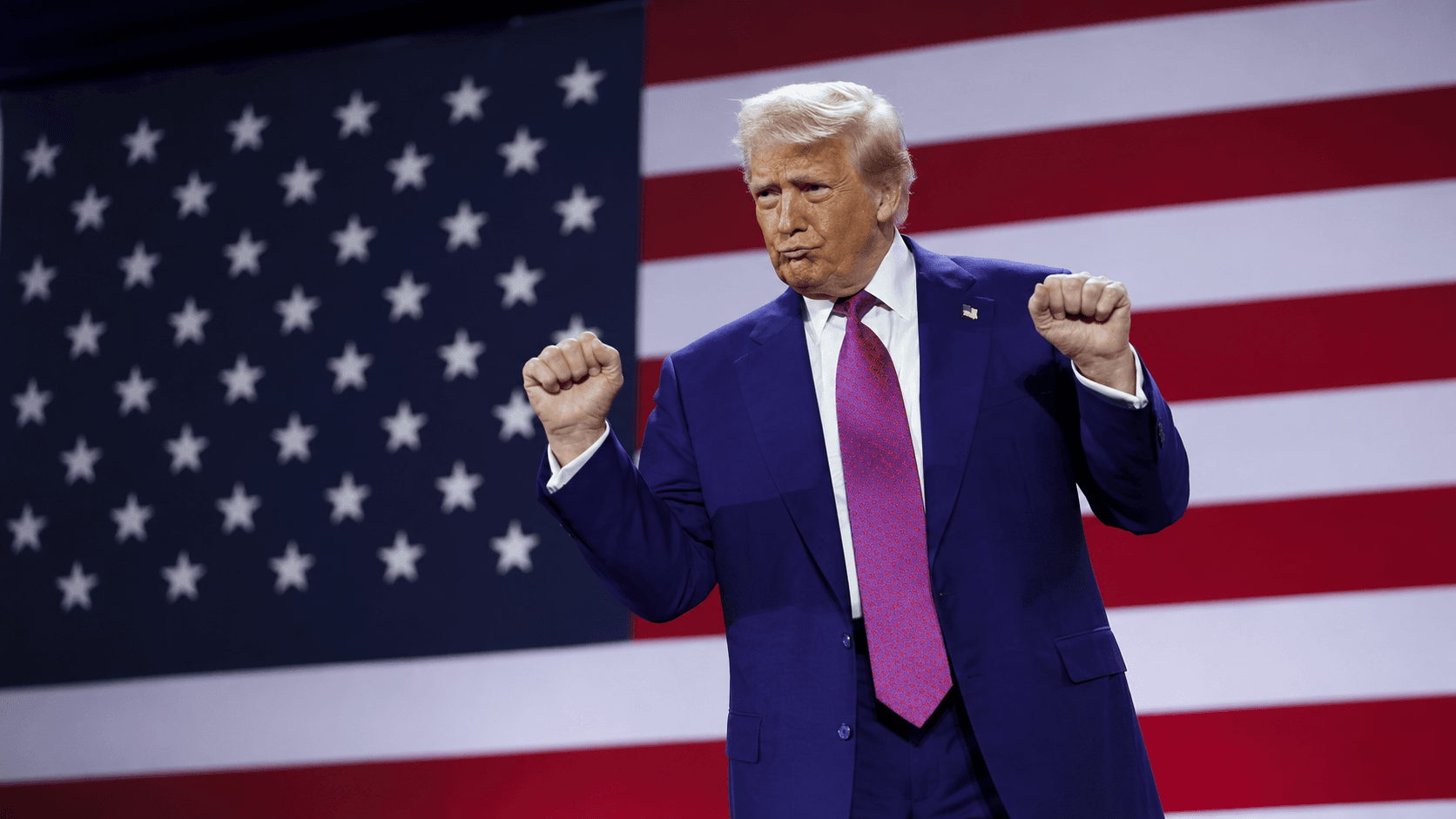
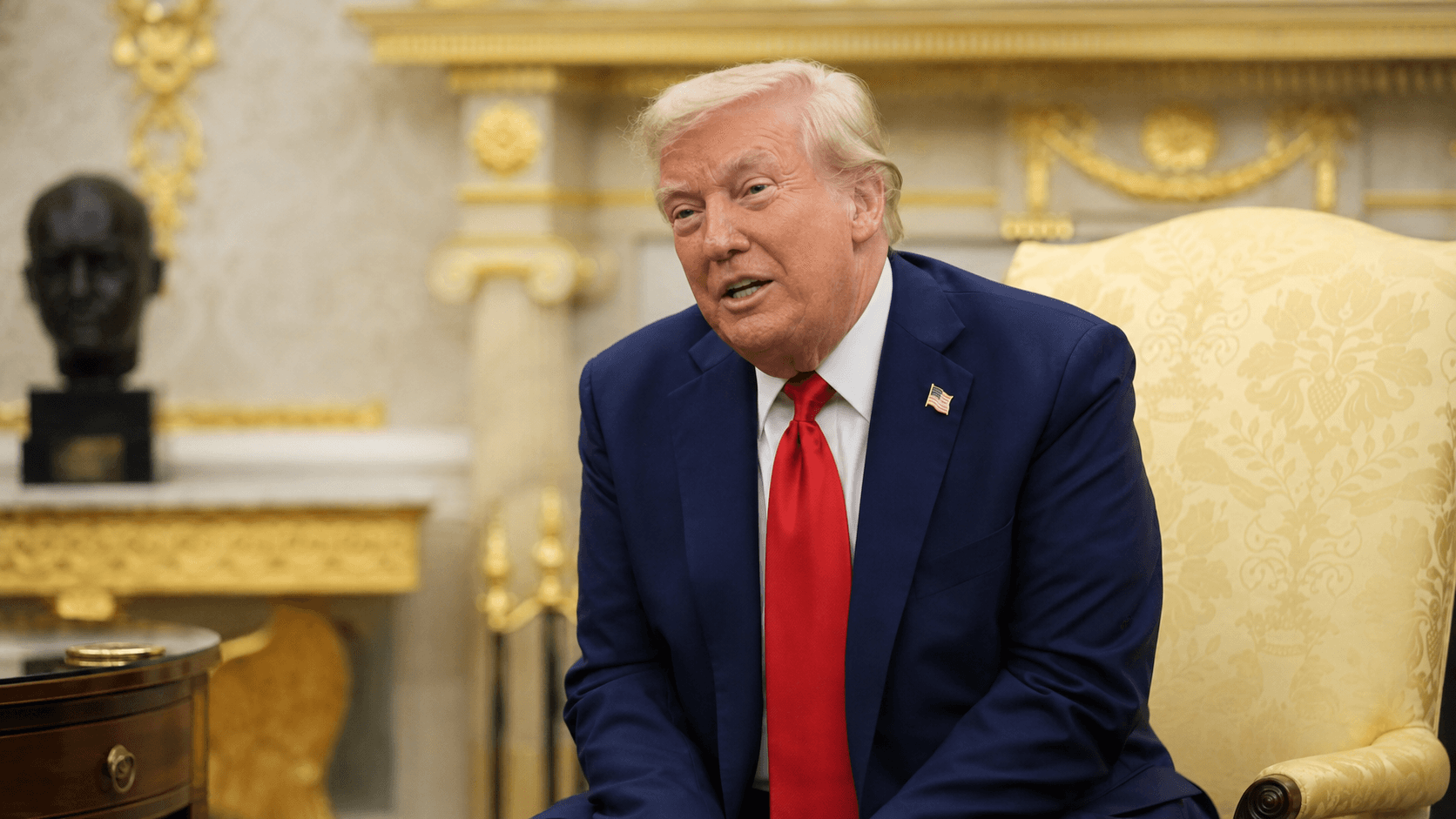
President Donald Trump rejected Iran's latest peace proposal on Friday, telling reporters at the White House he was "not satisfied" with the offer Tehran delivered through Pakistani mediators the night before. The three-week ceasefire that began April 7 is still holding, but a U.S. Navy blockade continues to choke off the Strait of Hormuz, through which one-fifth of the world's traded oil and gas passes in peacetime. Trump said Iran is "asking for things I can't agree to," without specifying which terms.
"They want to make a deal, I'm not satisfied with it, so we'll see what happen," Trump told reporters. He also told Axios this week he had already rejected an Iranian proposal to reopen the strait in exchange for the U.S. lifting its naval blockade of Iranian ports. That earlier proposal would have deferred talks on Iran's nuclear program to a later date, according to two regional officials briefed on the closed-door negotiations.
Iran's state-run IRNA news agency confirmed the latest proposal was handed to mediators in Pakistan on Thursday night. Trump called off his envoys' trip to Pakistan last week, and negotiations have since continued by phone. He described Iran's leadership as "a very disjointed leadership," adding, "They all want to make a deal, but they're all messed up."
Key facts
- 01Iran delivered its latest peace proposal to U.S. mediators in Pakistan on Thursday night; Trump rejected it Friday.
- 02The U.S.-Iran ceasefire that began April 7 is now in its third week, with both sides trading accusations of violations.
- 03A U.S. Navy blockade is choking off the Strait of Hormuz, which carries one-fifth of the world's traded oil and gas in peacetime.
- 04Since the war began February 28, at least 3,375 people have been killed in Iran and more than 2,600 in Lebanon.
- 05Imprisoned Nobel laureate Narges Mohammadi was transferred to a hospital after 140 days of what her foundation calls systematic medical neglect.
Iranian Foreign Minister Abbas Araghchi spent Friday on the phone with regional counterparts in Turkey, Egypt, Qatar, Saudi Arabia, Iraq and Azerbaijan, briefing them on Tehran's latest initiative, according to his social media. European Union foreign policy chief Kaja Kallas also spoke with Araghchi about reopening the Strait of Hormuz and long-term security arrangements, her office said. Pakistan Prime Minister Shehbaz Sharif told his Cabinet on Wednesday that a formal Iranian response was still awaited at that point.
“Since the war began on February 28, at least 3,375 people have been killed in Iran and more than 2,600 in Lebanon, with 24 dead in Israel and 13 U.S. service members killed across the region.”— Jaeden Schafer
The blockade is bleeding Iran's economy and squeezing global energy markets at the same time. Trump floated a new plan this week to reopen the strait, which America's Gulf allies rely on to export their own oil and gas. One of the stated reasons Trump went to war on February 28 was to deny Iran the ability to develop nuclear weapons, and that demand remains the central sticking point.
The war is still producing casualties even under the ceasefire. An explosion of leftover ordnance from wartime strikes killed 14 members of Iran's Revolutionary Guard near the northern city of Zanjan, IRNA and the security-linked Nournews site reported Friday. The munitions included cluster bombs and air mines dropped during the fighting, according to Nournews. It is the largest single Revolutionary Guard death toll reported since the April 7 ceasefire took effect.
The cumulative toll is severe. At least 3,375 people have been killed in Iran since February 28, and more than 2,600 in Lebanon, where Israel and the Iran-backed Hezbollah resumed fighting two days after the war began. Another 24 people have died in Israel, more than 20 in Gulf Arab states, 17 Israeli soldiers in Lebanon and 13 U.S. service members across the region.
Inside Iran, the human rights picture is also deteriorating. Imprisoned Nobel Peace Prize laureate Narges Mohammadi was urgently transferred from prison to a hospital in northwestern Iran on Friday after what her foundation called a "catastrophic deterioration" of her health. The Narges Mohammadi Foundation said she suffered two episodes of complete loss of consciousness and a severe cardiac crisis, following a suspected heart attack in late March. The transfer came after 140 days of what the foundation described as systematic medical neglect since her December 12 arrest.
The diplomatic channel is not closed, but it is narrow. Iran is still talking, Pakistan is still mediating, and the EU is still pressing on the strait. Trump's public posture, though, suggests he sees little urgency to soften terms while the blockade is doing the economic work for him and while he is also weighing further military action.
The unresolved question is whether Iran's leadership can converge on a single offer Trump will accept before the ceasefire frays. Trump's read on Tehran as "disjointed" matches what regional officials have described privately, and a fragmented government is a poor negotiating partner under a blockade. If the talks collapse, the strait stays closed, oil markets stay tight, and the casualty count from leftover munitions like the Zanjan blast keeps climbing on its own.

Working on something we should cover, or seeing a story we missed? Send leads, documents, or feedback to hello@aichatdaily.com. For sensitive tips, see our secure tips page for Signal and PGP options.
Spotted an error? Email hello@aichatdaily.com with the URL and the issue, or read our full corrections policy.