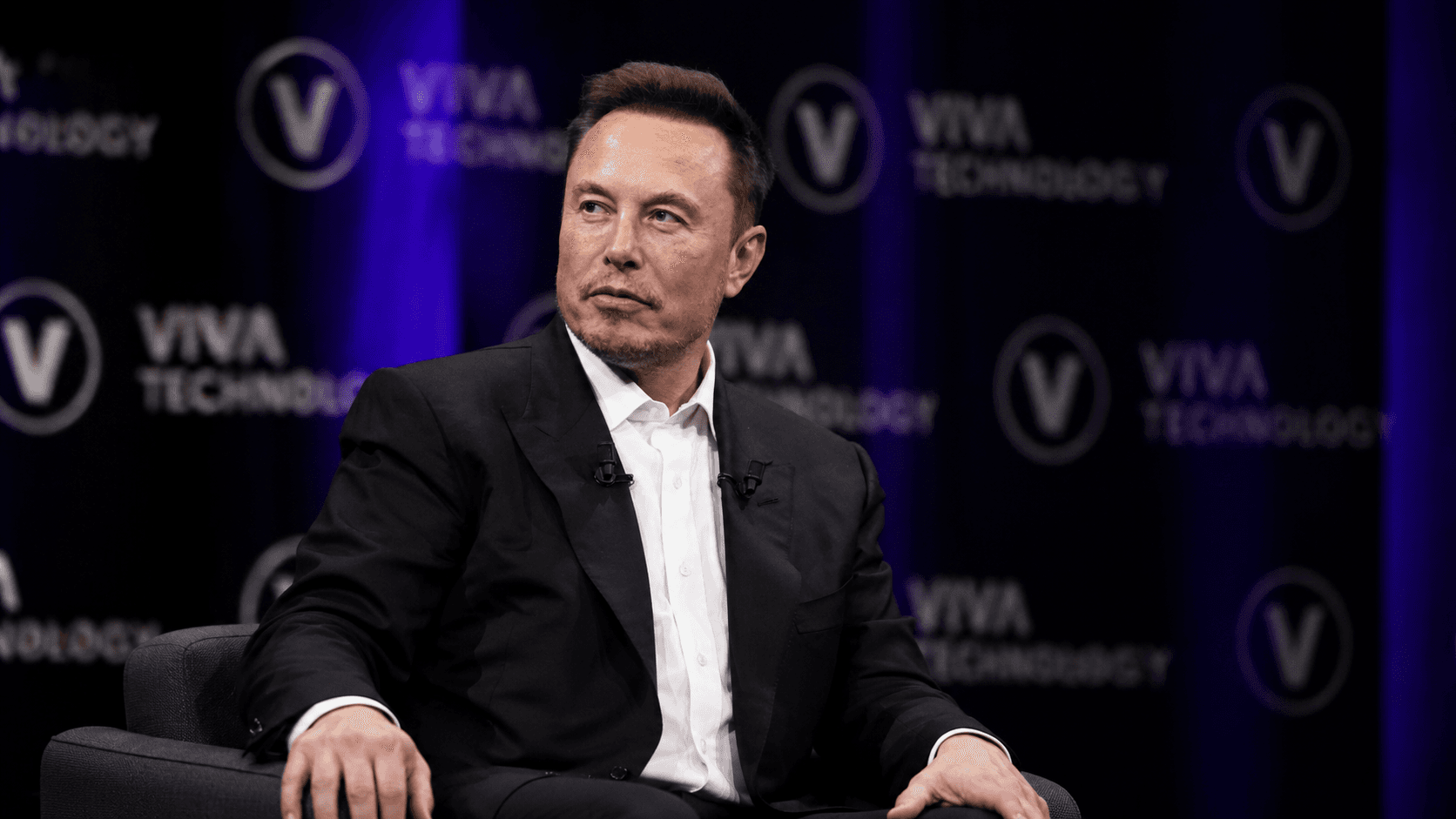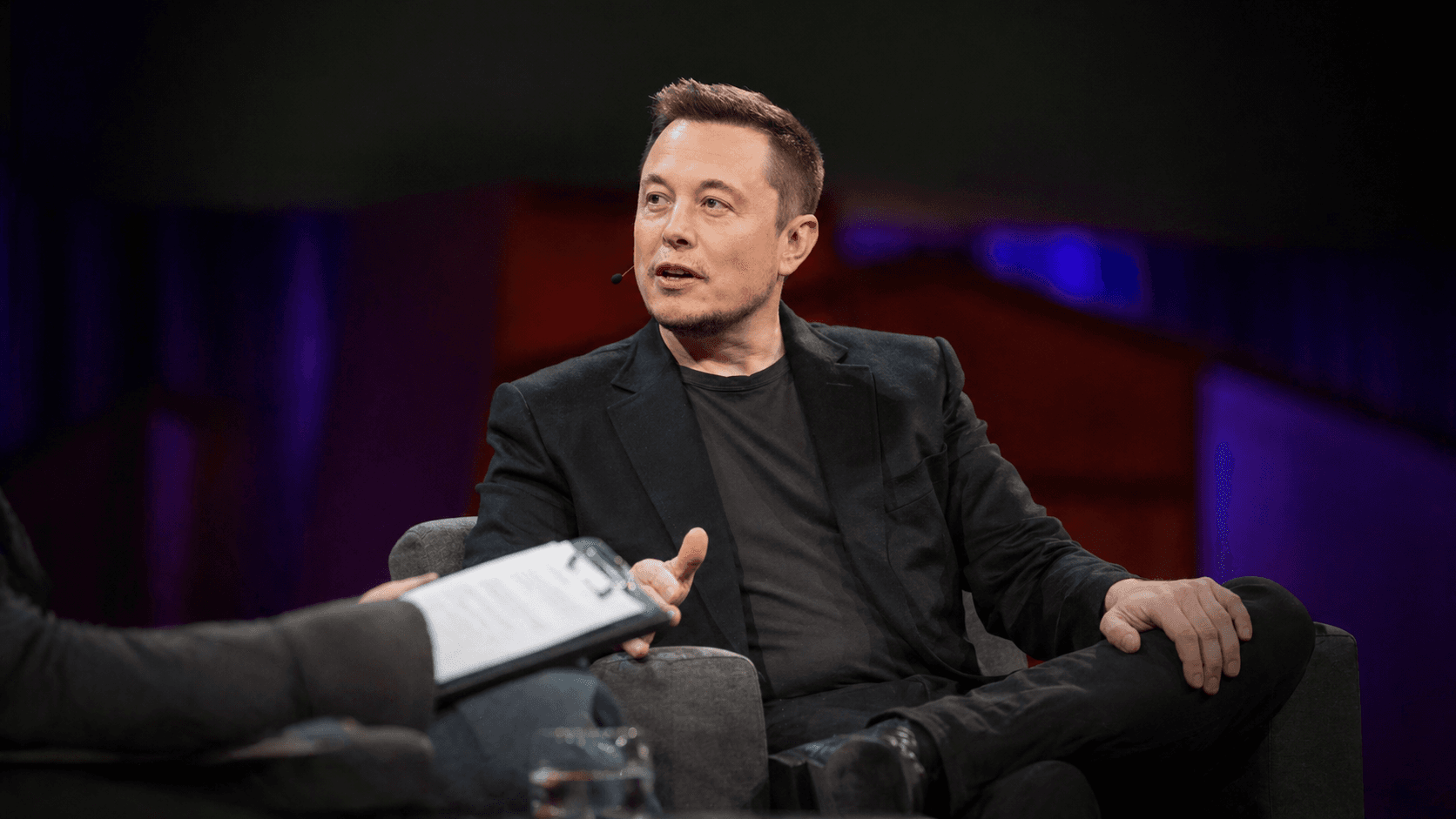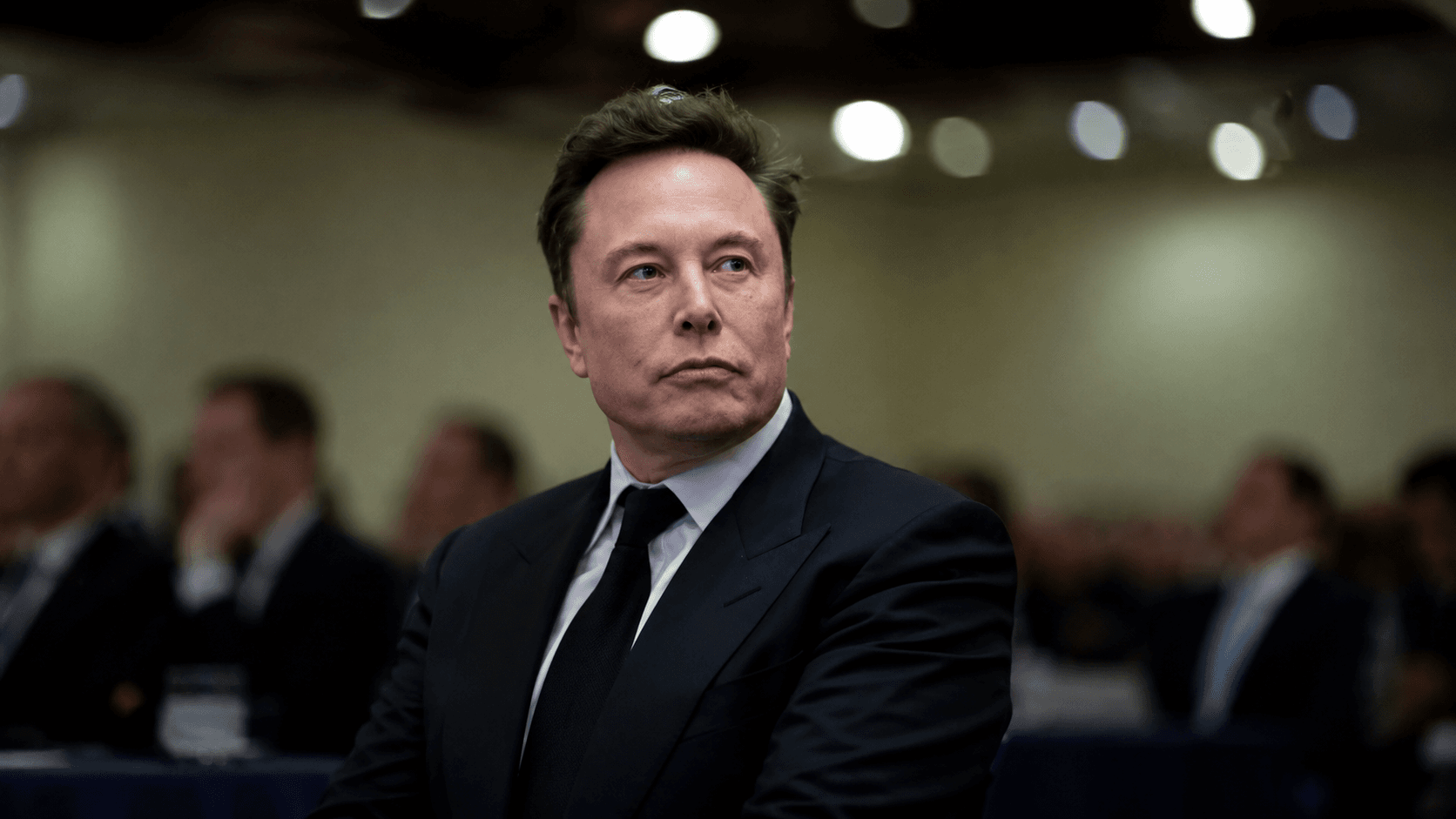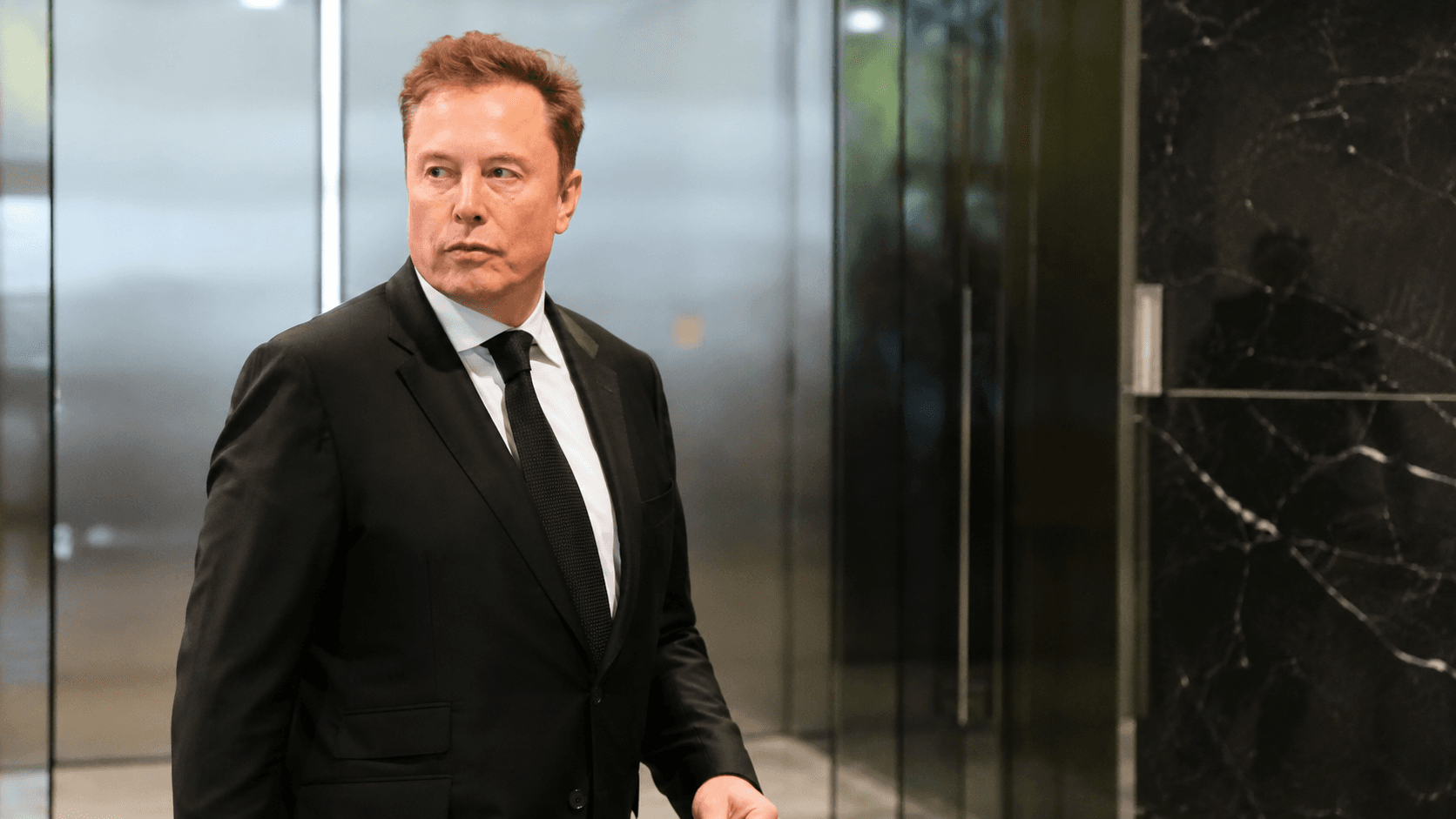
Elon Musk lost his lawsuit against OpenAI on May 18 when a jury in US District Court in Oakland unanimously ruled he had sued too late — the statute of limitations on his claims expired before he filed in 2024. Judge Yvonne Gonzalez Rogers immediately accepted the advisory verdict. Musk announced on X he will appeal, calling the outcome a calendar technicality rather than a ruling on the merits.
Musk had brought two claims against OpenAI CEO Sam Altman and president Greg Brockman. First, that they breached a charitable trust by converting the company from the nonprofit Musk helped found in 2015 into a for-profit entity. Second, that Altman and Brockman unjustly enriched themselves at his expense. Musk donated $38 million to OpenAI during its early days and sought to unwind a 2025 restructuring that converted the for-profit subsidiary into a public benefit corporation.
The statute of limitations on breach of charitable trust is three years, meaning Musk should have discovered the alleged breach no earlier than 2021 to file in 2024. OpenAI argued that Musk had reason to sue well before that date, citing his participation in 2017 discussions about creating a for-profit subsidiary and his public 2020 criticism when Microsoft secured an exclusive license to GPT-3.
Key facts
- 01A jury ruled Musk should have discovered OpenAI's alleged breach by 2021, three years before his 2024 lawsuit — the statute of limitations expired.
- 02Musk donated $38 million to OpenAI during its early days and argued Altman and Brockman broke promises to keep the company nonprofit.
- 03The case lasted three weeks of trial testimony in US District Court in Oakland, California, before the jury reached its verdict.
- 04Musk announced he will appeal the decision to the Ninth Circuit Court of Appeals.
Musk testified he went through three phases of belief about OpenAI. Phase one was enthusiastic support. Phase two began when he started losing confidence they were telling him the truth. Phase three, he said, was certainty they were looting the nonprofit. He told the jury he did not oppose a small for-profit funding the nonprofit in 2019 when OpenAI created its capped-profit structure and secured a $1 billion investment from Microsoft.
The turning point, Musk testified, came in 2022 when Microsoft prepared to invest $10 billion in OpenAI — a deal that closed in 2023. Musk texted Altman that he was disturbed to see OpenAI valued at $20 billion, calling it a bait and switch. He argued this was when he realized the for-profit had become the tail wagging the dog, and that Microsoft would invest $10 billion only if expecting a very big financial return.
The jury sided with OpenAI, finding that Musk had reason to believe he was being misled by Altman and Brockman before 2021. The verdict did not address whether Musk was in fact misled — courts often resolve cases on procedural grounds like statutes of limitations rather than grappling with the merits when they can.
Musk's lawyer Marc Toberoff argued during closing arguments that the 2023 deal was different from prior moves. The jury did not find the distinction persuasive after three weeks of testimony that included Musk's acknowledgment of his own proposals in 2017 to merge OpenAI with Tesla and create a for-profit subsidiary he would control.
OpenAI's defense hammered on the timeline. When Microsoft secured its exclusive GPT-3 license in 2020, Musk posted on X that OpenAI seemed like the opposite of open and was essentially captured by Microsoft. Musk testified that Altman reassured him after that post that OpenAI was staying on mission as a nonprofit, and he remained skeptical but had no reason to sue at that point.
The case follows our prior coverage of the trial, where Musk testified that he believed Altman and Brockman had duped him and that xAI distills OpenAI's models. The three-week trial in Oakland included testimony from both Musk and Altman, with OpenAI's lawyers pressing Musk on his motivations for suing and his own involvement in for-profit discussions as early as 2017.
Musk will now appeal to the Ninth Circuit Court of Appeals, which reviews decisions from district courts in California. The appellate court will consider whether the jury correctly found that Musk had reason to discover the alleged breach before 2021, though appeals courts typically defer to jury findings on questions of fact.
OpenAI has fought off multiple legal challenges this year. The company is also facing a separate $1.5 billion settlement under review by a US judge over book training data, and it recently acquired the SDK startup Stainless for over $300 million, pulling its tool from competitors including Google.
The statute-of-limitations defense is a procedural win for OpenAI, but it leaves open the question the jury never answered: whether Altman and Brockman actually broke promises to Musk about keeping the company nonprofit. Musk's appeal will test whether the timeline evidence OpenAI presented — the 2017 for-profit discussions, the 2019 capped-profit structure, the 2020 Microsoft license — was enough to start the clock on Musk's knowledge three years before he sued.

Working on something we should cover, or seeing a story we missed? Send leads, documents, or feedback to hello@aichatdaily.com. For sensitive tips, see our secure tips page for Signal and PGP options.
Spotted an error? Email hello@aichatdaily.com with the URL and the issue, or read our full corrections policy.