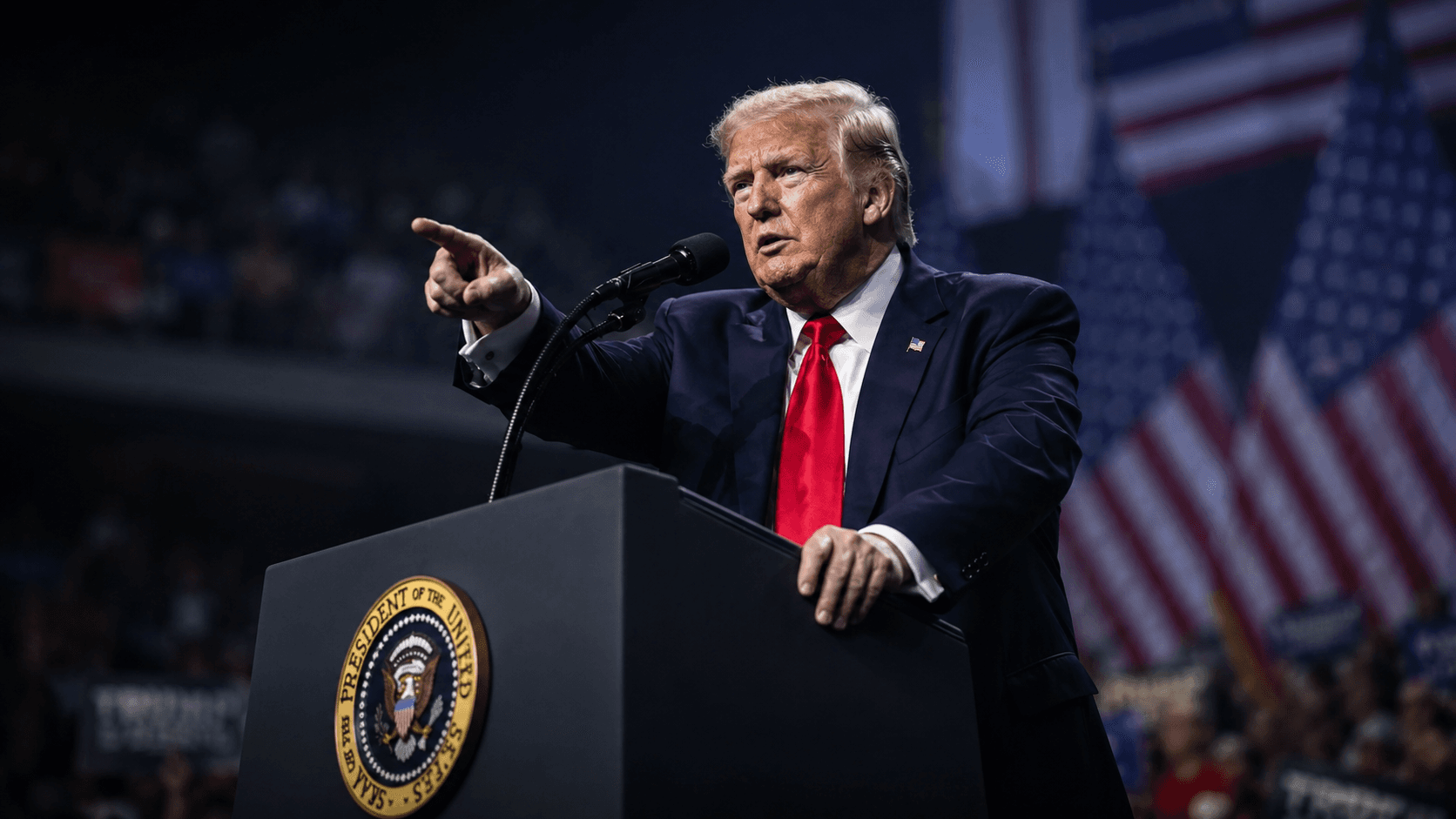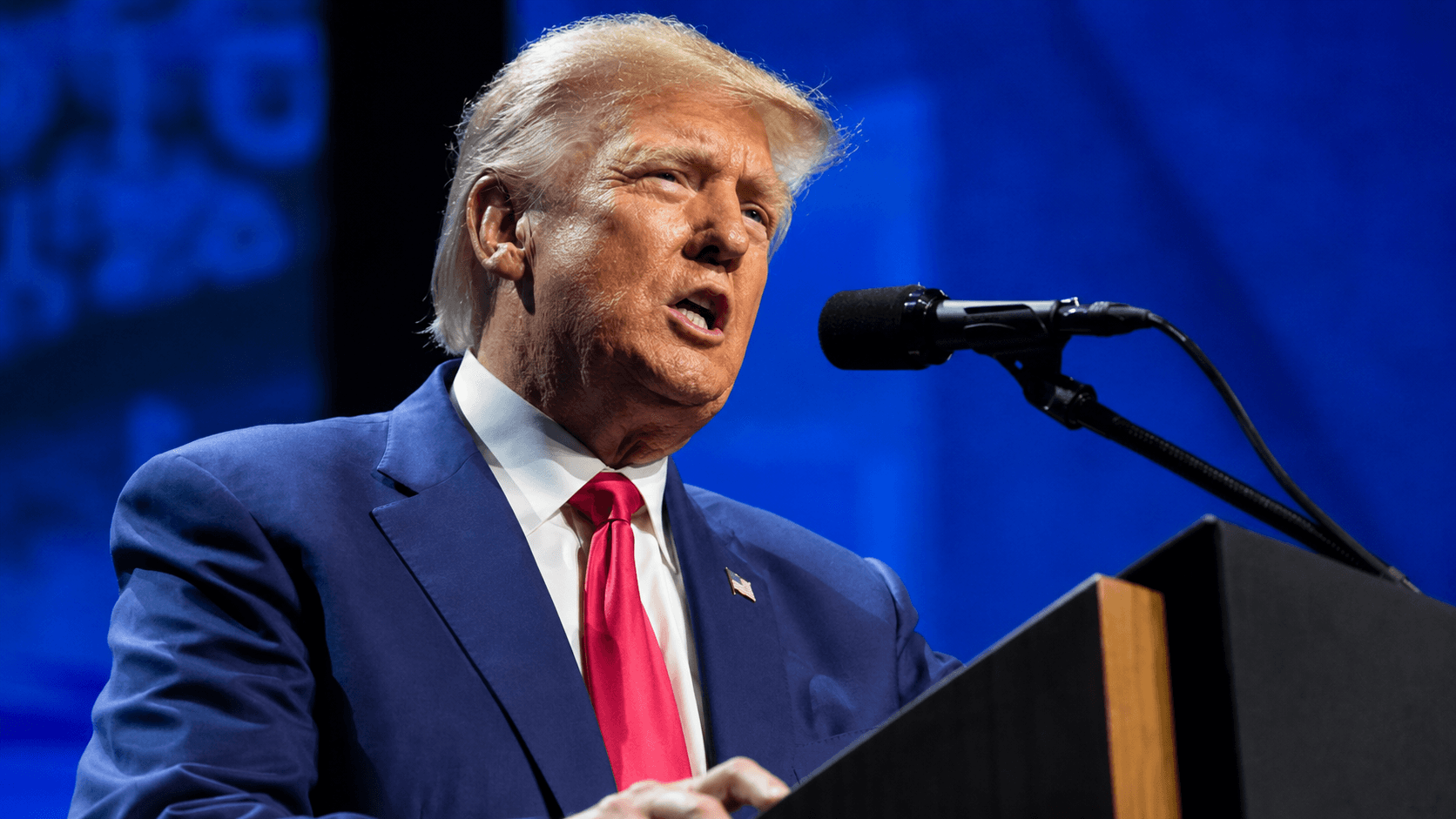
President Donald Trump told leaders at the APEC plenary session in Shenzhen, China, on Thursday that the United States opposes regulation that would stifle artificial intelligence. Trump referred to the technology as superintelligence, or "SI," and said Washington would not allow rules designed to control it.
Trump paired that position with an acknowledgment of risk. He described AI as almost entirely positive but said it carries bad elements that need careful handling. His remarks were relayed through White House press pool reports, and the excerpts did not identify a new executive action, legislative proposal or specific rule.
“It's almost completely good, but it's got some bad elements, and we have to be very careful in managing those bad elements”— Donald Trump, President of the United States
The wording varied across transcripts. Russian state news agency TASS reported that Trump objected to "globalist" regulation rather than "robust" regulation, and quoted him saying the US does not want to destroy "the tremendous potential of this technology." TASS framed the remarks as US opposition to global AI regulations.
Key facts
- 01Trump addressed the APEC leaders' plenary session in Shenzhen, China, on Thursday, November 19, 2026.
- 02He said the US opposes 'any form of robust regulation' that would control or stifle AI, which he called superintelligence.
- 03Trump said AI is 'almost completely good' but has bad elements that must be managed carefully.
- 04Xi Jinping said China will provide $20 million to support APEC cooperation, including on digital technology and data flows.
- 05A Commerce Department rule announced November 16 gives data center operators 90 days to obtain licenses for advanced US AI chips.
APEC operates through voluntary commitments and consensus, so statements by individual leaders at the plenary do not by themselves create an agreement. An IMF managing director's economic overview at the same session also touched on AI's impact.
“So we oppose any form of robust regulation or anything to control and stifle SI, and we won't allow that to happen, frankly”— Donald Trump, President of the United States
Chinese President Xi Jinping put AI at the center of his own economic message at the same summit. Xi urged improvements to cross-border data flows and wider adoption of AI, and said China would provide $20 million to support APEC cooperation and to establish institutions covering digital technology, cross-border data flows, clean energy and small-business development.
"The digital economy and artificial intelligence (AI) are the engines of innovation-driven growth," Xi said. Trump was scheduled to meet Xi on the sidelines of the summit later Thursday, and had played down the Nvidia espionage scandal as a topic for that meeting.
Trump's hands-off message on AI rules comes as his administration tightens control over access to advanced AI hardware. A Commerce Department rule announced November 16 requires data center operators in Singapore, Malaysia, Thailand, Indonesia and Brazil to obtain a US government license for advanced AI chips from Nvidia and other American makers, with 90 days to secure those licenses.
The rule followed a scandal involving former Nvidia CEO Jensen Huang, who admitted an affair with a woman under US investigation for possibly working with a Chinese spy agency and possibly helping smuggle chips. Trump has defended Huang. Nvidia declined to comment on the export rule.
John Moolenaar, the Republican chair of the House Select Committee on China, backed the licensing requirement. "America is serious about closing dangerous export control loopholes China has been exploiting for years," Moolenaar said.

Working on something we should cover, or seeing a story we missed? Send leads, documents, or feedback to hello@aichatdaily.com. For sensitive tips, see our secure tips page for Signal and PGP options.
Spotted an error? Email hello@aichatdaily.com with the URL and the issue, or read our full corrections policy.