The public case against AI has hardened into numbers the industry can no longer wave away. A May 2026 Gallup survey found 71% of Americans somewhat or strongly opposed to a data center being built in their area — a higher share than the 53% who oppose a local nuclear plant. Data Center Watch counted 75 US data center projects worth $130 billion delayed or blocked in the first quarter of 2026, with the number of organized opposition groups doubling to 833 across 49 states. Three and a half years after ChatGPT launched, the backlash is now measurable in canceled megawatts and stalled permits.
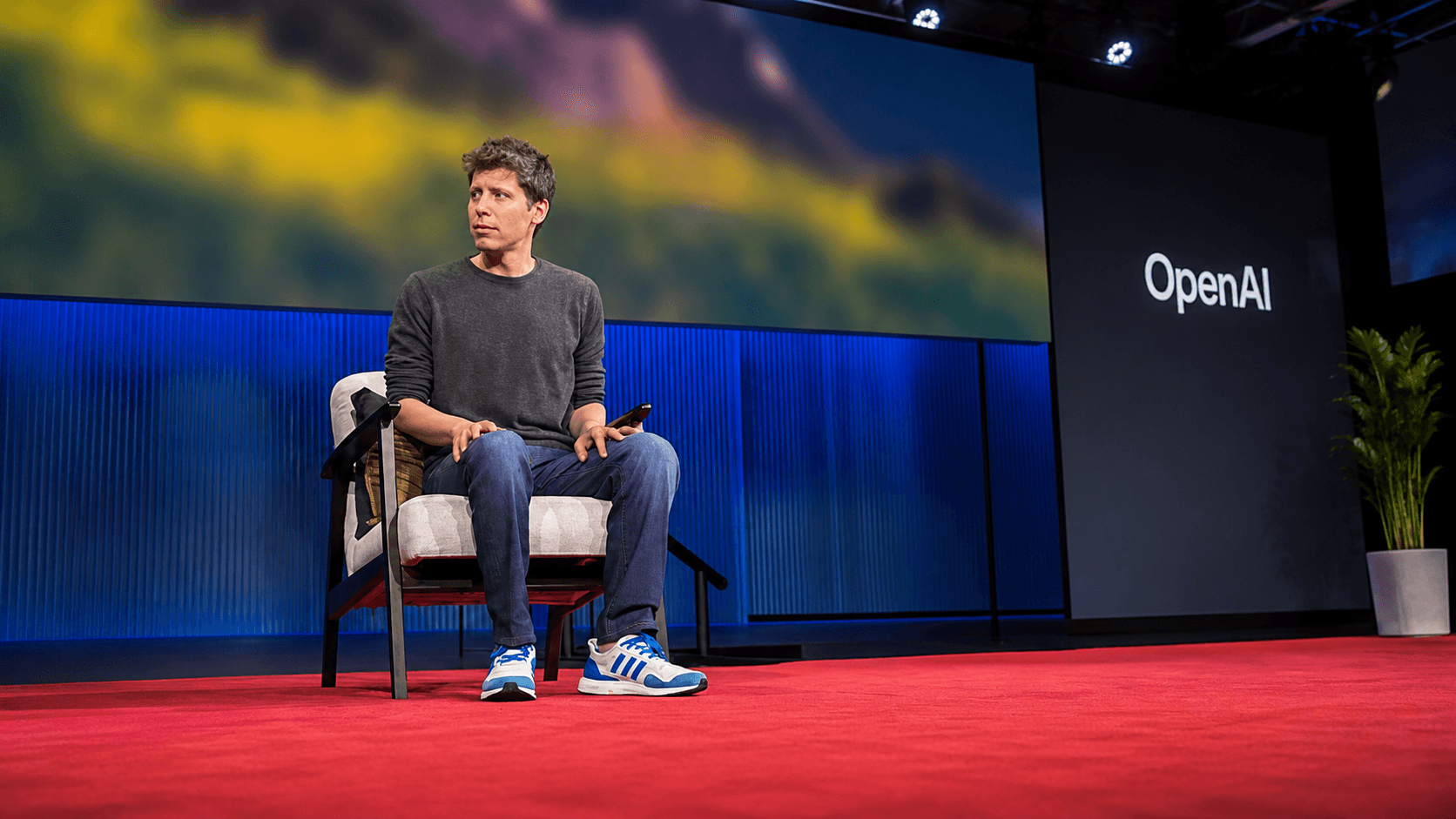
The response from AI leadership has been to reach for governance frames. On Wednesday, OpenAI CEO Sam Altman published a Financial Times op-ed reviving his call for an international body modeled on the IAEA to govern AI safety, arguing it would prevent power from concentrating and would democratize benefits. The Economist ran a cover this week showing a robot with a spear through its head under the line: "The AI backlash is only getting started."
“International co-operation like this seems a reasonable way to avoid power becoming too concentrated, and ensure that the benefits of AI are democratized.”— Sam Altman, OpenAI CEO
The complaints have moved past early misinformation about water use into harder ground. Local ratepayers are absorbing electricity bill hikes to power new facilities. Tax abatements reduce funding for schools and roads. Greenhouse-gas emissions from AI load are climbing. And residents near facilities have reported infrasonic vibrations linked to chronic sleep deprivation, headaches, and anxiety. American NIMBYism is a durable political force, and it now has a concrete target.
Key facts
- 0171% of Americans oppose a data center in their area, higher than the 53% who oppose a local nuclear plant, per a May 2026 Gallup survey.
- 02Data Center Watch counted 75 US data center projects worth $130B delayed or blocked in Q1 2026, with organized opposition groups doubling to 833 in 49 states.
- 03Stanford payroll data across 4.6M workers found employment shrinking 3.8% a year for workers aged 22–25 in AI-exposed jobs.
- 04Apple raised MacBook and iPad prices up to 25% and Microsoft raised Xbox prices $100–$150 as AI infrastructure consumes memory and storage chip supply.
- 05Big AI labs announced a $500M workforce retraining effort last week, testing wage insurance and other resilience strategies.
The economic anxiety underneath the siting fights is broader. There is no AI jobs crisis in the aggregate yet — hiring beat expectations in May and unemployment has held at 4.3% for three months — but the warning signs are accumulating. AI is now the leading cited reason for tech-sector layoffs, though "AI washing" by executives hoping to please the stock market inflates that share. The Federal Reserve Bank of New York has attributed much of the recent rise in unemployment among young college graduates to remote work rather than AI directly.
The clearest signal comes from a Stanford team led by Erik Brynjolfsson, which last week released payroll data spanning 4.6 million workers across 730 occupations. Employment for workers aged 22 to 25 in jobs considered highly exposed to AI is shrinking by 3.8% a year. Across the full sample, AI-exposed jobs contracted 0.2% year-over-year while the least-exposed jobs grew 0.1%. The overall effect is small; the junior-worker effect is not. Per the Stanford AI Index, 66% of Americans believe AI will mean fewer jobs over the next 20 years, and just 5% believe it will mean more.
The demand driving those anxieties is now colliding with consumer prices. AI infrastructure buildouts are absorbing the majority of computer memory and storage-chip supply, and manufacturers expect prices to keep rising into next year. Apple has raised MacBook and iPad prices by as much as 25%, with iPhone increases expected to follow. Last week Microsoft raised Xbox console prices by $100 to $150, and a few days later Valve debuted its cheapest Steam Machine at $1,049 — into a market where gaming consoles have typically sold for $400 to $500.
Analysts expect the memory supply crunch to last through 2027, meaning at least eighteen more months of AI-driven inflation on top of the 15% average increase already logged in computer software and accessories. With US wages roughly flat, the pass-through hurts. It also gives the backlash a constituency far larger than the residents living near a substation.
The industry is not sitting still. AI companies are offering to cover local electricity rate hikes, funding grid upgrades, and building retraining programs. A new $500 million effort funded by the largest labs was announced last week, testing wage insurance and other resilience strategies. Altman's op-ed sketches the payoff to justify near-term disruption:
“the power to heal people, to discover cures and to deliver abundance on a scale the world has never known before.”— Sam Altman, OpenAI CEO
The counterweight is real but partial. Retraining programs at $500 million spread across the labor market are small relative to the sectors most exposed. International governance of the kind Altman proposes takes years and requires cooperation the current geopolitical moment does not obviously supply. And the argument that AI's benefits will eventually outweigh its costs is one the industry has been making for three and a half years while the polling has moved the other way.
The commercial risk is that AI's political economy is deteriorating faster than its product economy is improving. Frontier labs are booking record revenue, but their ability to build the infrastructure that revenue depends on now runs through 833 organized opposition groups, state legislatures, and utility commissions that answer to voters who already believe AI will cost them their jobs and are watching it raise the price of their laptop. Regulatory chaos of the kind Anthropic just navigated with the Commerce Department's ban on Claude Fable 5 — imposed, then lifted within weeks — is going to be a recurring feature, not a one-off. The labs that price in the political cost early, and pay more of the local externality bill in cash rather than press releases, will build faster than the ones still assuming the public wonder of late 2022 is coming back.

Working on something we should cover, or seeing a story we missed? Send leads, documents, or feedback to hello@aichatdaily.com. For sensitive tips, see our secure tips page for Signal and PGP options.
Spotted an error? Email hello@aichatdaily.com with the URL and the issue, or read our full corrections policy.