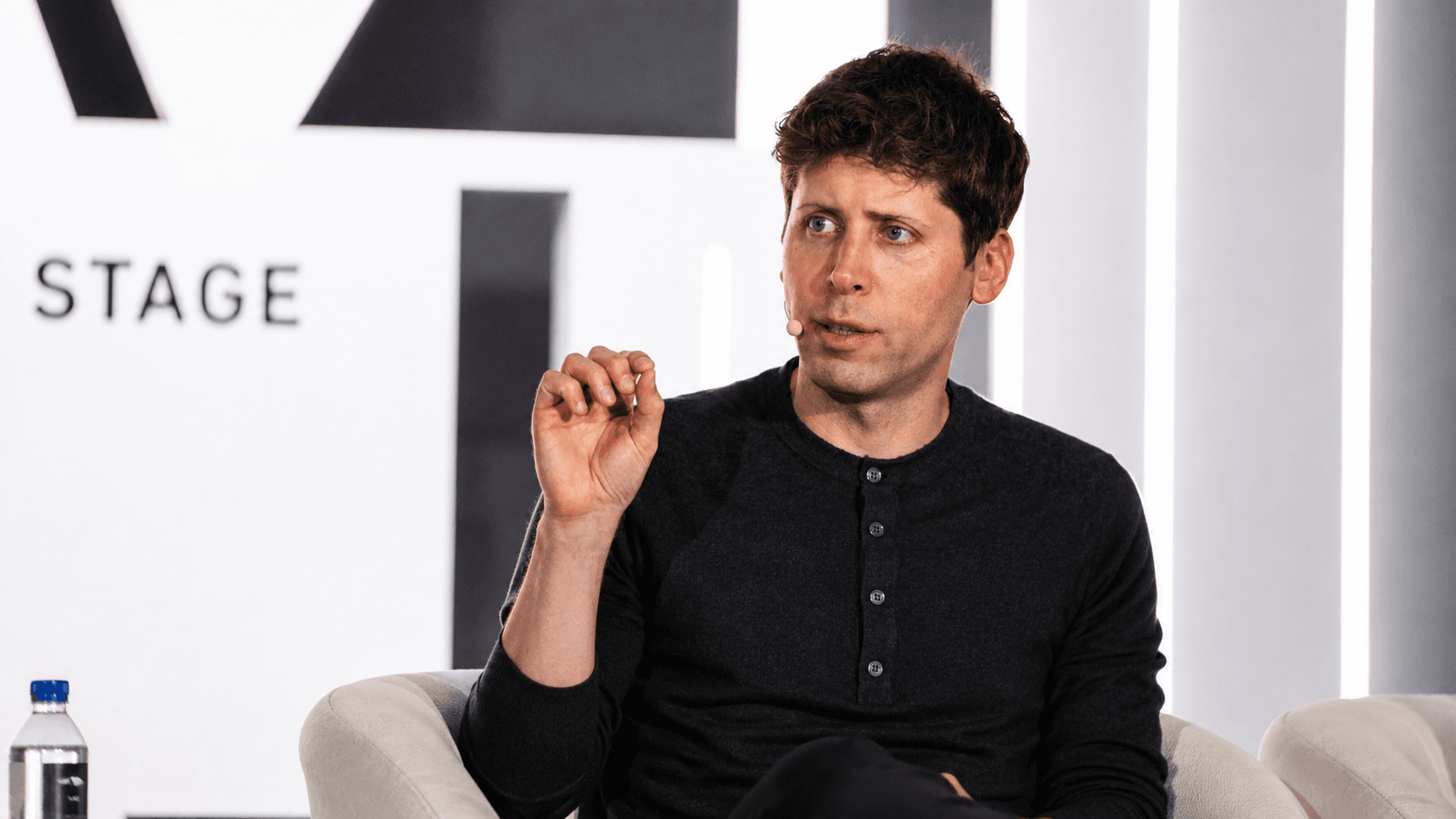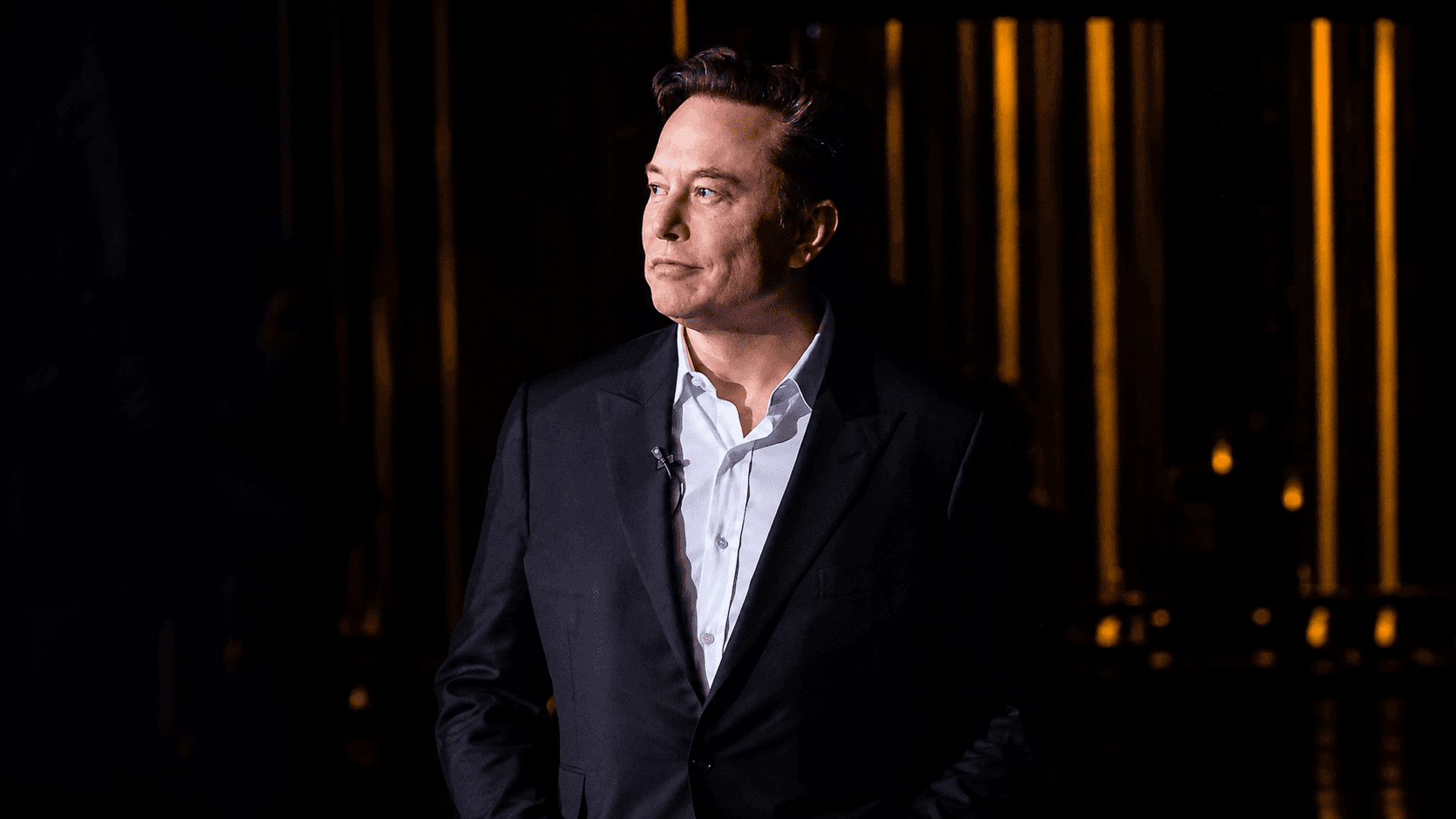
The chief executives of OpenAI, Anthropic, Google DeepMind, Microsoft, and X spent the past week publicly agreeing that AI development should slow down before it slips out of human control. Sam Altman, Dario Amodei, Demis Hassabis, Satya Nadella, and Elon Musk each endorsed some version of the argument. It is at least the fourth wave of such warnings from AI leadership since 2017, and the pattern is by now well established: executives call for regulation, then keep shipping.
The genre predates the current lab founders by decades. Alan Turing warned in a 1951 lecture that machine intelligence would eventually 'take control.' Sun Microsystems co-founder Bill Joy argued in 2000 that self-replicating robots could prove more dangerous than nuclear weapons, in part because they were being built inside global capitalism rather than in controlled government labs. Microsoft researcher Eric Horvitz convened leading AI researchers in 2009 to discuss constraining autonomous systems. None of it moved US law.
Musk began the modern cycle. He had already put $38 million into OpenAI and warned publicly about AI dangers for three years — calling it 'potentially more dangerous than nukes' in August 2014 and comparing AI work to 'summoning the demon' that October — when he addressed the National Governors Association in July 2017.
“AI is a rare case where we need to be proactive about regulation instead of reactive. Because I think by the time we are reactive in AI regulation, it's too late.”— Elon Musk, CEO of Tesla and SpaceX
Key facts
- 01Elon Musk had already invested $38 million in OpenAI when he told US governors in July 2017 that AI needed proactive regulation.
- 02In May 2023, a 22-word statement signed by Sam Altman and Demis Hassabis put AI extinction risk alongside pandemics and nuclear war.
- 03Musk signed the March 2023 Future of Life pause letter, then announced his own AI company two weeks later.
- 04Mark Zuckerberg first flagged AI regulation in March 2018, forecasting sharper content-moderation AI within five to 10 years.
- 05Sundar Pichai wrote in January 2020 that market forces alone should not decide how AI gets used.
In March 2018 he pushed harder, asking why an industry he described as 'far more dangerous than nukes' faced no regulatory oversight. He did not stop building. Musk signed the Future of Life Institute's March 2023 open letter calling for a pause on giant AI experiments, then announced his own AI company two weeks later.
Mark Zuckerberg entered the conversation in March 2018, in the aftermath of the Cambridge Analytica data scandal. He told interviewers he was 'actually not sure we shouldn't be regulated,' provided it was the 'right' regulation, and pointed to a five- to 10-year horizon in which AI tools would be able to flag offensive content proactively. In September 2023, in a closed Senate meeting, he said Congress should engage with AI 'to support innovation and safeguards' — a formula that put innovation first.
Microsoft president Brad Smith opened the door to voluntary rules at a December 2018 Brookings Institution speech centered on facial recognition, arguing governments needed to build 'a floor of responsibility' to prevent a race to the bottom. Smith returned in May 2023 with a five-point regulatory blueprint that would require operators of high-risk AI systems to build in 'safety brakes' by design and submit to regular government-supervised testing. Altman appeared before the US Senate on May 16, 2023, and endorsed a new federal AI agency.
Nine days later, Anthropic CEO Dario Amodei warned senators that AI could help create bioweapons. On May 30, 2023, a 22-word statement signed by Altman, Hassabis, and other lab leaders declared that 'mitigating the risk of extinction from AI should be a global priority alongside other societal-scale risks such as pandemics and nuclear war.' The statement did not name a specific policy ask.
Alphabet CEO Sundar Pichai wrote in a January 2020 Financial Times editorial that AI regulation was not optional. He argued that 'companies such as ours cannot just build promising new technology and let market forces decide how it will be used.' Those comments, like Smith's, arrived when facial recognition was the specific pressure point.
The through-line across nearly a decade is a mismatch between rhetoric and outcome. Executives have testified, signed letters, and published essays; the United States still has no comprehensive federal AI law. The EU AI Act is the closest thing to a binding regime, and it was largely drafted without waiting for the industry's own proposals. Every US regulatory push that gained traction — export controls on chips, state-level bills on deepfakes, sector-specific FTC actions — moved faster than any framework the labs endorsed.
The current round of warnings from Altman, Amodei, Hassabis, Nadella, and Musk arrives against that history. The specific asks remain vague: slow down, coordinate, avoid a race. The commercial context has not changed — each of the signatories runs a company whose valuation depends on continued frontier development, and each has a competitor who would gain from a unilateral pause.
The pattern that emerges from a decade of AI CEO statements is that calls for regulation function best as positioning. They signal seriousness to policymakers, differentiate cautious labs from reckless ones, and shape the vocabulary any eventual law will use — 'safety brakes,' 'high-risk systems,' 'floor of responsibility' — without committing the caller to a specific rulebook. For the AI market, the practical takeaway is that binding constraints, when they come, are far more likely to emerge from the EU, from copyright litigation, or from a single high-profile incident than from the labs themselves. Investors and enterprise buyers pricing regulatory risk into AI contracts should weight the record of the past decade over the statements of the past week.

Working on something we should cover, or seeing a story we missed? Send leads, documents, or feedback to hello@aichatdaily.com. For sensitive tips, see our secure tips page for Signal and PGP options.
Spotted an error? Email hello@aichatdaily.com with the URL and the issue, or read our full corrections policy.