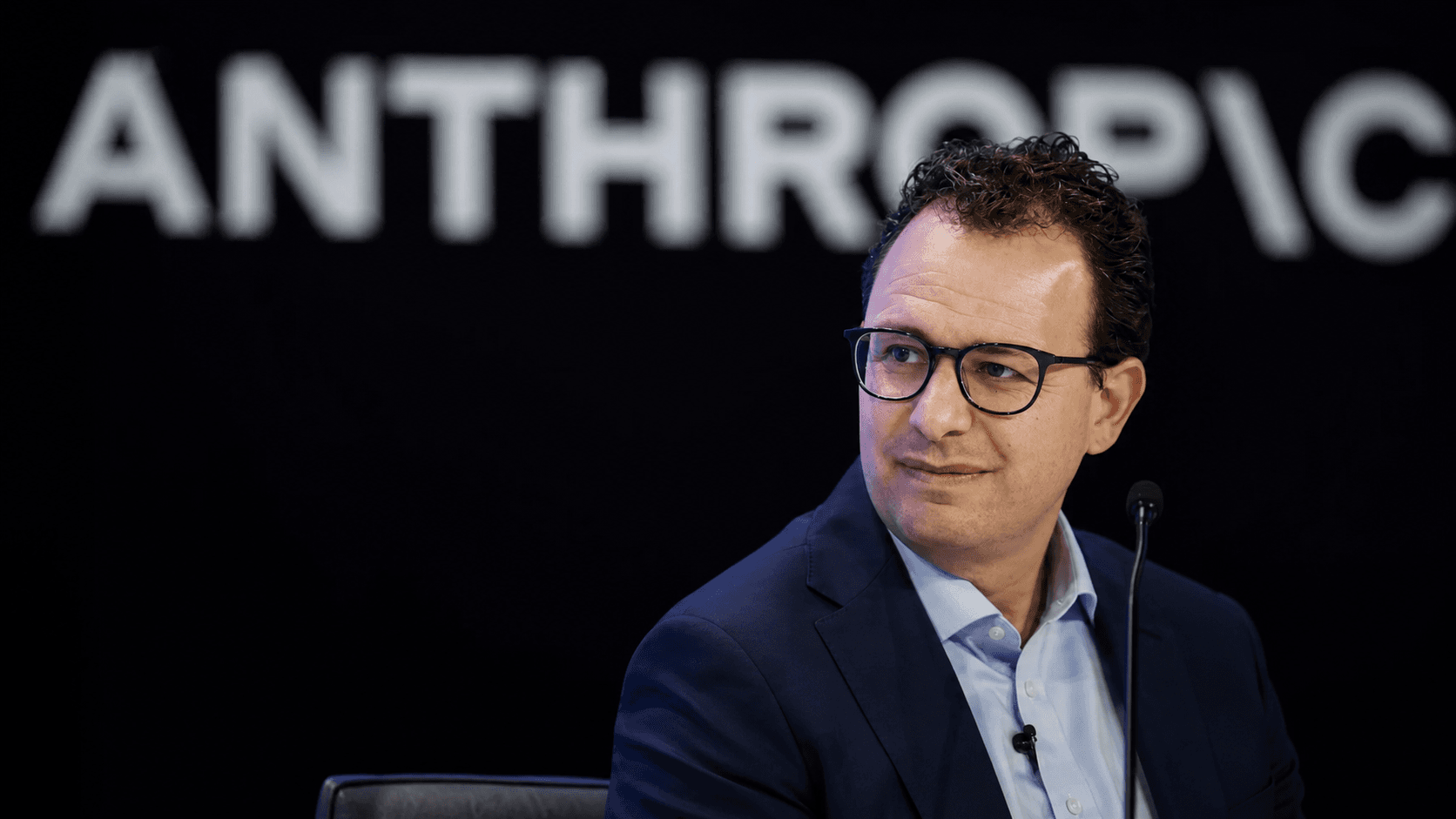
Anthropic CEO Dario Amodei is publicly urging rival AI companies to slow the pace of frontier model development, citing concerns that misuse risks are outrunning the industry's ability to contain them. The call, reported by Reuters, targets the exact competitive dynamic Anthropic itself is part of — a race between a handful of labs shipping ever more capable systems on a cadence measured in months.
The framing matters. Amodei is not arguing that models are hitting a capability wall or that scaling laws are broken. He is arguing that the labs building these systems, including his own, are releasing them faster than anyone — regulators, deployers, or the labs themselves — can red-team them for downstream abuse.
Anthropic has spent much of the past year documenting what that abuse actually looks like. The company has published case files on state-linked hacking campaigns using Claude, coordinated influence operations run out of Russia and China, and attempts to extract bioweapon-adjacent research. In each disclosure, Anthropic's own systems were the vector, and Anthropic's own detection was the backstop.
Key facts
- 01Anthropic CEO Dario Amodei is publicly calling on frontier AI labs to slow the pace of model development.
- 02Amodei framed the request around misuse risk, not capability plateaus or commercial pressure.
- 03The call extends a pattern from Anthropic, which has repeatedly pushed the industry toward coordinated safety commitments.
- 04OpenAI recently asked Congress whether an industry-wide slowdown would even be legal under US antitrust law.
That context shapes how the slow-down message lands. When the CEO of the lab publishing the misuse reports says the industry is moving too fast, he is describing his own inbox.
The wrinkle is that Amodei is asking competitors to do something Anthropic cannot unilaterally do. If Anthropic slows Claude releases while OpenAI, Google, xAI, and Chinese labs including DeepSeek and Alibaba keep shipping, Anthropic loses market share without moving the underlying risk curve. The only version of a slowdown that works is a coordinated one.
Coordination is exactly the problem. OpenAI recently went to Congress asking whether an industry-wide pause or capability cap would even be legal under US antitrust law — a signal that at least some frontier labs are entertaining the idea, but only if the legal cover is explicit. Without a regulator or statute forcing the coordination, any lab that slows down first pays the cost alone.
This is the second time in recent weeks that Amodei has laid out a public position on pacing. He has previously argued for a three-part plan combining safety research investment, deployment restrictions, and government oversight. The Reuters remarks tighten that to a single ask directed at his peers: build slower.
The counter-case is straightforward and comes from inside the industry. Faster iteration produces faster safety learning, because you cannot red-team a model that does not exist. Sam Altman has told OpenAI staff the company is open to slowing under the right conditions, but has not committed to it. Researchers who have quit frontier labs over extinction concerns argue the opposite — that no plausible red-team cadence catches up with the deployment cadence, and that the only real intervention is to stop building.
There is also the commercial reality. Anthropic's run-rate revenue is climbing on Claude enterprise adoption, and its competitors are shipping model updates on a rolling basis. A voluntary slowdown, absent regulation, functions as unilateral disarmament in a market where the reward for the fastest capable model is measured in billions of dollars of annualized contract value.
The near-term question is whether Amodei's remarks translate into anything binding. A voluntary industry accord, a set of shared red-team standards, or a formal request to Congress for antitrust safe harbor would each be concrete follow-throughs. Absent one of those, the call functions as a public marker — useful for setting the terms of the eventual regulatory debate, but unlikely to change any release calendar on its own.
The strategic read is that Anthropic is playing a longer game than the release cycle suggests. By repeatedly positioning itself as the lab most willing to name the risks, most willing to publish misuse data, and most willing to say the industry is moving too fast, Amodei is building the case that when regulation arrives, Anthropic should be the reference model for what a responsible frontier lab looks like. Whether competitors slow down or not, that positioning has value — and it is one of the few moves a single CEO can make without waiting for the rest of the industry to agree.

Working on something we should cover, or seeing a story we missed? Send leads, documents, or feedback to hello@aichatdaily.com. For sensitive tips, see our secure tips page for Signal and PGP options.
Spotted an error? Email hello@aichatdaily.com with the URL and the issue, or read our full corrections policy.