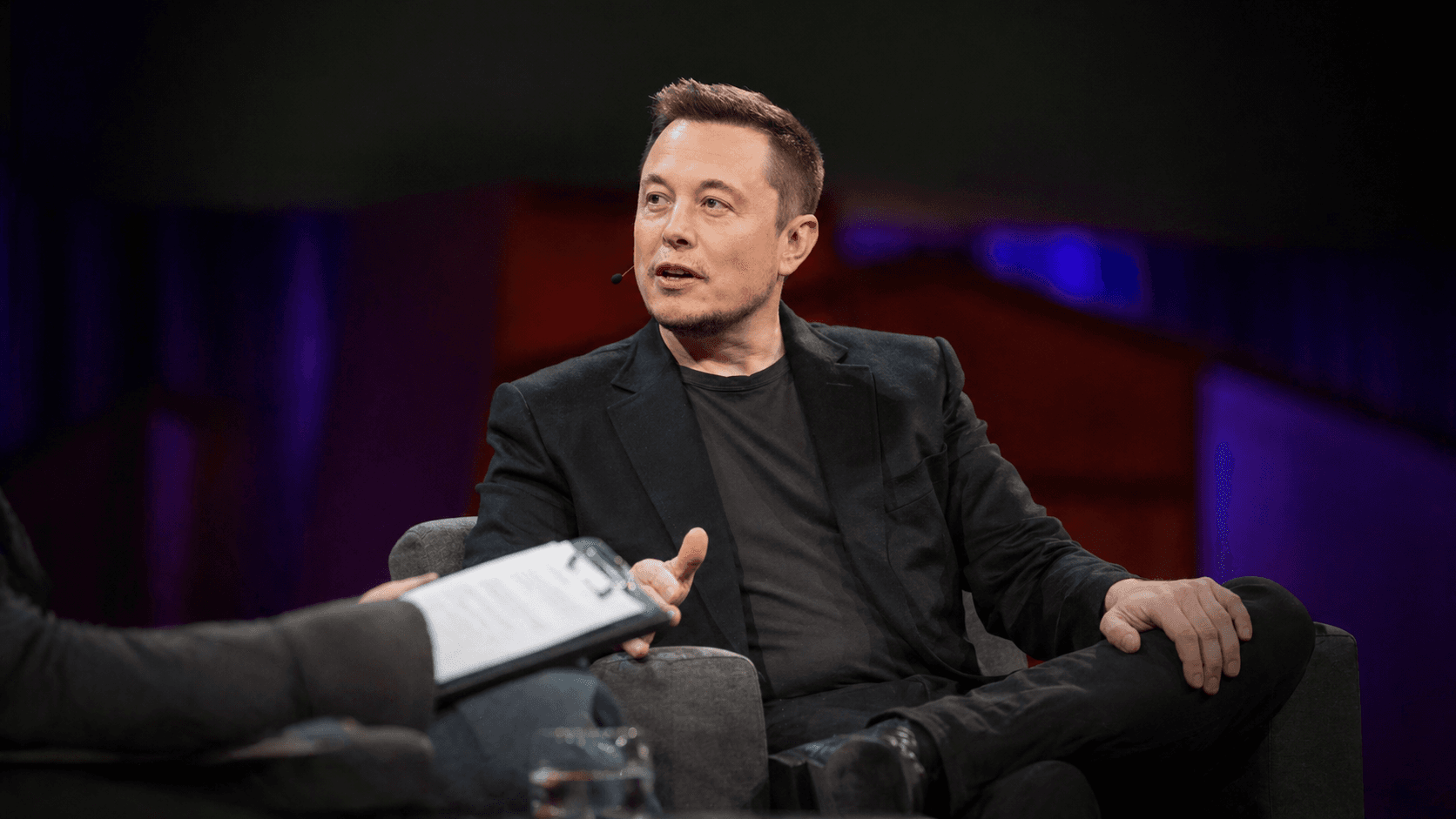
Masayoshi Son told SoftBank shareholders that Elon Musk's pitch for orbital data centers does not solve the problem AI companies actually have. Building compute in space won't cut costs, Son argued, and the timeline runs years past the window where the AI race is being decided. SoftBank has been one of the most aggressive backers of terrestrial data center buildouts, so the skepticism carries weight even if the messenger has his own book to talk.
Son's framing was blunt: the next few years matter more than the next decade. That puts him at odds with a growing chorus of founders and VCs who have warmed to the idea of putting GPUs in orbit, partly to dodge the permitting, power, and water constraints slowing data center construction on Earth.
“in the battle for AI, the next few years will be far more important than what might happen a decade or so from now.”— Masayoshi Son, SoftBank founder and CEO
The economics underneath Musk's pitch line up neatly with SpaceX's existing business. SpaceX runs roughly 80–90% of the global launch market today, a number heavily inflated by Starlink's own internal demand. Strip Starlink out, and SpaceX's share of third-party launch business sits closer to 20–30%, by Sean O'Kane's accounting on TechCrunch's Equity podcast. An orbital data center constellation, with satellites that need replacing every few years, would be a permanent new internal customer for the launch side.
Key facts
- 01SoftBank CEO Masayoshi Son said space-based data centers won't cut costs and won't arrive within the AI race window of the next few years.
- 02SpaceX holds 80–90% of the global launch market, a share that drops to roughly 20–30% without Starlink, per Sean O'Kane on Equity.
- 03Groq raised $650 million as compute-constrained AI players hunt capacity from any provider willing to lease it.
- 04Musk's orbital data center pitch would require replacing satellites every few years, guaranteeing recurring launch revenue for SpaceX.
- 05Sam Altman has also dismissed orbital data centers, though he and Musk have a long history of disputes.
SpaceX has already been monetizing the AI capacity crunch directly. The company has signed compute-leasing deals with Google and Anthropic, and recently closed its first post-IPO deal renting compute to a smaller player. That puts SpaceX in the same category as Groq, which just raised $650 million, and a list of unlikely entrants — including the bankruptcy-emergent Allbirds — pivoting into what the industry has started calling neo-clouds.
The pattern is consistent. AI demand has outrun supply of conventional cloud capacity from the hyperscalers, so anyone with chips, power, or a balance sheet is leasing compute. SpaceX adding orbital capacity to that mix is, on its own terms, a logical extension of the strategy. Whether the unit economics survive contact with launch costs, radiation hardening, and replacement cycles is the open question.
“Listen, neo-clouds are the new oil, and everybody who wants to make money is pivoting to a neo-cloud.”— Sean O'Kane, TechCrunch transportation editor
Sam Altman has also waved off the orbital data center idea, though Altman and Musk have a tangled history that makes any exchange between them hard to read as pure technical critique. Altman's own preferred future — massive terrestrial buildouts tied to OpenAI's chip plans with Broadcom — is the future that is good for OpenAI. Son's preferred future, terrestrial data centers funded by SoftBank, is the one good for SoftBank.
That is the asterisk on essentially every AI executive forecast right now. Musk predicting orbital compute is Musk predicting more SpaceX launches. Son predicting that orbital compute will arrive too late is Son defending the terrestrial buildouts SoftBank has staked its balance sheet on. The arguments can be technically sound and self-serving at the same time, and usually are.
What is genuinely new is the speed at which the orbital idea moved from fringe to fundable. A couple of years ago, pitching satellite-based data centers to a serious investor would have drawn a polite no. Now there are funded startups in the category and major capital allocators taking meetings. Son publicly asking whether any of it pencils out is the first high-profile pushback from inside the camp that would normally be writing the checks.
The harder question Son raised is about timing rather than feasibility. Even if orbital data centers eventually work, the AI infrastructure decisions being made in 2026 and 2027 — chip orders, power purchase agreements, site selection — will define which labs reach the next capability tier. A solution that ships in the 2030s solves a different problem for a different set of winners.
Son's intervention is useful because it forces the orbital pitch to defend itself on the calendar that AI companies actually operate on. If the answer is that orbital compute is a 2030s bet, then it is not a substitute for the gigawatts of terrestrial capacity the frontier labs need now — and SpaceX's near-term AI story remains the compute-leasing business it has already built. The orbital narrative is doing real work for SpaceX as a recurring launch-demand thesis, but it is not yet doing work for any AI customer trying to ship a model this year.

Working on something we should cover, or seeing a story we missed? Send leads, documents, or feedback to hello@aichatdaily.com. For sensitive tips, see our secure tips page for Signal and PGP options.
Spotted an error? Email hello@aichatdaily.com with the URL and the issue, or read our full corrections policy.