India's smartphone shipments fell 10% year-over-year in the April-June quarter, the steepest June-quarter decline in six years, as memory chips diverted to AI data centers pushed handset prices sharply higher. The drop, reported by Counterpoint Research, marks the clearest sign yet that the AI infrastructure buildout is now visibly reshaping consumer electronics in the world's second-largest smartphone market. Prices on individual models have risen between 4% and 68% depending on configuration.
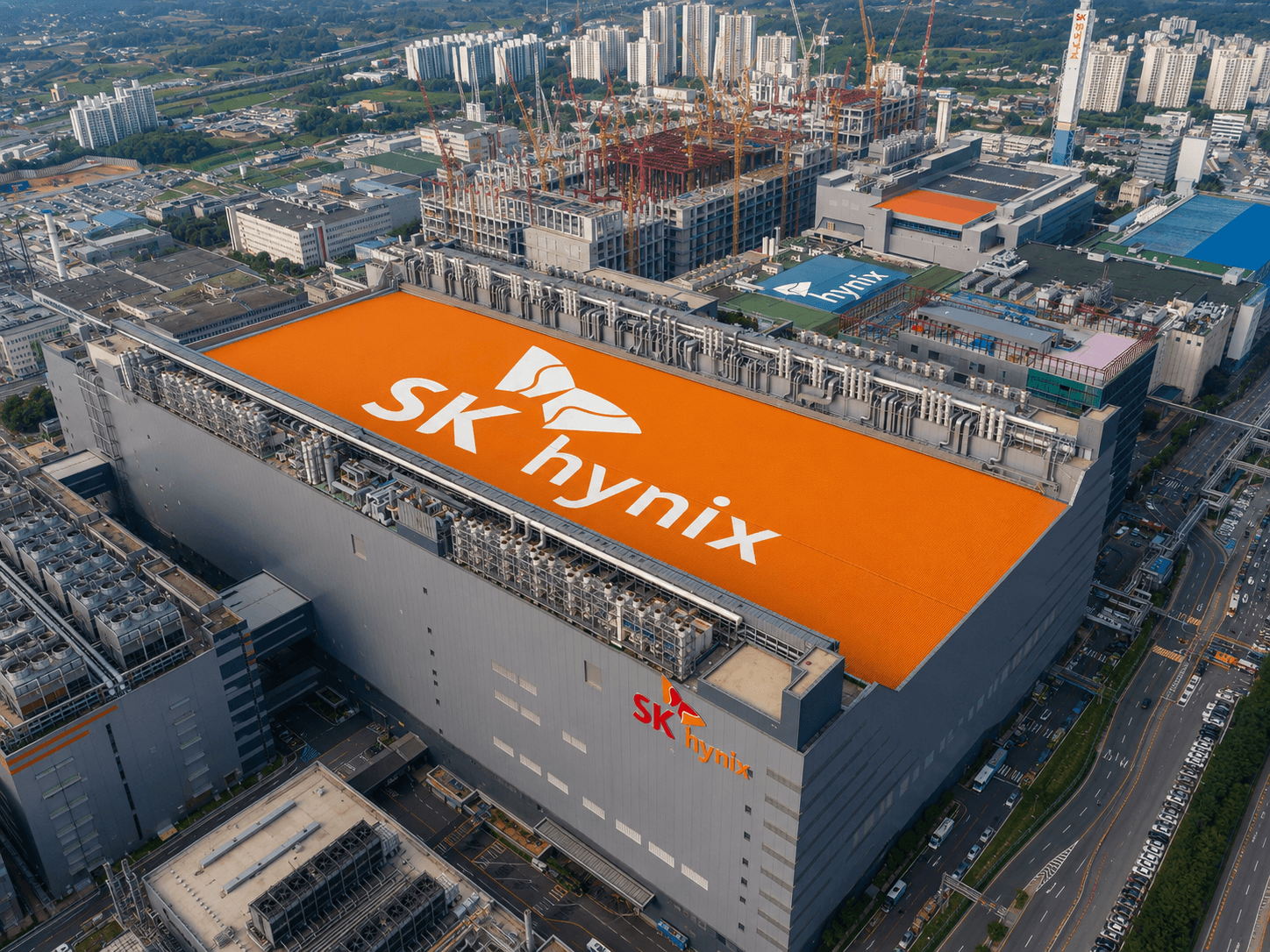
The mechanism is straightforward. Samsung, SK Hynix, and Micron have shifted capacity toward high-bandwidth memory, the specialized DRAM used in AI accelerators, because the margins per wafer are far higher than on standard mobile memory. That leaves less capacity, and higher prices, for the RAM and storage components that go into phones and laptops. The squeeze is now flowing through to shelf prices in India faster than anywhere else.
China, by comparison, saw shipments fall just 2% in Q2. India has been hit harder because its market is bottom-weighted: roughly 60% of sales sit in the sub-₹20,000 (under $210) segment, where a $20 rise in bill-of-materials cost is the difference between a sale and a delay.
“about 60% of its smartphone market is concentrated in the sub-₹20,000 (under $210) segment, where higher memory costs have had the biggest impact on prices”— Tarun Pathak, VP of Research, Counterpoint Research
Key facts
- 01India smartphone shipments fell 10% year-over-year in the April-June quarter, the steepest June-quarter decline in six years.
- 02Prices rose 4% to 68% depending on the model, and shipments in the sub-₹15,000 (under $150) segment fell 45%.
- 03Samsung was the only major brand to post growth in India in Q2, up 2%; Apple shipments fell 3% on supply constraints.
- 04Replacement cycles are stretching from about 3.5 years to roughly four years as buyers delay upgrades.
- 05IDC expects memory shortages and elevated prices to persist until at least the end of 2027.
The pain has concentrated at the entry level. Shipments in the sub-₹15,000 (under $150) segment fell 45% year-over-year, according to Counterpoint. Chinese brands, which dominate that price band, collectively saw their share drop to the lowest level for any second calendar quarter since 2020.
Premium brands have held up better. Samsung was the only major smartphone maker to post shipment growth in India in Q2, up 2% year-over-year. Apple shipments fell 3%, but Counterpoint attributes that dip largely to supply constraints and inventory shortages rather than demand softness. Financing options make higher-end devices more accessible, insulating that end of the market from sticker shock.
The economics are also forcing brands to redraw their maps. OnePlus said this week it would stop launching new products in Europe and North America while maintaining its India business. Counterpoint data shows China accounted for 74% of OnePlus's global shipments in Q1, up from 59% a year earlier, while India's share fell to 19% from 30%. The retreat to profitable markets is likely to repeat across other budget-focused brands as margins tighten.
Tarun Pathak of Counterpoint told TechCrunch that running multiple sub-brands only pencils out when each one clears a minimum volume threshold. "Sub-brands normally have overlaps and shared resources, and you need a minimum base to justify the cut-throat margins," he said. Profitability, not market presence, is now the deciding factor.
“the Indian smartphone market is shifting from volume-led growth to value growth”— Kiranjeet Kaur, Associate Research Director, IDC
IDC expects Q2 shipments in India to fall by double digits, worse than the 4.1% decline in Q1 and the 5.3% drop the previous quarter. Consumers are responding in three ways: trading up to financed premium devices, delaying upgrades, or moving to the secondhand market. Replacement cycles have stretched from about 3.5 years to roughly four years, per Counterpoint. IDC's Kiranjeet Kaur described financing as "central to affordability," and said brands and retailers are building inventory ahead of the festive season to lock in current component prices before further increases.
Kaur expects memory shortages and elevated prices to persist until at least the end of 2027, though the pace of price hikes should moderate as buyers adjust. India, home to 1.4 billion people and more than 700 million smartphone users, is compounding the memory problem with a weaker rupee that raises import costs.
“For Indian consumers, it is a double whammy as the weaker currency makes imports costlier, which has added to margin pressures for the market players, and they are passing on the cost to the consumer”— Kiranjeet Kaur, Associate Research Director, IDC
The India data is the cleanest read yet on a second-order effect of the AI capex boom: memory prioritization for HBM is a real tax on price-sensitive consumer hardware, and it lands hardest in emerging markets. For Samsung, SK Hynix, and Micron the tradeoff is easy — HBM margins dwarf commodity DRAM — but for smartphone makers dependent on volume in sub-$200 tiers, the next 18 months will separate the brands that can retreat to profitable geographies from those that cannot. Expect further consolidation among Chinese sub-brands and a continued shift in India toward fewer, pricier devices sold on installment.

Working on something we should cover, or seeing a story we missed? Send leads, documents, or feedback to hello@aichatdaily.com. For sensitive tips, see our secure tips page for Signal and PGP options.
Spotted an error? Email hello@aichatdaily.com with the URL and the issue, or read our full corrections policy.