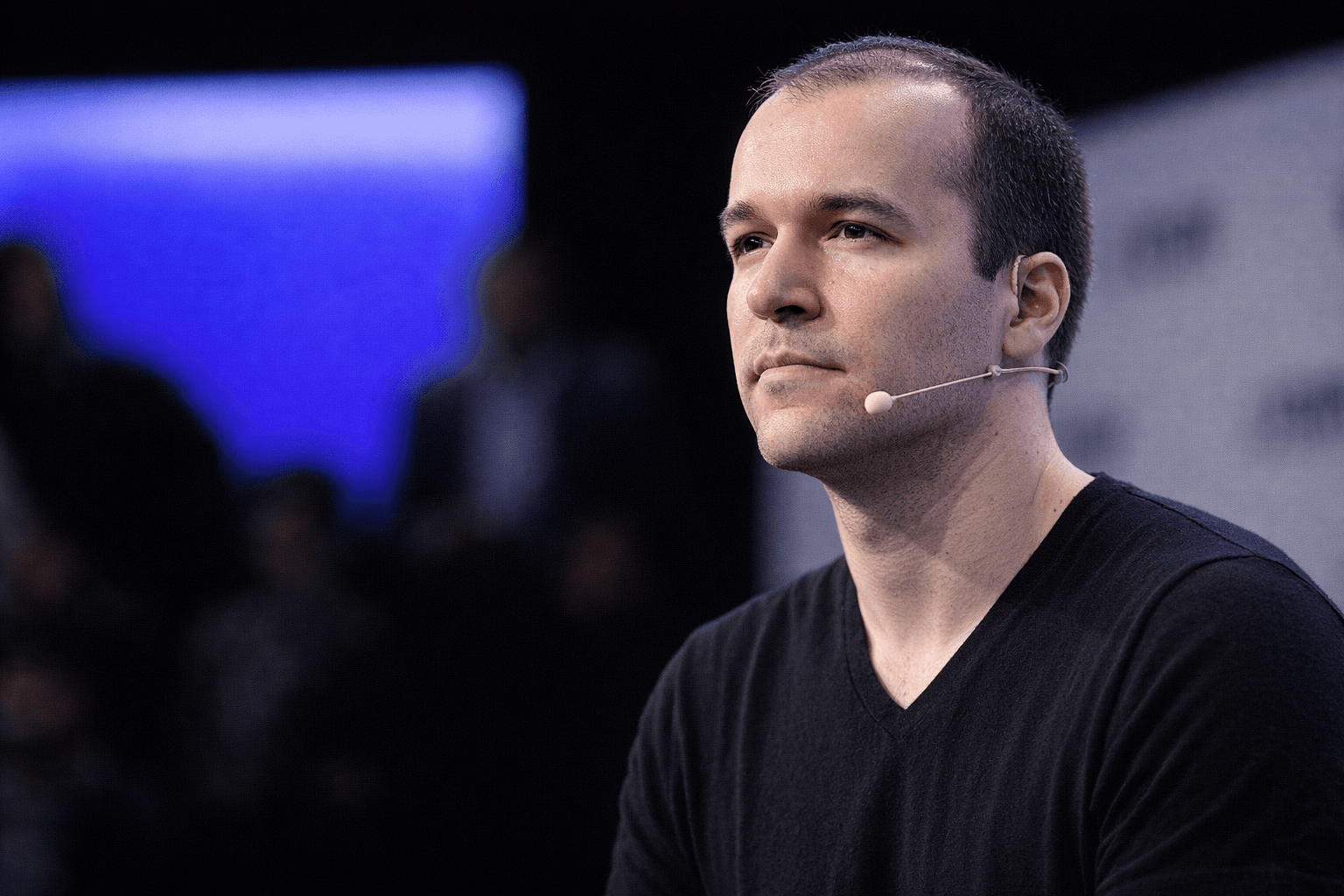
OpenAI plans to spend roughly $50 billion on compute in 2026, co-founder Greg Brockman testified under oath this week during the Musk-Altman trial in Oakland. The figure, disclosed in court and reported by CNBC reporters in the room, marks one of the most concrete public numbers yet on the scale of the company's infrastructure outlay.
Brockman also confirmed that his personal stake in OpenAI is now worth about $30 billion, a valuation that puts the co-founder among the wealthiest figures in the AI industry on paper. The testimony came during proceedings tied to the long-running legal fight between Elon Musk and Sam Altman over the direction and structure of the company they helped start.
The trajectory of OpenAI's compute spending is the more striking number. "The number was about 30 million in 2017, and now we're going to 50 billion in 2026," Jaeden Schafer said on the podcast, framing the jump as a defining feature of the current AI build-out. "It was tens of billions last year, and I think 50 this year. That is a huge jump."
Key facts
- 01Greg Brockman testified under oath that OpenAI will spend roughly $50 billion on compute in 2026, up from about $30 million in 2017.
- 02Brockman's personal stake in OpenAI is now worth about $30 billion, he confirmed during the Musk-Altman trial in Oakland.
- 03OpenAI has previously disclosed a $600 billion spend pledge through 2030, with total commitments running over a trillion dollars.
- 04Samsung crossed a $1 trillion market cap on the back of AI memory demand, with profit jumping 8x.
The 2026 figure slots into a much larger commitment OpenAI has already telegraphed to investors and partners. The company has previously disclosed a roughly $600 billion spend pledge through 2030, with total announced commitments running over a trillion dollars across data centers, chips and cloud capacity. What had been missing was a clean read on the current year's burn rate.
“The number was about 30 million in 2017, and now we're going to 50 billion in 2026.”— Jaeden Schafer
That spending does not disappear into a black box. It lands on the income statements of the chip makers, memory suppliers and contract manufacturers building out the hardware backbone behind ChatGPT and its successors. Samsung crossed a $1 trillion market cap on the same day, a move analysts attributed largely to AI memory demand, with the company posting an 8x jump in profit. Apple, separately, is in talks with US chip manufacturers as the supply chain reshuffles around AI workloads.
Schafer drew the line directly between OpenAI's bill and someone else's revenue. "OpenAI is gonna spend this $50 billion. It's going to companies like Samsung that are gobbling up that money to help them add memory into data centers," he said, pointing to the way the AI capex cycle is rippling through Asian hardware suppliers and US foundry partners.
The disclosure also sharpens the financial stakes of the Musk-Altman case itself. Musk has argued OpenAI strayed from its original nonprofit mission as it raised tens of billions and pursued for-profit structures; Brockman's testimony, by quantifying both the company's spending and his own equity, gives the court and the public a clearer picture of what that pivot has produced in dollar terms.
For the rest of the market, the numbers reset expectations on how much capital frontier AI now requires to operate, let alone grow. A jump from $30 million in compute to $50 billion in less than a decade implies a compounding hardware bill that only a handful of companies can underwrite, and a customer base concentrated enough to make Samsung's quarter and Apple's supplier negotiations move in lockstep with one lab's roadmap.

Working on something we should cover, or seeing a story we missed? Send leads, documents, or feedback to hello@aichatdaily.com. For sensitive tips, see our secure tips page for Signal and PGP options.
Spotted an error? Email hello@aichatdaily.com with the URL and the issue, or read our full corrections policy.