AMD will invest more than $10 billion across Taiwan's semiconductor and AI ecosystem to advance chip packaging and manufacturing technologies that power next-generation AI infrastructure. The company announced the commitment Thursday as its shares have doubled so far this year, driven by heavy spending on AI data centers and competition with Nvidia.
The investment focuses on partnerships with Taiwan-based companies to develop advanced chip packaging and manufacturing capabilities required for Helios, AMD's AI server system deploying in the second half of 2026. AMD is collaborating with ASE and SPIL on technologies that link chips together to improve performance efficiency.
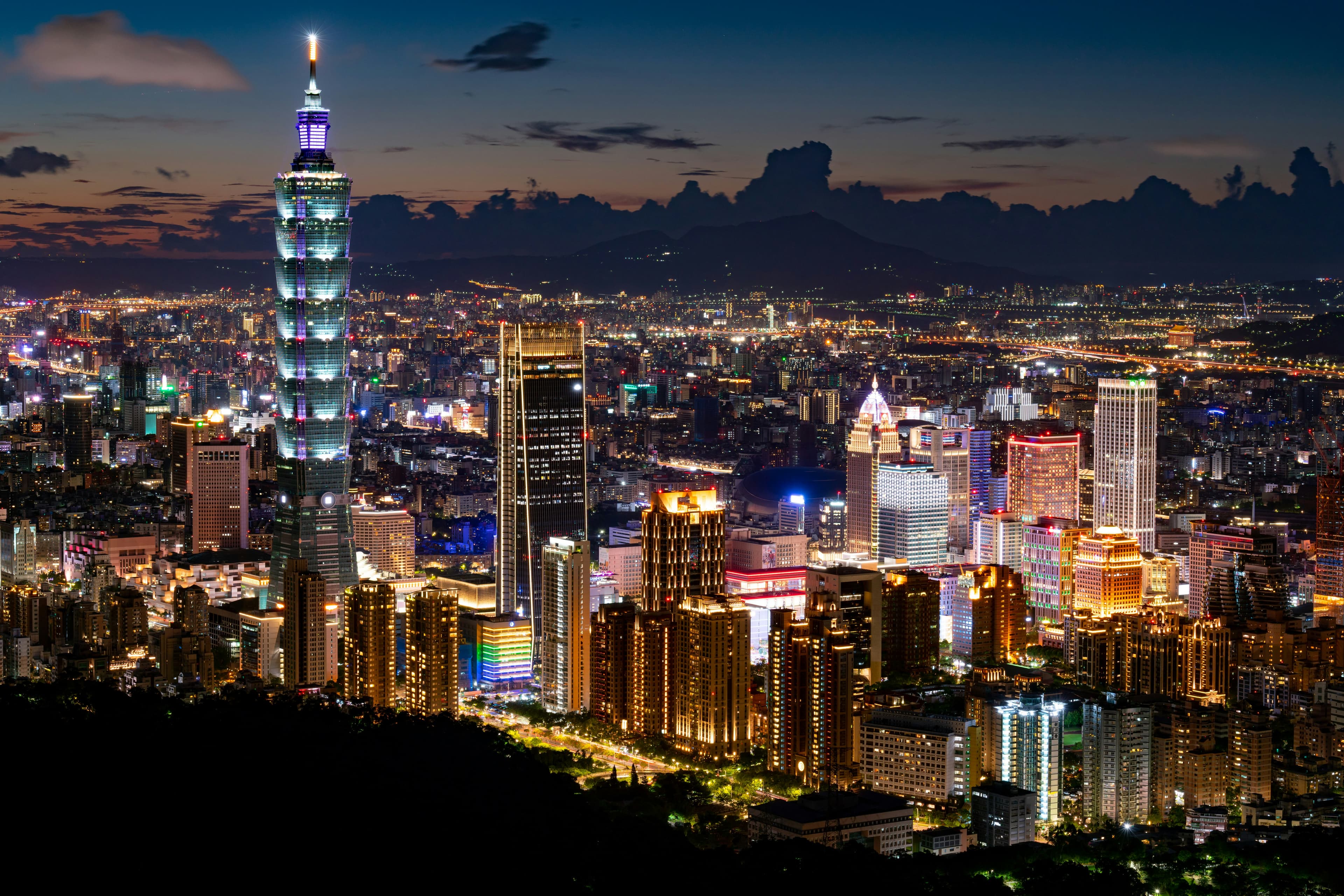
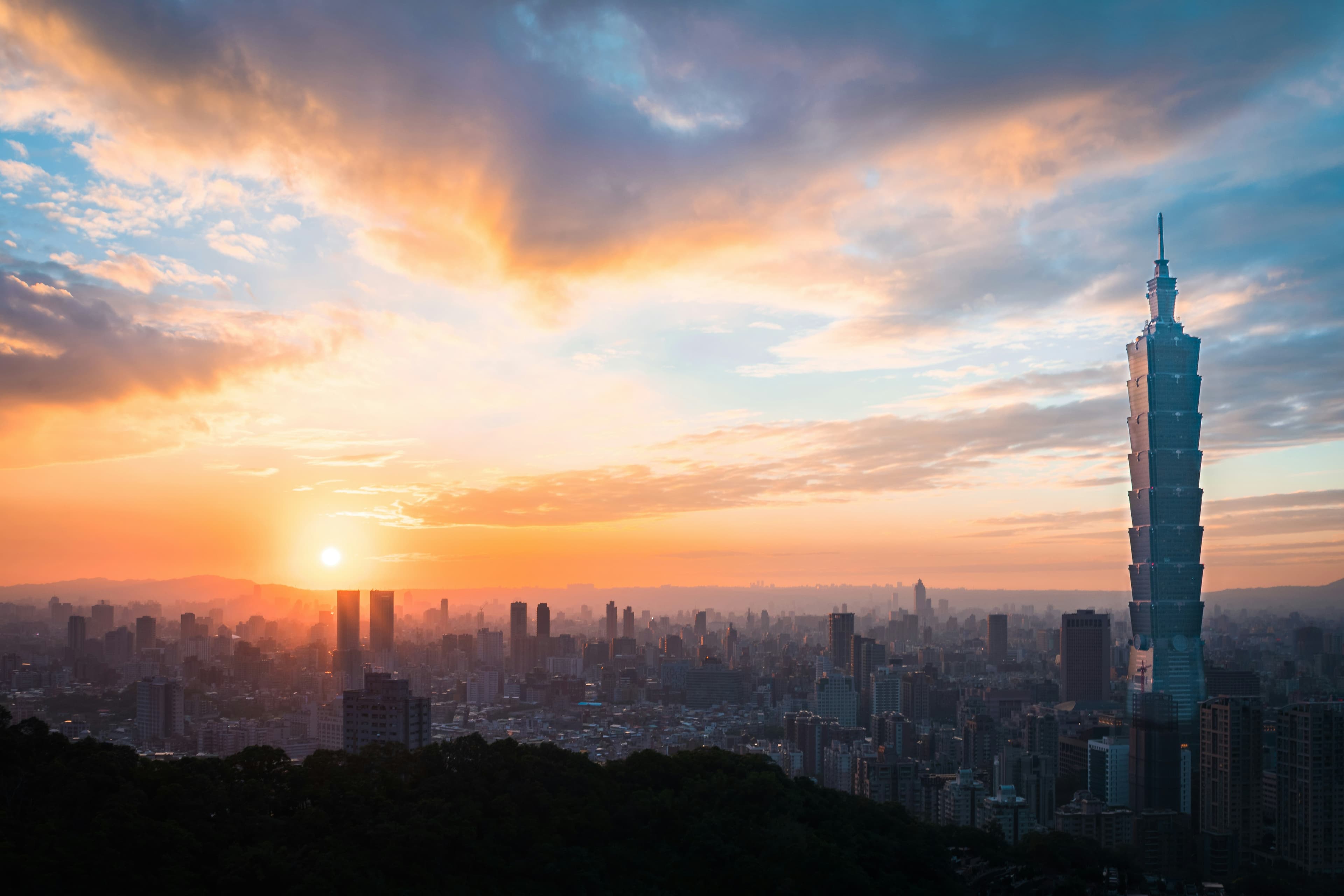
Taiwan sits at the center of the global semiconductor industry because of Taiwan Semiconductor Manufacturing Co., the world's largest chip manufacturer, which produces chips for Nvidia, Apple, and AMD itself. The $10 billion commitment deepens AMD's ties to the island's ecosystem as AI infrastructure demand accelerates.
“Agents are driving tremendous demand in the AI cycle”— Lisa Su, AMD CEO
Key facts
- 01AMD will invest over $10 billion across Taiwan's semiconductor and AI ecosystem to advance chip production and packaging technologies.
- 02AMD shares have doubled so far in 2026 as the company scales AI infrastructure competition with Nvidia.
- 03The investments support Helios, AMD's AI server system deploying in the second half of 2026.
- 04AMD is partnering with Taiwan-based ASE and SPIL on advanced chip packaging that improves performance efficiency.
- 05Taiwan Semiconductor Manufacturing Co. anchors the island's position as the center of the global semiconductor industry.
AMD has been a direct beneficiary of the AI buildout, with the company stepping up competition against Nvidia following Nvidia's $81.6B quarter last week. Lisa Su told investors at CES in January that agents are driving tremendous demand in the AI cycle, positioning AMD's roadmap around agentic workloads.
The partnerships extend beyond packaging to manufacturing partnerships with Sanmina, Wiwynn, Wistron, and Inventec, all of which are helping to build Helios. The system is designed to handle the scale and efficiency requirements of large-scale AI deployments, a market where Nvidia still commands dominant share but where AMD is closing the gap on price-performance.
“Working with strategic partners in Taiwan and globally, AMD is advancing leading-edge silicon, packaging and manufacturing technologies that enable higher performance, greater efficiency and faster deployment of AI systems”— AMD, Company statement
AMD's $10 billion commitment is one of the largest single investments in Taiwan's AI ecosystem by a US chip company and signals the company's long-term bet on the island's manufacturing capacity. The move comes as Washington continues to push for domestic chip manufacturing through subsidies, but Taiwan's manufacturing lead remains structurally difficult to replicate.
The packaging innovations AMD is developing with ASE and SPIL are designed to reduce latency and power consumption in multi-chip systems, a key bottleneck in large AI clusters. Advanced packaging technologies like chiplets allow companies to combine multiple smaller chips into a single high-performance unit, bypassing some of the physical limits of monolithic chip design.
Nvidia reported blowout earnings Wednesday, underscoring the sustained demand for AI accelerators. AMD's shares have doubled this year as the company captures a growing share of that spending, though Nvidia still holds an estimated 80% share of the AI accelerator market by revenue.
The timeline for Helios deployment in the second half of 2026 puts AMD on track to compete directly with Nvidia's next-generation Blackwell Ultra systems, which are expected to ship around the same period. AMD has not disclosed Helios pricing, but the company has historically undercut Nvidia on price while closing the performance gap incrementally.
The scale of the $10 billion investment reflects the capital intensity of advanced semiconductor manufacturing and the long lead times required to build out packaging and assembly capacity. Taiwan's semiconductor ecosystem has decades of accumulated expertise in high-volume manufacturing, making it difficult for competitors to match on cost and yield.
One risk for AMD is geopolitical — Taiwan's proximity to China and the persistent threat of cross-strait tensions create supply-chain vulnerabilities that US policymakers have flagged as a national security concern. AMD's heavy reliance on TSMC and Taiwan-based partners exposes the company to disruption if tensions escalate, though no immediate conflict is expected.
The $10 billion bet underscores AMD's conviction that the AI infrastructure cycle has years left to run and that Taiwan's manufacturing lead will persist. The company is doubling down on packaging innovation and manufacturing partnerships at a moment when AI demand is at its peak, but the sustainability of that demand beyond 2027 remains an open question as hyperscalers optimize existing deployments and software efficiency improves.

Working on something we should cover, or seeing a story we missed? Send leads, documents, or feedback to hello@aichatdaily.com. For sensitive tips, see our secure tips page for Signal and PGP options.
Spotted an error? Email hello@aichatdaily.com with the URL and the issue, or read our full corrections policy.