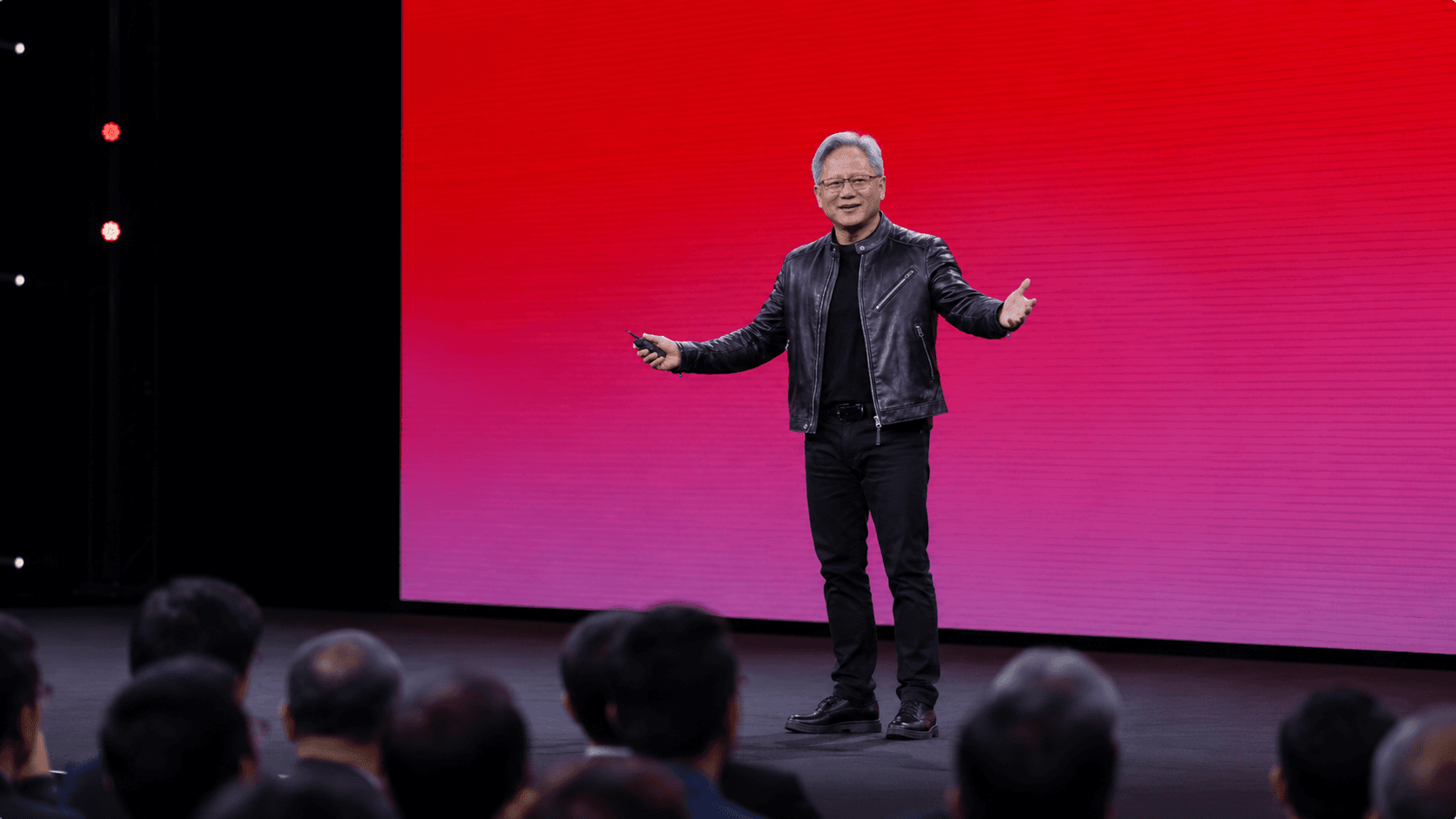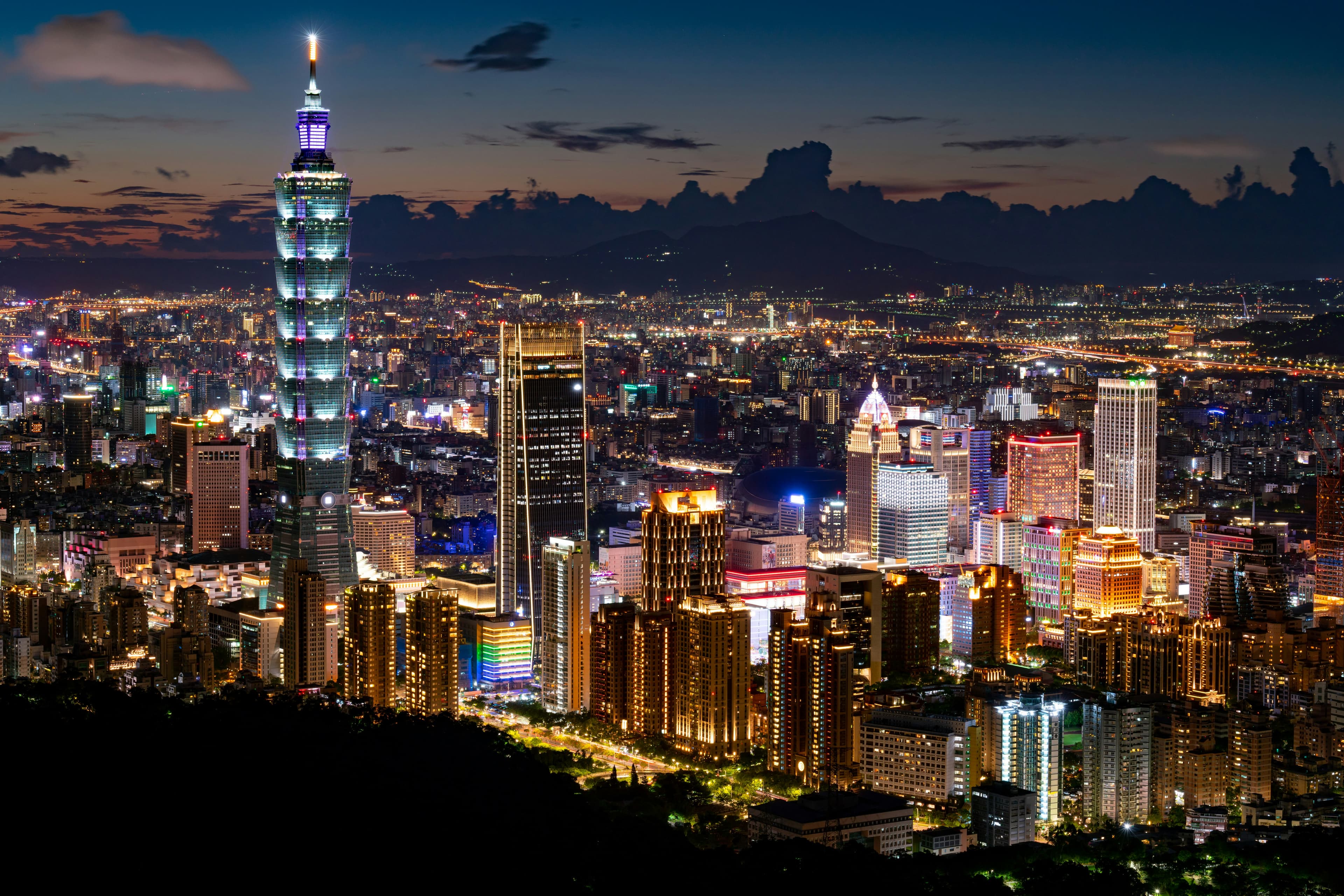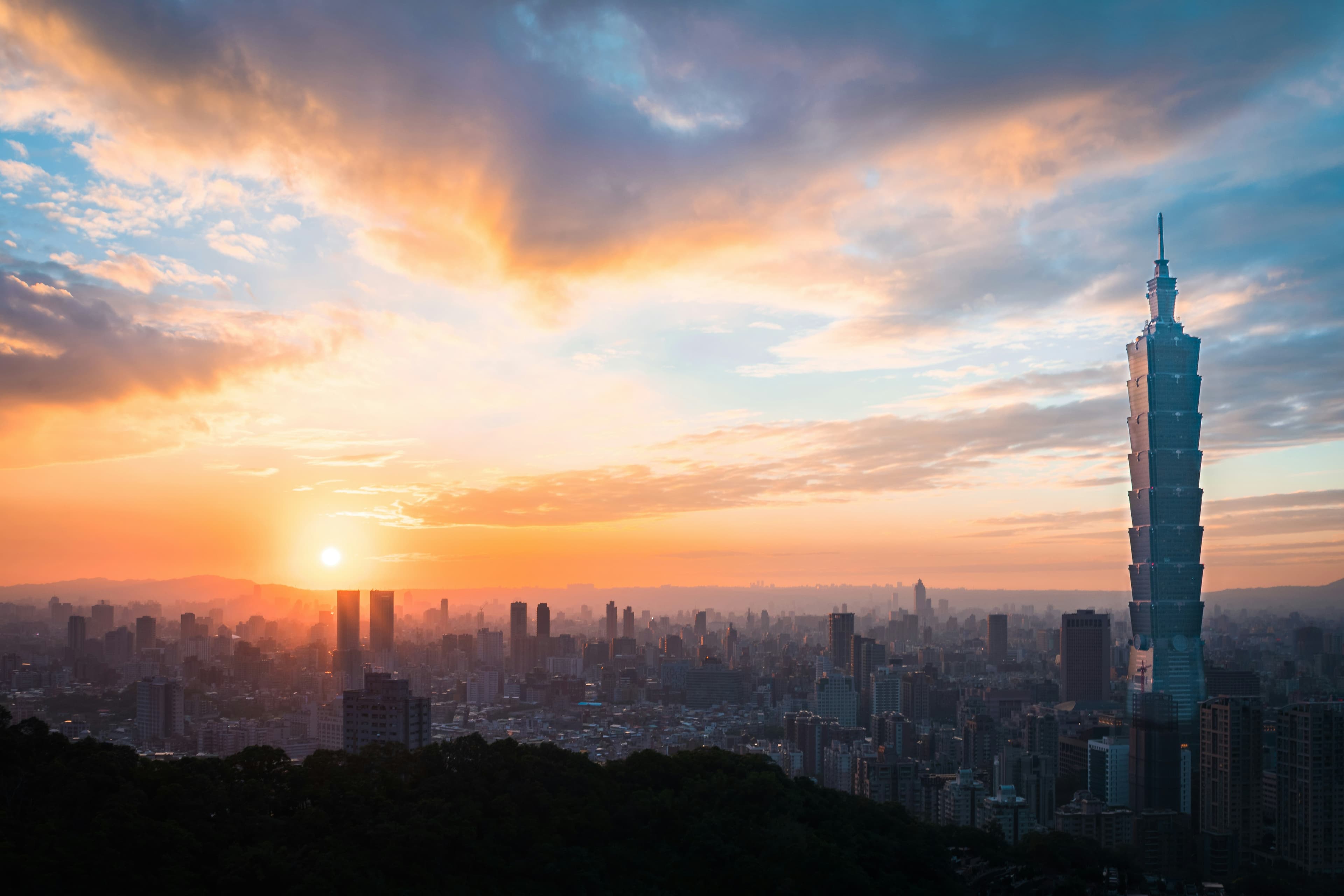
Nvidia announced Wednesday it will invest $150 billion annually in Taiwan to cement the island as the epicenter of the AI revolution, a move that directly undercuts Trump's push to make the US the dominant AI manufacturing hub. CEO Jensen Huang said the new Taiwan headquarters, operational by 2030, will deepen partnerships with TSMC and other key suppliers while leveraging advanced packaging technology not yet available at US facilities.
The investment marks a tenfold increase from Nvidia's Taiwan spend four to five years ago, when the company put $10–15 billion per year into the ecosystem. Last year that figure hit $100 billion; this year it climbs to $150 billion. Huang expects the Taiwan base to drive enough AI innovation that Nvidia will be worth even more in three to five years, building on the company's 2025 milestone as the first firm to reach a $5 trillion market capitalization.
“This is where the chips come, packaging comes, this is where the systems are made, this is where AI supercomputers were created.”— Jensen Huang, Nvidia CEO
Huang's bet on Taiwan comes as tech giants collectively plan to spend $750 billion on AI infrastructure this year, with a significant portion going toward data-center chips. Nvidia's new AI system, Vera Rubin, which Huang called a generational leap kicking off the greatest infrastructure buildout in history, faces supply-chain constraints throughout its lifespan. The Taiwan headquarters is designed to address that bottleneck by expanding Nvidia's alliance with TSMC and nearby partners like Foxconn, Wistron, and Quanta Computer.
Key facts
- 01Nvidia will invest $150 billion per year in Taiwan to build a new headquarters operational by 2030.
- 02The company spent $100 billion in Taiwan last year, up from $10–15 billion annually four to five years ago.
- 03China has refused to buy Nvidia chips under Trump's export scheme requiring a 25% fee and US routing.
- 04Trump exempted data-center semiconductors from tariffs but may impose 'significant' new levies after July.
- 05The US manufactures only 10% of the chips it requires, far below defense and commercial needs.
The scale of the Taiwan commitment raises questions about Nvidia's alignment with Trump's AI Action Plan, which prioritizes domestic manufacturing. Last April, Nvidia started producing AI chips on US soil for the first time, and Huang projected the company could produce up to $500 billion of AI infrastructure in the US over four years. But the company still relied on shipping chips to Taiwan for advanced packaging, a constraint the new headquarters aims to eliminate.
Trump has repeatedly praised Huang and consulted him on AI and tariff policy. Last year Huang paid $1 million to attend a Mar-a-Lago dinner and pledged $500 billion in US data-center investments. Shortly after, Trump halted export controls blocking some Nvidia chips from China. But the relationship has frayed as Trump's trade tactics backfire.
China has refused to buy Nvidia chips under Trump's export scheme, which requires buyers to pay a 25% fee and route all purchases through the US. Beijing apparently fears tampering, and Nvidia told investors it has largely conceded the Chinese market to Huawei. Huang told the Special Competitive Studies Project that Trump's export curbs have already largely backfired, arguing that conceding an entire market the size of China makes little strategic sense when AI demand is spiking globally.
Trump met with China's president Xi Jinping in Beijing last month, tapping Huang to attend at the last minute. But export curbs were not discussed, and Trump confirmed afterward that China plans to develop its own chips rather than buy Nvidia's. Trump claimed China already has a chip more advanced than Nvidia's H200.
“Conceding an entire market the size of China probably don't make a lot of strategic sense”— Jensen Huang, Nvidia CEO
Semiconductor tariffs remain a wild card. Trump exempted data-center chips from tariffs earlier this year but has ordered investigations into whether significant new levies are needed to protect national security. Those probes conclude in July. US trade representative Jamieson Greer said last week the administration continues to weigh tariffs to boost domestic chip manufacturing, stressing the importance of using import duties to bring production stateside. The US currently manufactures only 10% of the chips it requires, a figure Trump's proclamation called too low to meet defense and commercial needs.
Trump has sent confusing signals on Taiwan, at one point accusing the island of stealing the semiconductor industry from the US. Last October, Taiwan rejected Trump's demands to move 50% of chip production to the US. Huang's $150 billion annual commitment to Taiwan suggests he views the island's manufacturing ecosystem as irreplaceable in the near term, regardless of political pressure.
Nvidia's Taiwan play is a calculated hedge. The company needs TSMC's advanced packaging and proximity to a dense network of AI infrastructure suppliers to meet surging demand for agentic AI. Domestic US manufacturing remains years away from matching Taiwan's capabilities, and Trump's tariff threats have failed to accelerate the timeline. Huang is betting that Taiwan stays central to AI for at least the next decade, even if it costs him goodwill in Washington.

Working on something we should cover, or seeing a story we missed? Send leads, documents, or feedback to hello@aichatdaily.com. For sensitive tips, see our secure tips page for Signal and PGP options.
Spotted an error? Email hello@aichatdaily.com with the URL and the issue, or read our full corrections policy.