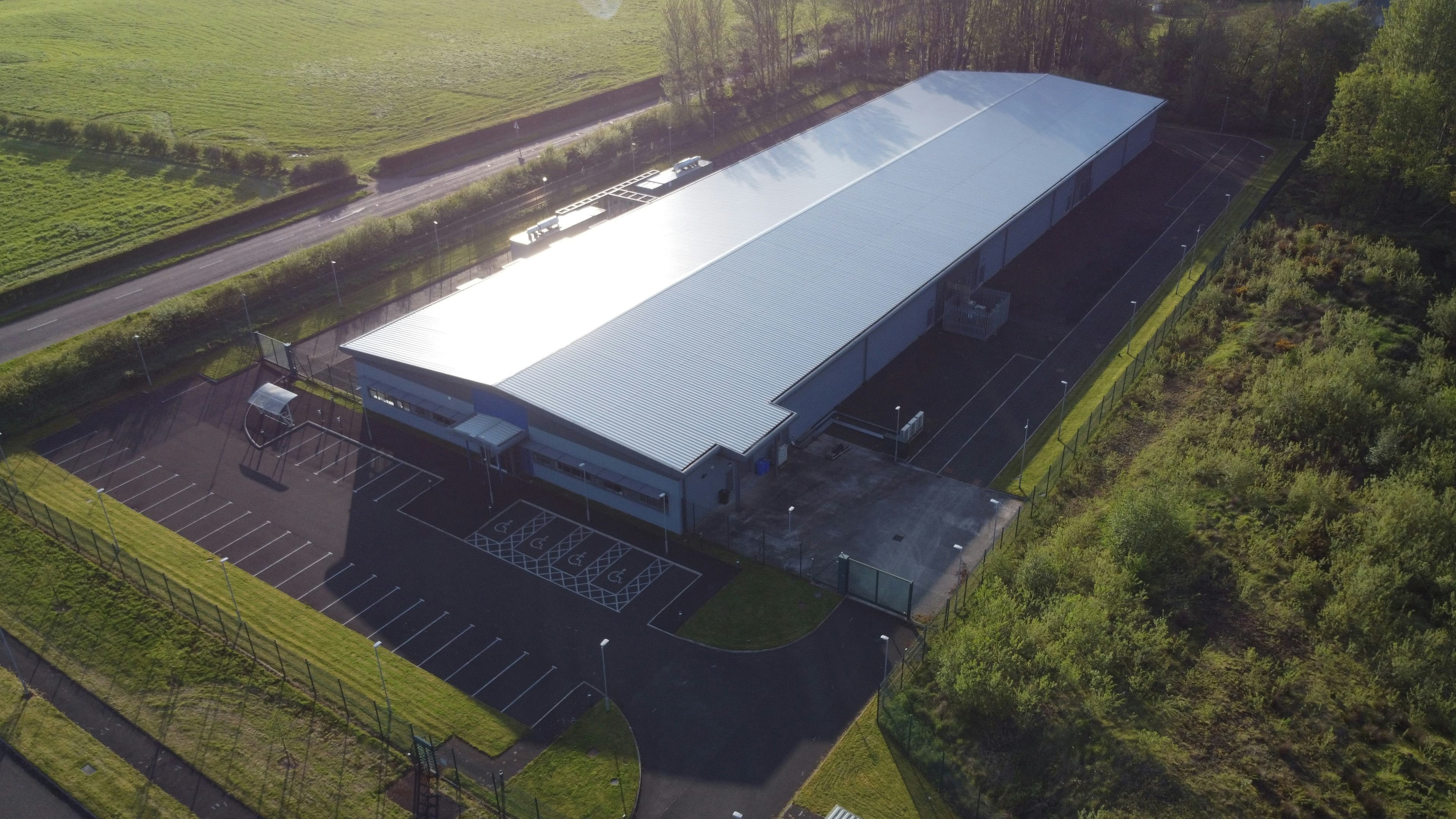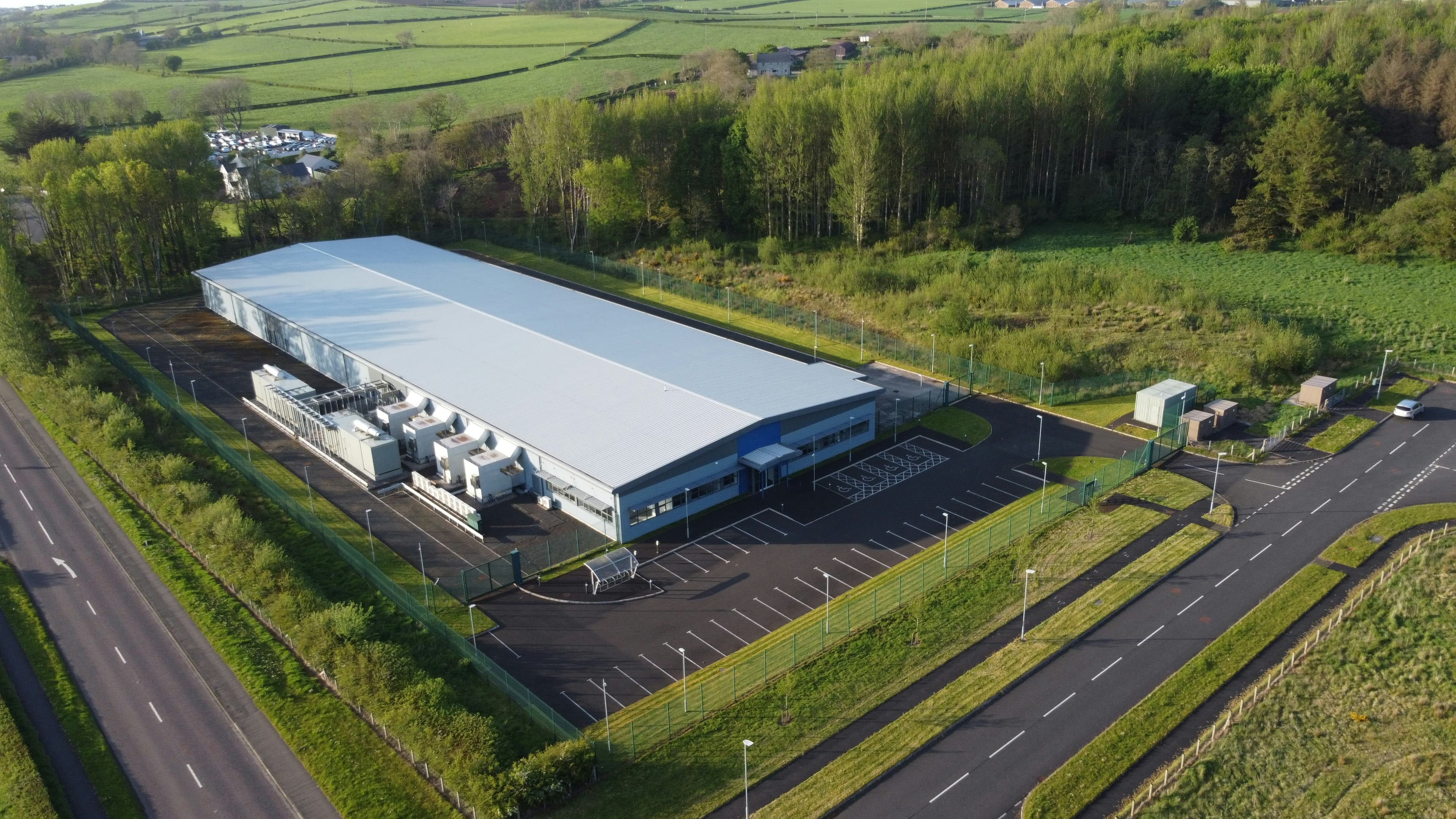
Maine Gov. Janet Mills vetoed an 18-month moratorium on large data center construction last month, clearing the way for a $550 million facility at the shuttered Androscoggin paper mill in Jay, a town of roughly 4,000 about 67 miles northwest of Portland. The moratorium, which passed the Maine House and Senate on April 14th, would have paused permits for any project drawing more than 20 megawatts. Mills cited one reason for the veto: the 125 to 150 permanent jobs the developer says the project will create.
The numbers underpinning that decision are contested. A Ball State University study published last November, covering 254 Texas counties, found that net long-term job creation from data centers was effectively zero — whatever permanent positions appeared on site were offset by employment losses elsewhere in the same sector. Pew Research Center data shows 67% of planned US data centers are headed to rural areas, and 39% to counties with none currently operating.
The Jay site has its own history. The Androscoggin mill employed 1,500 people at its peak before a pulp digester exploded in 2020 and forced a permanent closure. In 2023, JGT2 Redevelopment and a group of holding companies bought the 1.4 million-square-foot facility, stripped its machinery, and shipped the equipment to Pakistan. Developer Tony McDonald originally lined up a sale to Godfrey Forest Products, an oriented strand board manufacturer that would have employed about 150 people, before federal tariffs killed the financing.
Key facts
- 01Maine Gov. Janet Mills vetoed an 18-month moratorium on data centers consuming more than 20 megawatts, citing 125 to 150 jobs promised at a $550M facility in Jay.
- 0267% of planned US data centers are headed to rural areas, and 39% are going to counties that currently have none, per Pew Research Center.
- 03A Ball State University study of 254 Texas counties found net long-term job creation from data centers was effectively zero.
- 04More than 35 states offer incentives to attract data center developers; the national subsidy total exceeds $2M per facility.
- 05The Jay site is the former 1.4 million-square-foot Androscoggin paper mill, which employed 1,500 people before a 2020 explosion forced its closure.
McDonald then pivoted to data centers. "Most of the people that were contacting us, you know, they were all hat and no cattle," he said, describing pitches from brokers claiming hyperscaler clients they could not actually produce. He eventually struck a partnership with Sentinel Data Centers, a New York firm that builds for healthcare, financial, and hyperscale customers. Sentinel did not respond to requests for comment.
“A Ball State study of 254 Texas counties found net job creation from data centers was effectively zero, with construction crews on site for roughly three weeks before moving on.”— Jaeden Schafer
McDonald describes the planned facility as a neocloud data center built for high-performance GPU compute. By industry standards, that profile requires more than 100kW per rack and either direct-to-chip or immersion cooling — both water- and space-intensive. Maine's appeal to developers is straightforward: cool year-round temperatures, lax land-use rules, and a 54% renewable energy mix, the eighth highest in the nation.
Maine state Rep. Melanie Sachs, who chairs the House Energy, Utilities and Technology Committee and sponsored the moratorium, said McDonald did not inform the Jay Select Board of the data center plan until late February 2026, days before her bill was scheduled for a floor vote. The Select Board heard the presentation in March and voted 4-0 in support, according to the Maine Monitor. "This bill was about creating the playbook," Sachs said. "And we were told, 'Don't worry your pretty little heads about it, data centers are not coming to Maine anytime soon.' They came anyway, and without a framework in place, towns have no mechanism to evaluate the claims developers are making."
Sachs's framing of the trade-off was blunt: "Even if it's 30 jobs, that means a lot to Jay, then, okay, but you've swept away protections for 1.4 million Mainers for 30 jobs." The legislature did pass a separate law excluding data centers from some statewide business tax breaks, but it left local municipalities free to negotiate their own incentive packages — the kind of deal-making that tends to favor the better-resourced party at the table.
Michael Hicks, the Ball State economist who ran the Texas analysis, said construction activity at data centers creates a visible but temporary economic pulse. "As you drive by a data center, you see people working on it. You see construction workers. The hotels locally are packed. But there's no net pulse of that. A lot of these workers are there for three weeks to do their part of it, and then they're gone," he said. "The real question is whether there are permanent jobs associated with data centers, and in Texas, the answer is no." Hicks chose Texas because its isolated grid and mix of metros, tech hubs, and remote towns approximate the rest of the country.
Anthony Elmo at Good Jobs First, a nonprofit tracking corporate subsidies, said rural municipalities are routinely outmatched in negotiations with developers. "They don't have the resources to negotiate. They don't know what to ask for. They don't have the legal expertise, and they don't feel like they have the leverage, which I think is part of the issue." More than 35 states currently offer data center incentives, and the average national subsidy exceeds $2 million per facility.
There is a counterweight worth naming. Construction phases do produce real, if short-lived, demand for hotels, food service, and trades. Property tax revenue, once a facility is online, can be meaningful for towns with eroded industrial bases — and Jay is exactly that. Whether the long-run revenue justifies the power, water, and zoning concessions is a question towns rarely have the data to answer at the moment of decision, which is the gap Sachs's moratorium was designed to close.
The Jay story matters because it is the template. AI infrastructure buildout is moving fast into places without the legal staff or comparable deals to benchmark against, and the headline number developers lead with — permanent jobs — is the one independent research is most consistently failing to confirm. For hyperscalers and neocloud operators, that asymmetry is a feature: siting decisions get made on local job projections that the academic record suggests will not materialize. Expect more state-level moratorium fights in 2026, and expect most of them to break the same way Maine's did, until a state legislature manages to override a veto or until one of these facilities delivers — or fails to deliver — its promised payroll in public view.

Working on something we should cover, or seeing a story we missed? Send leads, documents, or feedback to hello@aichatdaily.com. For sensitive tips, see our secure tips page for Signal and PGP options.
Spotted an error? Email hello@aichatdaily.com with the URL and the issue, or read our full corrections policy.