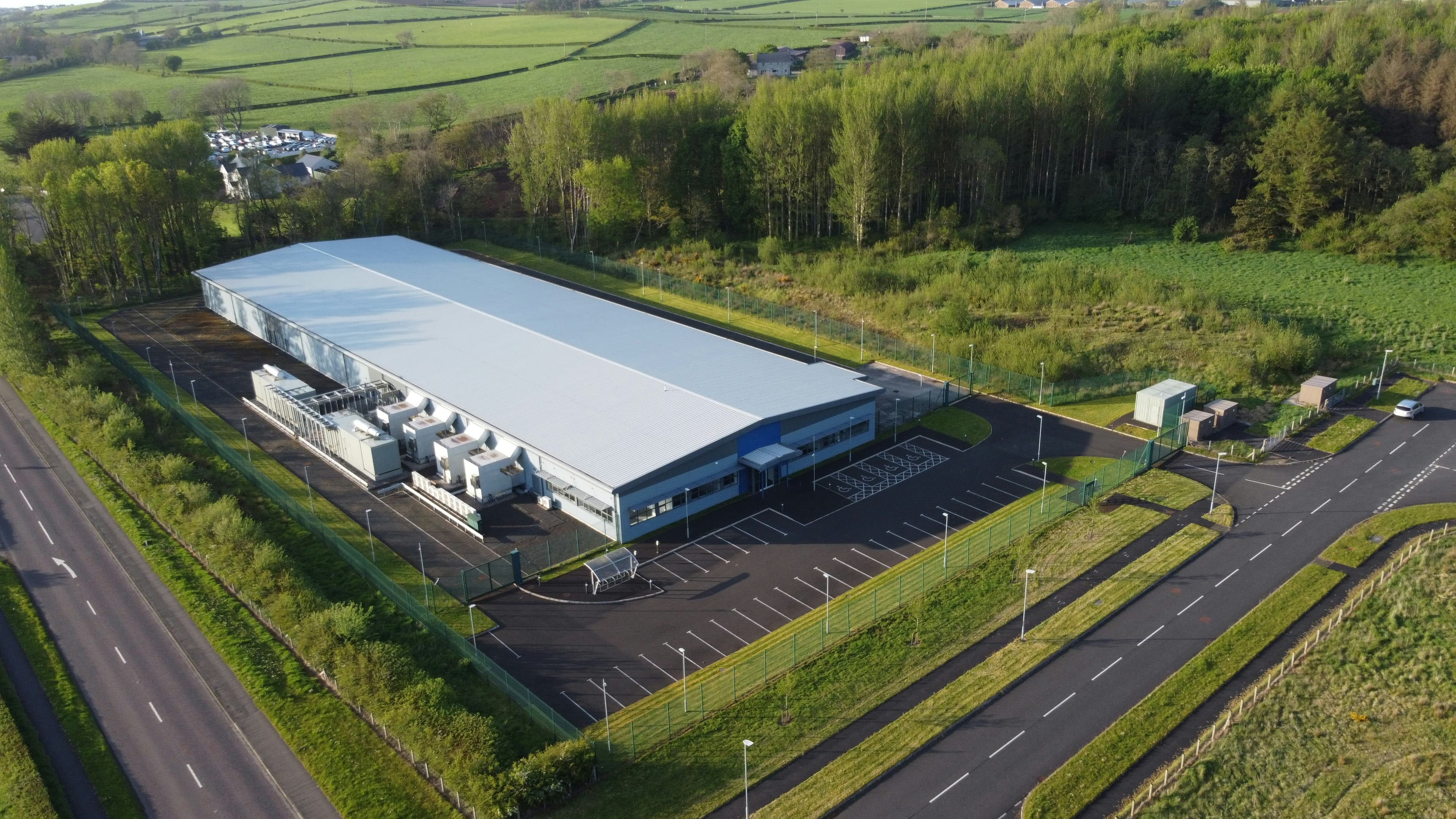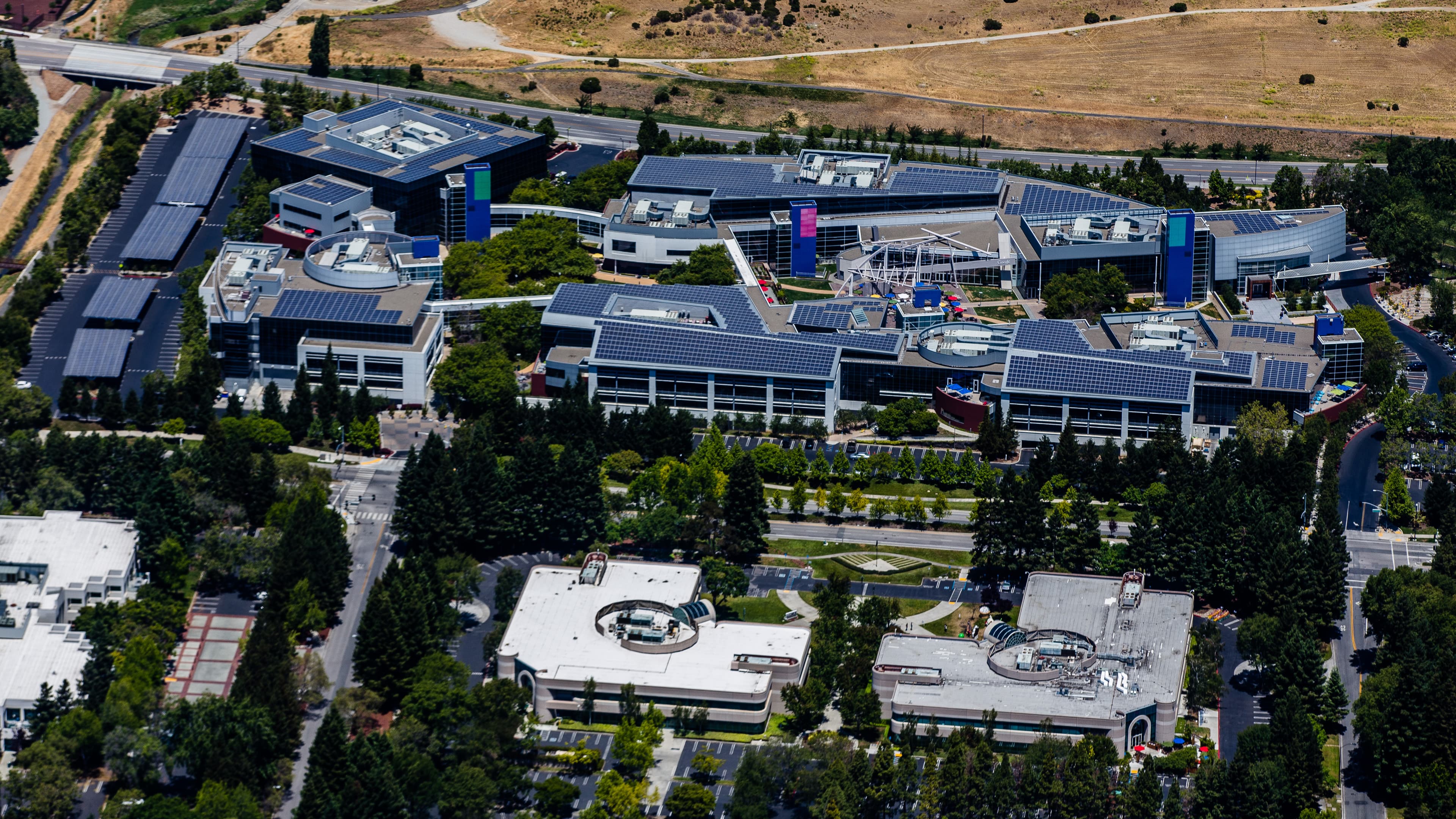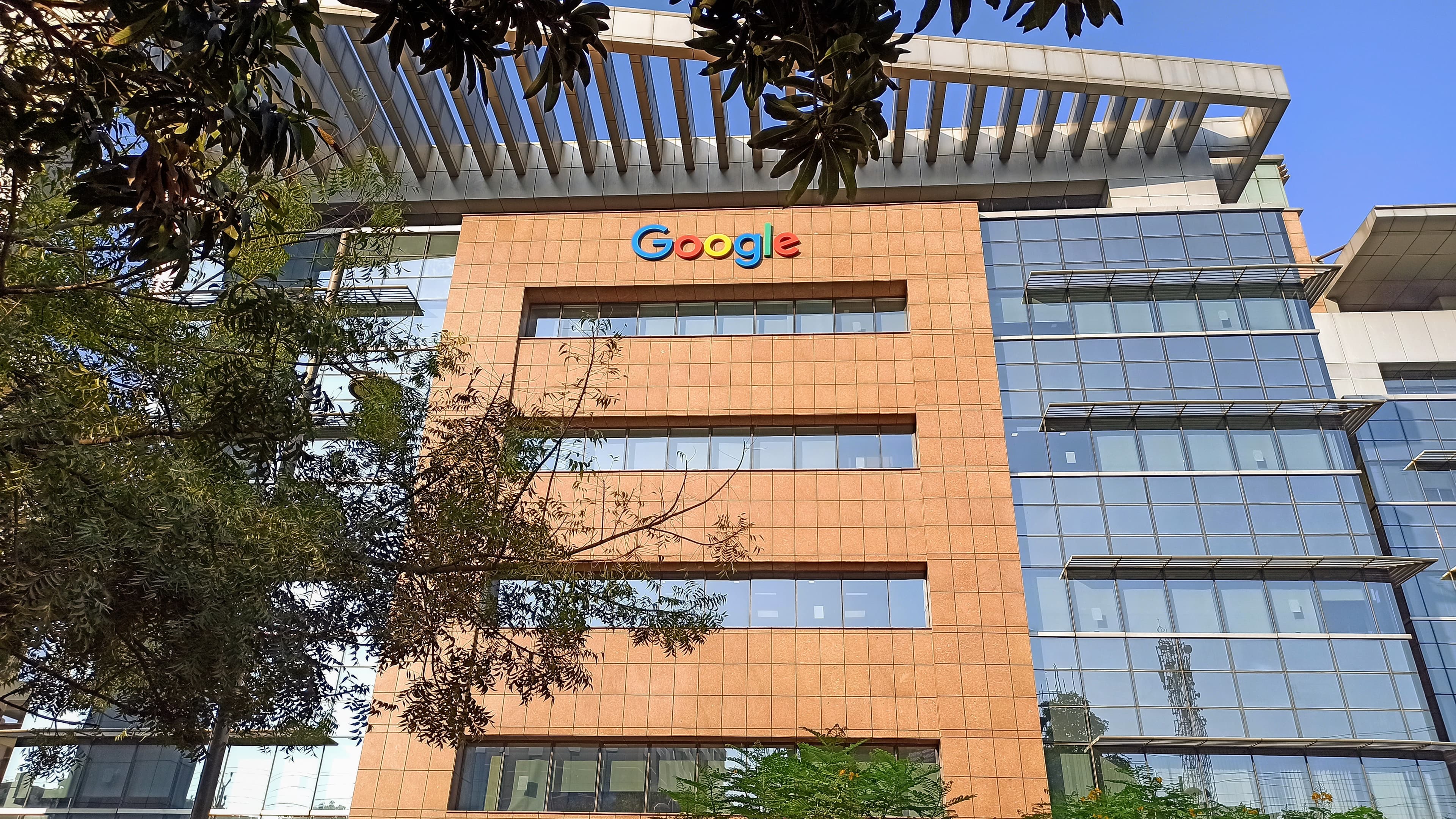
Google is moving ahead with a $15 billion data center campus in Visakhapatnam, on India's southeastern coast, and running into local objections over water use and wildlife impact before ground is broken. The project is the company's largest single infrastructure commitment in India to date and one of the biggest hyperscaler bets ever announced in the country.
The Visakhapatnam site sits in Andhra Pradesh, a state that has aggressively courted data center investment with land and power incentives. Google's $15 billion figure covers a multi-year buildout intended to serve both domestic cloud demand and AI training and inference workloads for the broader region.
The pushback tracks a pattern now familiar across every major AI infrastructure buildout. Residents and environmental groups near the site have raised concerns about the freshwater draw a facility of that scale would require, and about proximity to coastal wildlife habitat that supports migratory species and local fisheries. Neither Google nor the state government has published a detailed cooling design or water-sourcing plan for the campus.
Key facts
- 01Google committed $15 billion to a new data center campus in Visakhapatnam, India, its largest infrastructure investment in the country.
- 02Local objections center on water draw and impact on nearby wildlife habitat around the coastal Andhra Pradesh site.
- 03The project extends a wave of hyperscaler buildouts in India as AI workloads push global capacity demand higher.
Cooling architecture is the load-bearing question. Modern hyperscaler builds increasingly use closed-loop liquid cooling or air-cooled designs that dramatically reduce net water consumption compared with older open-loop evaporative systems. Google has publicly committed to water-positive operations across its global fleet by 2030, and the Visakhapatnam campus will be measured against that target. Until the company releases site-specific figures, the water debate is being fought on assumptions.
The wildlife objection is more site-specific. Andhra Pradesh's coastline includes protected zones and ecologically sensitive stretches, and any large industrial footprint requires environmental clearance from state and central authorities. Local groups are pressing for the review process to include independent habitat assessment before construction permits are granted. The state government has not yet indicated whether the timeline will slip.
India has emerged as one of the most contested markets for AI infrastructure. Microsoft, Amazon Web Services, and Meta have all announced multi-billion-dollar buildouts in the country over the past 18 months, drawn by cheaper land, a large engineering labor pool, and government incentives tied to sovereign data residency. Google's $15 billion commitment is the largest single figure disclosed in that wave.
For Google specifically, the Visakhapatnam campus fits a broader capacity story. The company has been racing to keep pace with training demand for its Gemini model family and inference demand for products including Search, Workspace, and the Gemini app, which recently crossed 950 million monthly users. New capacity in South Asia lets Google serve Indian and Southeast Asian users with lower latency and, if paired with local renewables, potentially lower marginal energy cost per query.
The regulatory environment cuts both ways. India's central government has signaled it wants to be a global hub for AI compute, and Andhra Pradesh has offered incentive packages including subsidized power tariffs and expedited land allocation. But environmental clearance in India is a slower, more contested process than in the United States, and local litigation has delayed comparable industrial projects for years in the past.
The counterweight case is real. A $15 billion project of this scale brings construction jobs, longer-term operational employment, tax revenue, and downstream demand for local power and networking infrastructure. State officials have argued the campus will anchor Visakhapatnam as a regional tech hub. Whether those benefits materialize on the promised timeline depends on how quickly Google and the state can resolve the environmental questions residents are now raising.
The Visakhapatnam fight is a preview of the constraint that will define the next phase of AI infrastructure competition. Capital is not the bottleneck — Google, Microsoft, Amazon, and Meta can all write $15 billion checks. Power, water, and local consent are the bottleneck, and the companies that move fastest on transparent siting, closed-loop cooling, and credible community engagement will get their capacity online first. The ones that treat objections as noise will spend years in court instead of years in production.

Working on something we should cover, or seeing a story we missed? Send leads, documents, or feedback to hello@aichatdaily.com. For sensitive tips, see our secure tips page for Signal and PGP options.
Spotted an error? Email hello@aichatdaily.com with the URL and the issue, or read our full corrections policy.