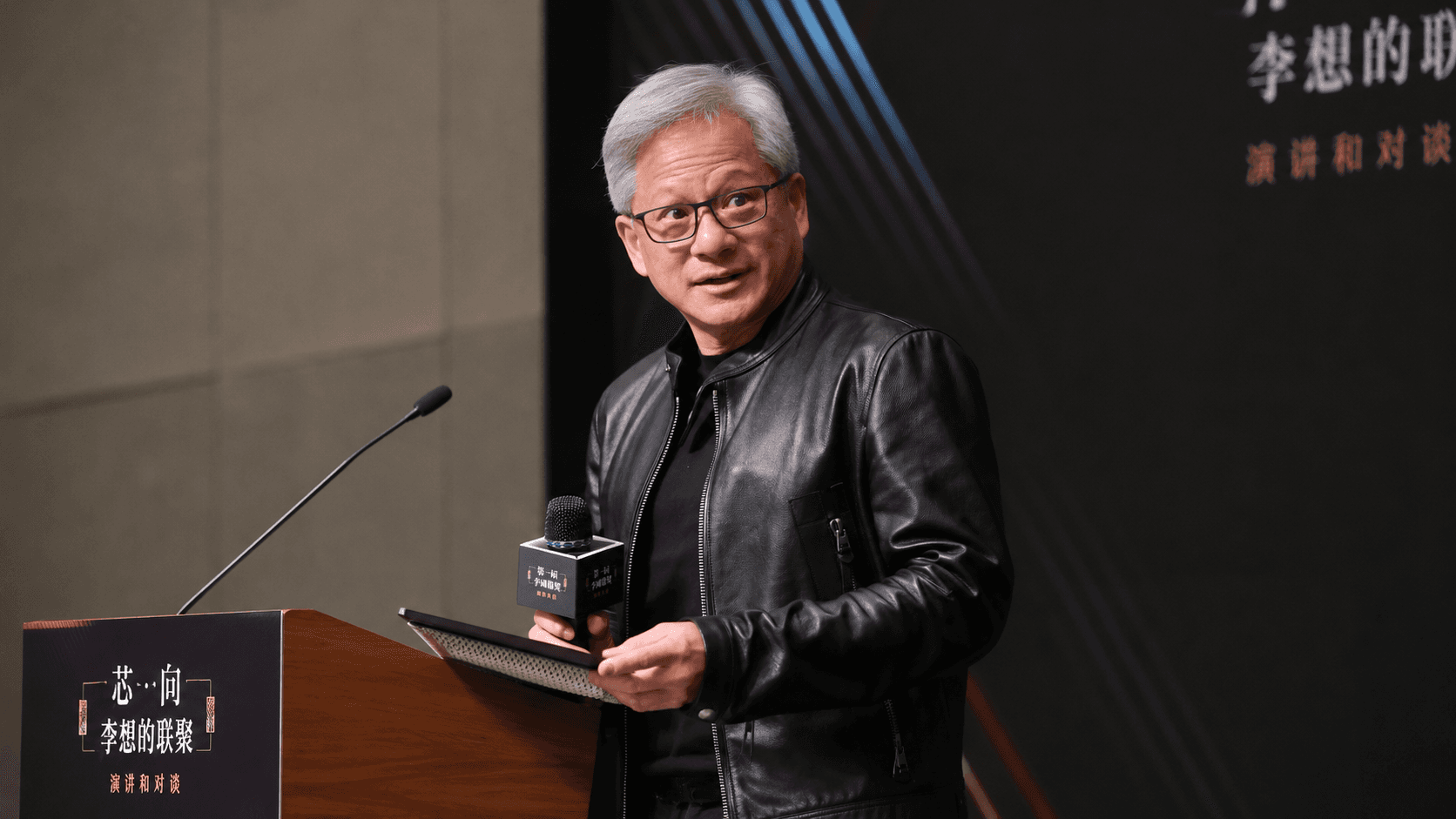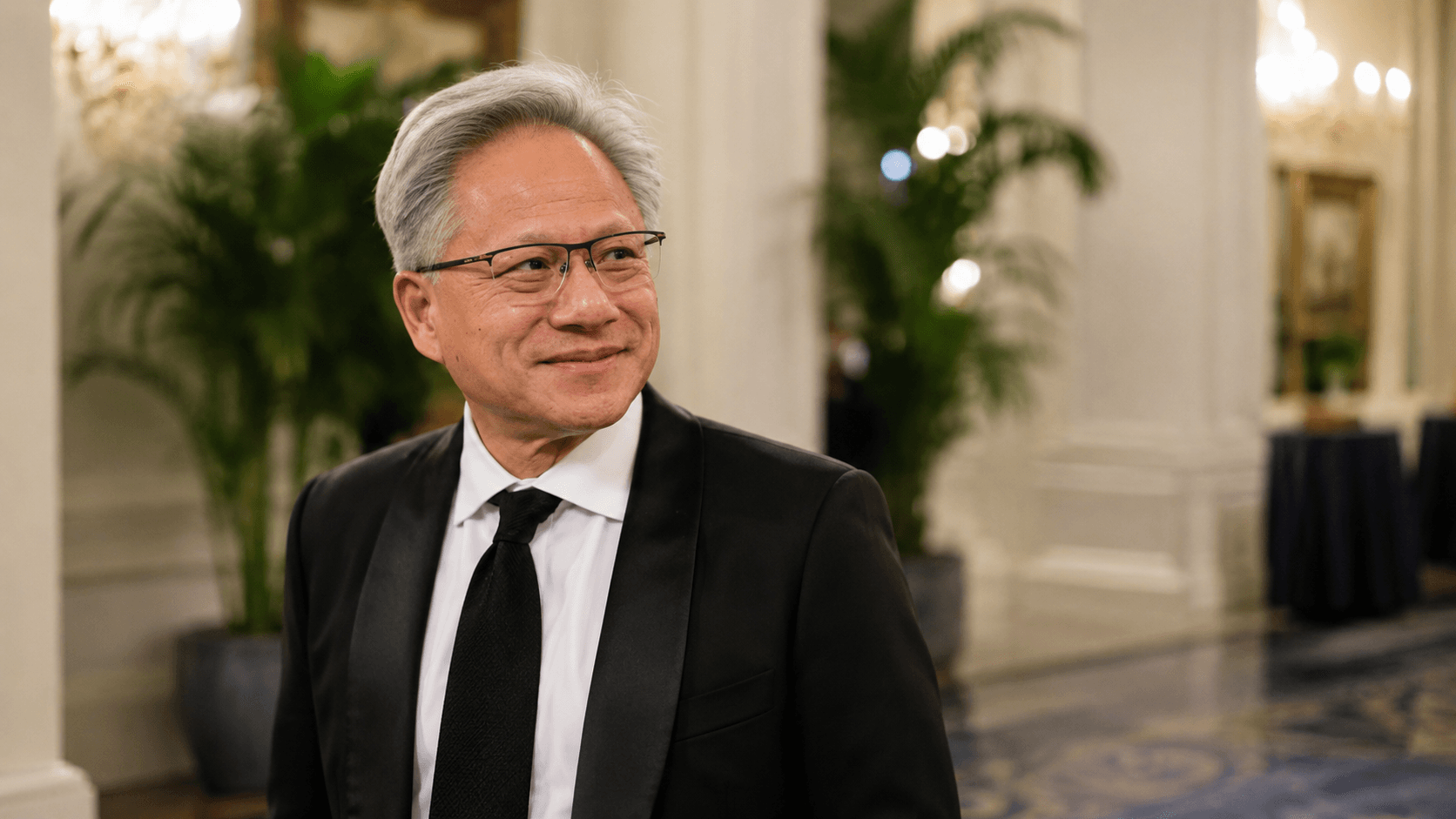
Nvidia CEO Jensen Huang said robotics is South Korea's next big sector during his visit to Seoul, telling reporters to expect what he called "some surprises" tied to Korea's industrial base. The comments came as Huang made the rounds with Korean conglomerates, framing the country's manufacturing depth as the natural launchpad for physical AI.
Huang did not name specific products or partners, but the framing was deliberate. Korea is already the world's largest exporter of industrial robots per capita, and Hyundai owns Boston Dynamics outright. Pitching robotics as Korea's next national specialty puts Nvidia's compute stack — Jetson, Isaac, GR00T — at the center of any Seoul-led industrial push.
The Seoul trip follows Huang's arrival earlier this week to firm up Korea's role in Nvidia's AI supply chain, which AI Chat Daily covered separately. That visit centered on memory: Samsung and SK Hynix together supply most of the high-bandwidth memory stacked on Nvidia's data-center GPUs. The robotics remark expands the narrative from chips into finished systems.
Key facts
- 01Jensen Huang told reporters in Seoul that robotics is South Korea's next big sector.
- 02Huang hinted at 'some surprises' tied to robotics announcements during the Seoul trip.
- 03The remarks follow Huang's arrival in Seoul to lock in Nvidia's Korean AI supply chain partners.
- 04Korea's chaebol manufacturing base — Samsung, Hyundai, LG — anchors Nvidia's pitch for physical AI.
Korea's chaebol structure makes the pitch unusually clean. Samsung makes the memory, Hyundai makes the cars and the humanoids, LG makes the appliances and the displays, and Korean shipbuilders dominate automated yards. Each is a potential Nvidia customer for both training compute and on-robot inference silicon. Huang's job in Seoul is to make sure every one of them standardizes on Nvidia's stack before competitors get a foothold.
The teaser of "surprises" is the part the market will watch. Nvidia has used these Asia trips before to surface partnerships timed to a CEO visit — joint development deals, co-located labs, named pilot deployments. Huang's choice of robotics as the framing word, rather than memory or data centers, suggests the announcements queued up for Seoul lean toward physical systems rather than pure infrastructure.
Korea's government has also been pushing robotics as a strategic sector, with subsidies for service-robot deployment and a national humanoid roadmap published earlier this year. That gives Huang a receptive policy audience and gives Korean firms a reason to brand new robotics programs as national priorities rather than corporate side bets.
The competitive frame matters. Japan has long owned the industrial-robot conversation through Fanuc and Yaskawa, and China is flooding the humanoid market with low-cost entrants from Unitree, Xpeng, and Unitree spinouts. Korea's pitch — premium hardware, deep manufacturing IP, Western-aligned supply chains — slots neatly alongside Nvidia's preferred go-to-market for high-end physical AI. Huang naming Korea as the next robotics hub is, in effect, picking a side in that three-way race.
What's still unclear is how much of the robotics activity in Korea will run on Nvidia silicon end to end versus being trained on Nvidia and deployed on cheaper inference chips. Samsung is developing its own AI accelerators, and Hyundai's Boston Dynamics has historically been agnostic on compute. Huang's surprises, when they land, will be judged on whether they include exclusivity or just cooperation.
Huang's Seoul script — memory partners, then robotics partners — reads as Nvidia methodically claiming each layer of the physical-AI stack before the market locks in alternatives. Korea is a useful proof point because its manufacturing base is large enough to matter and concentrated enough to move fast. If the surprises Huang teased turn into named deployments with Hyundai or Samsung, Nvidia walks out of Seoul having extended its data-center monopoly into the factory floor.

Working on something we should cover, or seeing a story we missed? Send leads, documents, or feedback to hello@aichatdaily.com. For sensitive tips, see our secure tips page for Signal and PGP options.
Spotted an error? Email hello@aichatdaily.com with the URL and the issue, or read our full corrections policy.